
Quick answer: The best promotional items are ones people keep and use where others can see them: T-shirts and hoodies, insulated drinkware, tote bags, pens and notebooks, and useful tech such as wireless chargers. Pick by audience and goal: low-cost pens and totes for high-volume events, mid-range drinkware and apparel for customers and employees, and premium gifts for key clients.
Below: how to choose the right item, the main item types, ways to maximize exposure, how to measure results and current trends.
Table of contents
Understanding Promotional Items
When selecting promotional items for your marketing efforts, consider the following:
- Audience Insight: Tailor your choices to reflect the preferences and needs of your target demographic. Items that resonate with your audience’s lifestyle and interests will have a greater impact. For instance, understanding your audience is key in selecting the most effective promotional items.
- Practicality: Choose items that are useful in everyday life. The more your promotional product is used, the more exposure your brand receives.
- Quality over Quantity: Prioritize the quality of the promotional items. High-quality items reflect positively on your brand’s image and can increase the item’s longevity and, by extension, your brand’s visibility.
- Brand Alignment: Ensure the products align with your brand values and message. If you’re promoting eco-friendliness, consider eco-friendly products.
- Cost-Effectiveness: Work within your budget but don’t compromise too much on quality. An affordable item need not be cheaply made.
Here’s a brief list of popular promotional items and their potential effectiveness based on general trends:
| Item | Effectiveness |
|---|---|
| Tote Bags | High |
| Tech Accessories | Moderate to High |
| Water Bottles | High |
| T-Shirts | Very High |
| Notepads | Moderate |
Remember, promotional items are not just gifts; they’re also tools for increasing brand awareness and loyalty. The right promotional product can turn a potential customer into a brand ambassador.
Selecting the Right Promotional Item
Choosing the right promotional item is crucial—it ensures the alignment of your brand’s message with the interests and needs of your target audience while considering practicality and budget.
Target Audience Analysis
To make an informed decision, you need to thoroughly understand your target audience. Consider demographics, interests, and what they value most. This understanding should guide your selection process, ensuring that the promotional product resonates and is meaningful to your audience. For example, tech accessories might appeal to a younger, tech-savvy crowd, while eco-friendly items might be favored by environmentally conscious consumers.
Branding Consistency
Ensure that the promotional items you choose are a reflection of your brand identity. Your logo, brand colors, and messaging should be well-represented to heighten brand recognition. Consistency is key; a mismatch between your branding and the items you give out can lead to confusion or a diluted brand image.
Budget Considerations
Set a clear budget and stick to it. The cost per item should be balanced with the expected return on investment (ROI), which is often measured in terms of brand exposure or customer loyalty. A comprehensive budget plan will help you avoid overspending while still achieving your marketing goals.
Practicality and Usefulness
Select items that are practical and provide value to the recipient. A useful product is more likely to be used frequently, increasing brand visibility. For instance, a branded umbrella might be more practical than a decorative item, as it serves an immediate purpose for the user.
Item Quality and Durability
Focus on quality and longevity; a well-made product reflects positively on your brand and is likely to last longer, providing ongoing promotion. Conversely, cheaply made items may break easily and can negatively impact your brand’s reputation. Prioritizing quality over quantity can lead to a better long-term investment in your branding efforts.
Types of Promotional Items
When choosing promotional items for your marketing efforts, selecting the right type can make a significant impact. Your options range from wearable to practical, each offering a unique benefit.
Apparel
Apparel is a top choice for brand visibility, as items like custom t-shirts and hats are worn publicly, offering repeated exposure. Opting for quality fabrics ensures your promotional apparel remains in circulation.
Tech Gadgets
They serve as useful tools that keep your brand at the forefront of users’ minds.
Eco-Friendly Products
Eco-friendly products like reusable water bottles or tote bags reflect your brand’s commitment to sustainability. Such items resonate well with environmentally conscious consumers.
Office Supplies
Customized office supplies, such as pens, notebooks, and calendars, offer everyday utility. These items can become staples on your clients’ desks, keeping your brand in plain sight during the workday.
Personal Care Items
Hand sanitizers, lip balms, or sunscreens are thoughtful personal care items that convey your brand’s care for customer well-being. Personalized with your logo, they serve as a reminder of your brand during daily routines.
Maximizing Brand Exposure
Selecting the right promotional item can significantly enhance your brand’s visibility. Consider not just quality, but also strategic alignment with events, seasons, innovative distribution, and online presence.
Event Tie-ins
To achieve an impactful event tie-in, choose items that resonate with the event’s theme. For example, providing eco-friendly totes at an environmental conference reinforces your brand’s commitment to sustainability, aligning your message with the values of the attendees.
Seasonal Trends
Leverage seasonal trends by offering items that are sought after during various times of the year. A summer campaign may feature items like branded sunscreen or custom business promotional bottles, which are not only practical but have a high likelihood of regular use, increasing brand exposure.
Creative Distribution Strategies
Adopting creative distribution strategies ensures your promotional products get into the right hands. Unique approaches, such as including an unexpected gift with a purchase or conducting a social media contest, can create buzz and extend the reach of your brand.
Online and Social Media Integration
Boost your online and social media presence by integrating promotional items with digital campaigns. Encouraging customers to share photos of your product on social media, paired with a branded hashtag, expands your visibility and strengthens your brand identity.
By focusing on these areas, you ensure that your promotional products are not just giveaways but strategic tools for maximizing brand exposure.
Measuring the Impact of Promotional Items

Assessing the effectiveness of promotional items is crucial for determining their return on investment and strategic value to your marketing efforts.
Customer Feedback and Surveys
You can gauge customer response by directly asking your audience through surveys and feedback forms. By posing questions related to the promotional item’s usefulness, appeal, and relevance, you gather actionable insights. Positive responses are indicative of a successful promotional item, while negative feedback can help you refine future merchandise decisions.
Sales and Conversion Tracking
To understand the direct financial impact, track sales and conversion metrics before and after the distribution of promotional items. Keep an eye on key indicators such as an increase in new customer acquisitions and whether there was a spike in the use of a promotional code offered with the item. These metrics are strong indicators of the item’s effectiveness in driving sales.
Brand Recall Analysis
Analyzing brand recall involves understanding if recipients of the promotional items can remember and recognize your brand after receiving them. Conducting studies that test brand recall can offer valuable insights into the long-term value of your promotional strategies. High levels of brand recall suggest that the promotional item has made a memorable impact on your target audience.
Legal Considerations and Ethics
When selecting promotional items, you must consider both legal and ethical frameworks. Failure to do so can result in damage to your brand’s reputation and potential legal action.
Legal Compliance: Ensure that your promotional items adhere to all relevant advertising laws. This includes regulations around:
- Truth in Advertising: Be honest in promotional messages.
- Intellectual Property: Respect trademarks, copyrights, and patents.
Ethical Marketing: Ethical considerations in promotions may not be codified into law, but they are just as important for maintaining trust with your audience. Key principles include:
- Transparency: Be clear about the nature of your promotions, especially if any form of endorsement is involved.
- Honesty: Misrepresentation can quickly erode trust.
- Respect for Privacy: Protect customer data and avoid intrusive marketing tactics.
Best Practices:
- Consent: Always obtain consent before sending promotional materials.
- Disclosure: If an item is sponsored, disclose this information clearly.
Remember, ethical promotion not only fosters goodwill but also encourages long-term engagement with your brand. Keep your practices fair, legal, and responsible to build a sustainable promotional strategy.
Trends in Promotional Products
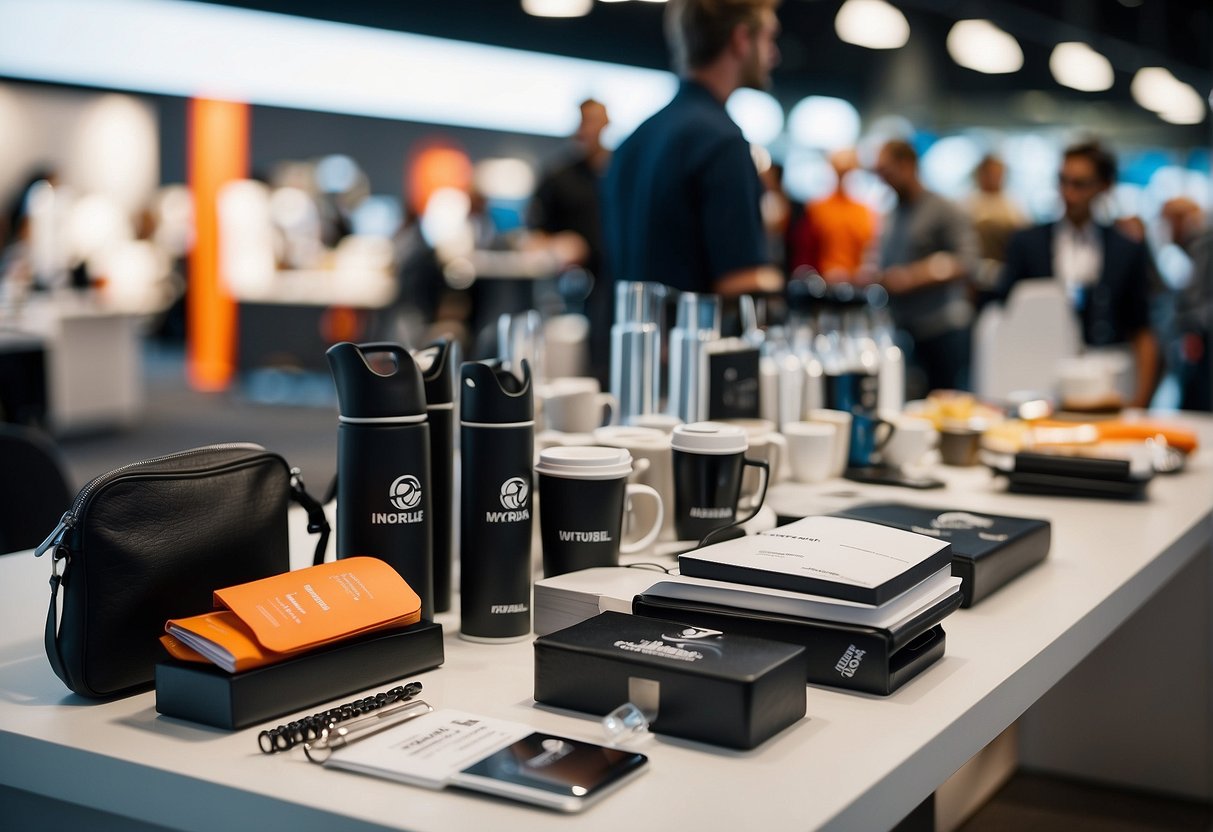
The promotional product landscape is evolving with a strong emphasis on tech integration, eco-conscious choices, and the demand for tailored items that reflect a brand’s unique identity.
Innovative Technology Integration
In the realm of promotional products, technology items are highly sought after due to their practical use and engagement potential. You’ll find products like audio accessories, which are perfect for even more people working remotely and participating in virtual conferences. Examples include branded headphones or wireless chargers that serve as daily reminders of your brand.
Sustainability Movements
Your customers are increasingly environmentally conscious, and this is reflected in their preference for promotional products. Items made from recycled materials or those that promote sustainability are not just a choice but are becoming a standard expectation. From recycled tote bags to reusable water bottles, these promotional items help position your brand as environmentally responsible.
Personalization and Customization
Personalization and customization of promotional products provide a way to create a deeper connection with your audience. Utilizing customization, like engraving or printing of individual names, makes recipients feel valued and helps to increase the perceived value of the promotional product. The trend leans towards creating unique and memorable products that stand out and reinforce brand recognition.
Popular promotional items with real prices
Listed starting points on Swagify for the item types above (per piece at the minimum quantity):
| Product | Minimum order | Listed price per piece at the minimum | Decoration |
|---|---|---|---|
| Gildan – Heavy Cotton 100% Cotton T-Shirt. 5000 | 24 pcs | $12.42 | 1-color print, 2-color print, full-color print, embroidery |
| 20 Oz. Himalayan Tumbler | 36 pcs | $20.88 | Full Color Small, Laser Engraving, Full Color, Silk-Screen |
| Natural 10 oz Cotton Canvas Tote Bag | 50 pcs | $14.59 | embroidery, Heat Transfer, Silk-Screen |
| Kelley’s Pen | 250 pcs | $0.98 | Silk-Screen |
| Geneva Journal | 50 pcs | $10.11 | Silk-Screen |
| 10W Wireless Charger Phone Stand | 50 pcs | $22.99 | Silk-Screen, Full Color, Laser Engraving |
For picks by use case, see best promotional products by use case.
How ordering works on Swagify
- Choose the product, colors and quantity. The price table on each product page shows where the next price break starts.
- Customize it. Pick the decoration method and imprint location, then upload your logo (a vector file prints cleanest) and add any design instructions.
- Request a proof if you want one, then choose a delivery date. Proofs are optional; if you request one, production starts only after you approve it. Standard production is 7–10 business days (counted once payment clears and any proof is approved), plus 3–5 business days for standard ground shipping, so plan on roughly 2–3 weeks door to door.
Browse apparel, drinkware, bags, office supplies and technology. More guides on this topic: Events & Trade Shows hub.
Frequently Asked Questions
In this section, you’ll find answers to common inquiries about leveraging promotional items effectively for your business in 2024.
What are the top trends in promotional items for businesses in 2024?
For 2024, sustainability and technology integration are leading trends in promotional products. Items like plantable paper desk calendars, which users can plant after use, are becoming exceedingly popular, embedding a concern for the environment in your brand’s messaging.
Which promotional products offer the most effective brand exposure?
Products that provide everyday utility, such as high-quality reusable water bottles, can ensure daily brand exposure. Choosing items that align with your audience’s values and needs is pivotal for maximal impact.
How do small businesses select the most impactful promotional items within their budget?
Small businesses should prioritize functional items that resonate with their brand and clientele to maximize recall and retention. For budget-friendly options, consider products like custom money clips, which are affordable and can be used daily.
What types of unique promotional items are currently favored for brand differentiation?
Unique items that stand out, such as innovative tech gadgets or custom-designed products, can set your brand apart. Incorporating novelty and practicality is key, with items like luxury promotional products for VIP clients driving differentiation.
Are there any innovative promotional product ideas that businesses should consider?
Yes, tech-integrated products like RFID-blocking wallets or branded hand sanitizer sprays cater to modern concerns such as security and health, presenting innovative opportunities for businesses to connect with their audiences.
What factors should companies consider when choosing a supplier for their promotional products?
Quality, cost, and reliability are critical factors when selecting a supplier. Companies must also assess the supplier’s range of options and ability to deliver environmentally sustainable products, which are increasingly important to consumers.