
When you hear the term microfiber, you might think of cleaning cloths or sportswear. Microfiber is indeed a synthetic fiber extremely thin and made from materials like polyester and nylon. These fibers are finer than one denier, making them much thinner than a human hair.
This unique composition gives microfiber its remarkable properties, like softness, absorbency, and durability.
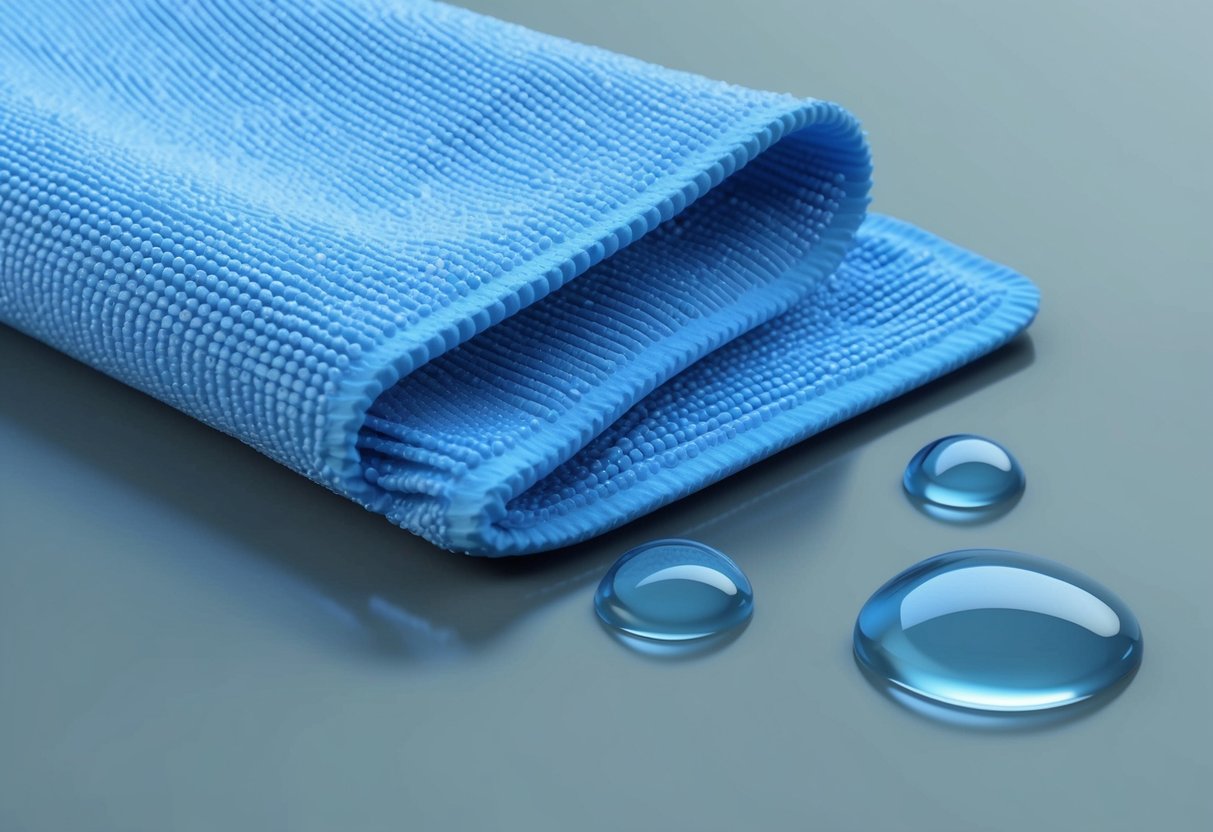
Microfiber is used in a wide range of products. From clothing and upholstery to filters and cleaning items, its versatility is hard to miss. Its ability to pick up dirt and absorb water makes it a popular choice for cleaning tools.
Microfiber is often considered non-abrasive. It is gentle yet effective, leaving surfaces spotless without damage.
In addition to cleaning products, microfiber is also found in furniture and activewear. Its lightness and breathability make it ideal for these uses. You might find that your favorite workout clothes are crafted from this innovative material, which offers comfort along with performance.
Composition and Types of Microfiber
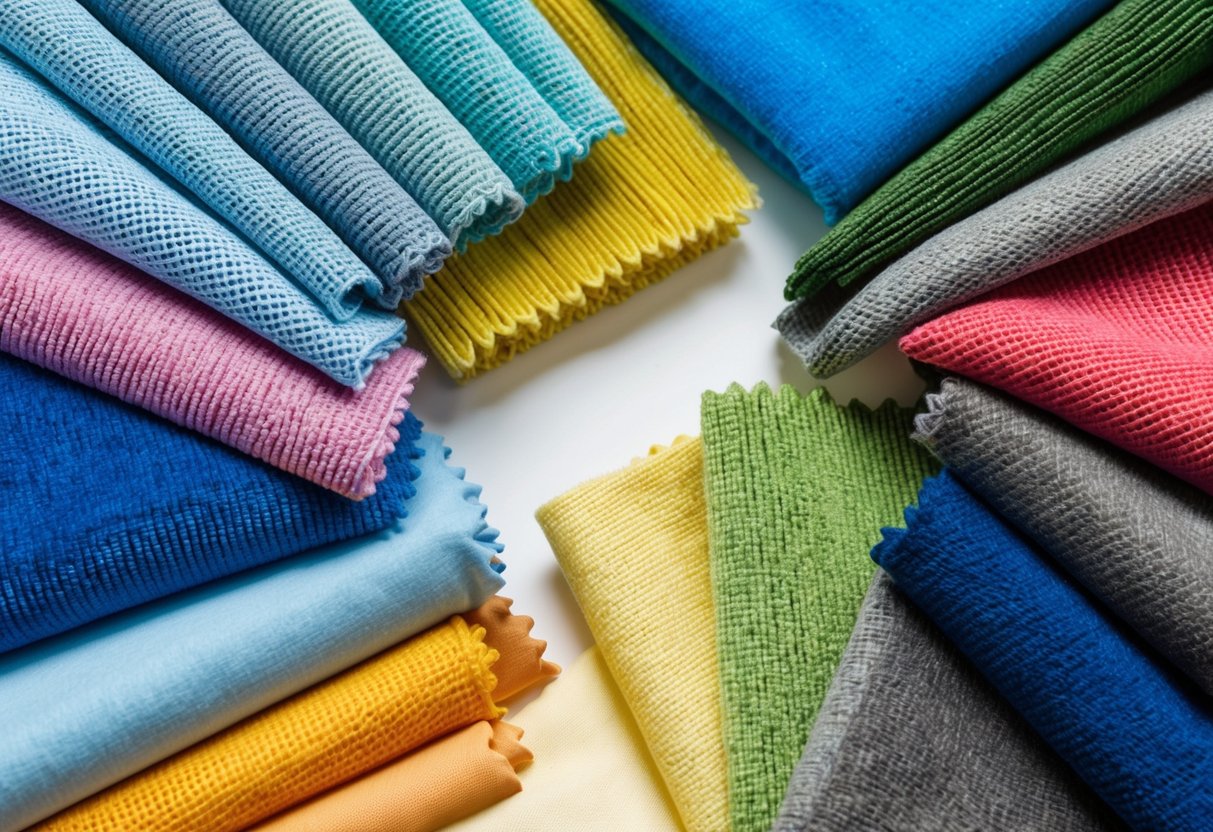
Microfiber is made from very fine synthetic fibers, typically less than ten micrometers in diameter, often composed of polyester and polyamide. These materials create a fabric that is soft, durable, and highly absorbent, making it ideal for various cleaning and textile applications.
Polyester and Polyamide Blend
Microfiber is most commonly made from a blend of polyester and polyamide, also known as nylon. Polyester contributes to the structure and durability. This component allows the fabric to hold its shape well and withstand extensive use.
Polyamide adds thickness and absorbency, enhancing how well microfiber can trap liquids and dirt. The combination creates fibers that are split into extremely thin strands, making them highly effective for cleaning and quick to dry.
The blending process is crucial because the resulting material combines the best qualities of both components. Nylon’s flexibility and resilience complement polyester’s durability. Sometimes, you may also find microfibers that incorporate materials like Kevlar, Nomex, or polypropylene, each adding specific characteristics. For example, Kevlar might add strength, while Nomex can offer heat resistance.
Differences Between Microfiber and Other Synthetic Fibers
Microfiber stands out from other synthetic fibers like plain polyester or polypropylene because of its fine structure. Traditional synthetic materials tend to have larger fibers, which are less effective at capturing small particles.
This finer structure allows microfiber to trap dust and dirt, making it preferred for cleaning tasks.
While polyester is a major component in both microfiber and other synthetic textiles, microfiber’s specific blend with nylon is key to its unique properties. Nylon’s role in microfiber adds to its stretchiness and absorbency, unlike other fibers. Although materials like polypropylene are lightweight and water-resistant, they generally lack the absorbency and softness needed for certain applications where microfiber excels.
Properties and Characteristics
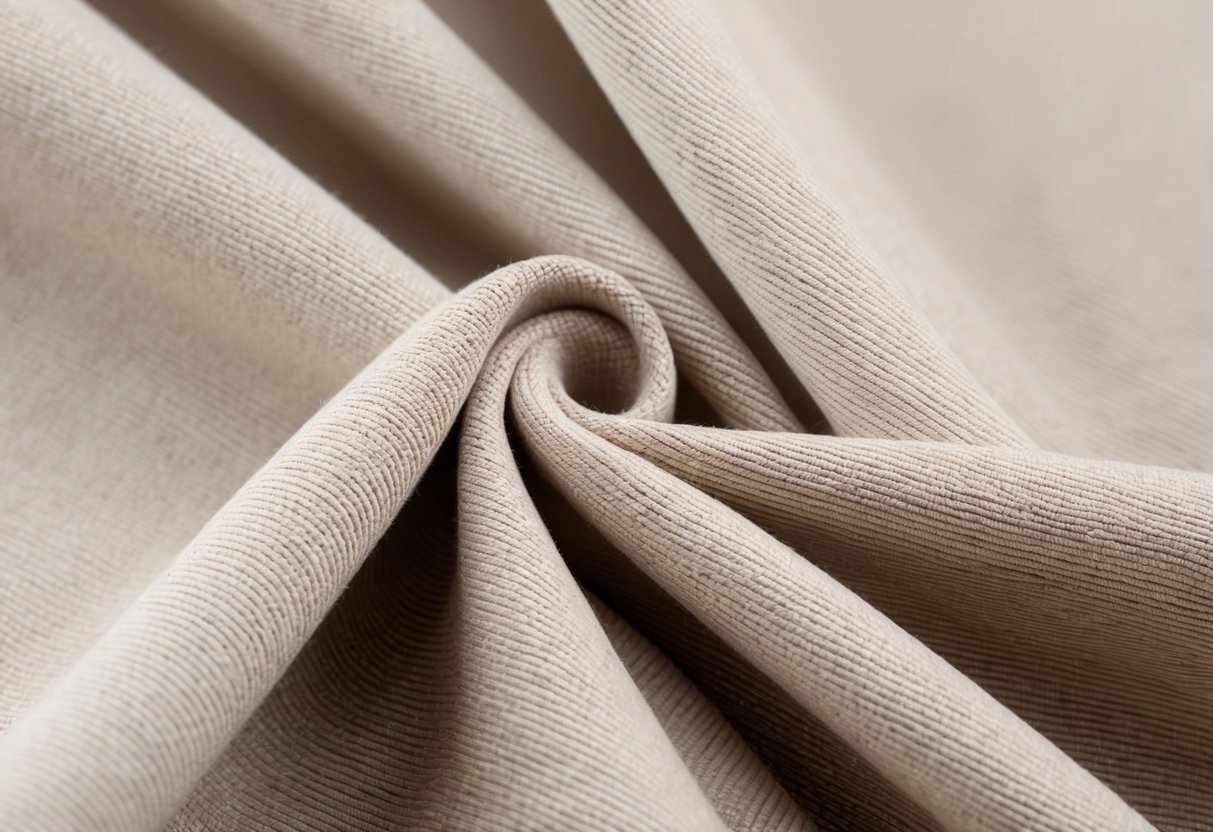
Microfiber is known for its ultra-fine fibers that create distinct properties such as softness, durability, and superior absorbency. These attributes make the material ideal for various applications, from cleaning to clothing.
Physical Structure of Microfiber
Microfiber fabric consists of fibers finer than one denier, often measuring less than ten micrometers in diameter. This ultra-fine structure contributes to the fabric’s remarkable qualities. Its tiny fibers increase the surface area, which boosts its ability to hold and trap dust, dirt, and moisture effectively.
The fibers are often split, which means they have more edges to clean surfaces. This split nature enhances their cleaning efficiency, making microfiber cloths highly effective for various cleaning tasks.
Softness and Durability
Microfiber is celebrated for its soft and luxurious texture. The fabric’s softness comes from the finely woven fibers that feel smooth against the skin, mimicking the touch of silk or suede.
Despite its softness, microfiber is incredibly strong. Its fibers are durable and resist breaking, even after repeated washing.
The fabric retains its shape and quality over time, making it long-lasting. You can repeatedly wash and use microfiber without it losing its softness or structural integrity. Its durability is a compelling benefit, providing value over other materials.
Absorbency and Moisture-Wicking Abilities
Microfiber’s absorbency is one of its standout features. Thanks to its split fibers and increased surface area, it can hold several times its weight in water. This makes it an ideal choice for cleaning cloths and towels, as it efficiently soaks up spills and moisture with ease.
In addition to absorbency, microfiber has moisture-wicking abilities, which draw moisture away from surfaces and skin. This property makes it suitable for use in sportswear, keeping you dry and comfortable during physical activities by evaporating sweat quickly.
Thermal Insulation and Breathability
Microfiber offers both thermal insulation and breathability—features that may seem opposite but coexist in this material. While the dense weave provides some insulation by trapping warmth, the fine fibers also allow airflow, which helps with breathability.
This dual feature means microfiber doesn’t trap heat excessively, making it versatile across different climates. Its lightweight nature further enhances comfort, making it ideal for clothing where insulation and airflow are equally important, such as jackets and activewear.
Usage in Textiles and Clothing
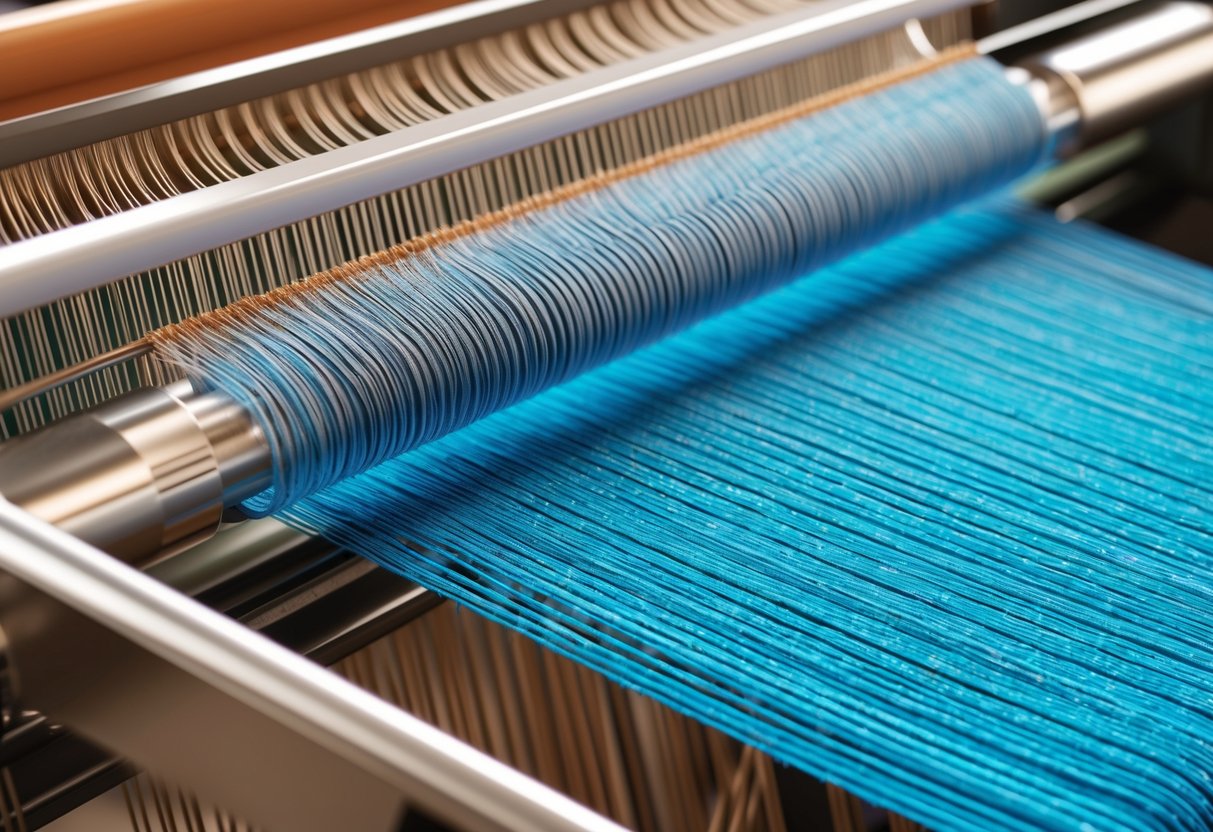
Microfiber is valued for its softness, durability, and breathability. These qualities make it a popular choice for clothing, furniture, and many other textile applications. Its versatility and performance in various products are notable.
Microfiber in Fashion and Apparel
You’ll find microfiber widely used in fashion due to its lightweight and plush texture. It’s often used for clothing items like skirts and jackets, offering a smooth feel similar to natural suede.
Microfiber fabric is also common in creating fashion accessories like scarves and hats. It provides warmth and comfort without the bulk. Polyester and acrylic microfiber blends are prevalent, ensuring durability and a range of textures in clothing design. Ultrasuede is a noteworthy type of microfiber, combining both elegance and practicality.
Athletic Wear and Functional Clothing
Microfiber excels in athletic wear and is a favorite in sportswear manufacturing due to its moisture-wicking properties. This makes it perfect for activities where you need to stay dry, such as running, yoga, or team sports.
The lightweight nature of microfiber ensures comfort during exercise. Stretchable microfiber is often found in activewear like leggings and gym tops. Its durability allows for repeated washing and heavy use without losing its performance attributes, making it essential in your workout wardrobe.
Upholstery and Furniture Applications
In the realm of upholstery, microfiber is a go-to fabric for furniture upholstery like sofas and chairs. Its stain-resistant properties make it easy to maintain, ideal for homes with kids or pets. The smooth texture also mimics the luxury of suede without the high maintenance.
Microfiber’s versatility extends to automotive interiors and upholstery fabrics for both aesthetic appeal and practical use. It’s also common in cleaning products like microfiber cloths and mops, valued for their ability to capture dust and grime effectively. You can rely on microfiber for quality and ease of use in various upholstery applications.
Microfiber in Cleaning Products
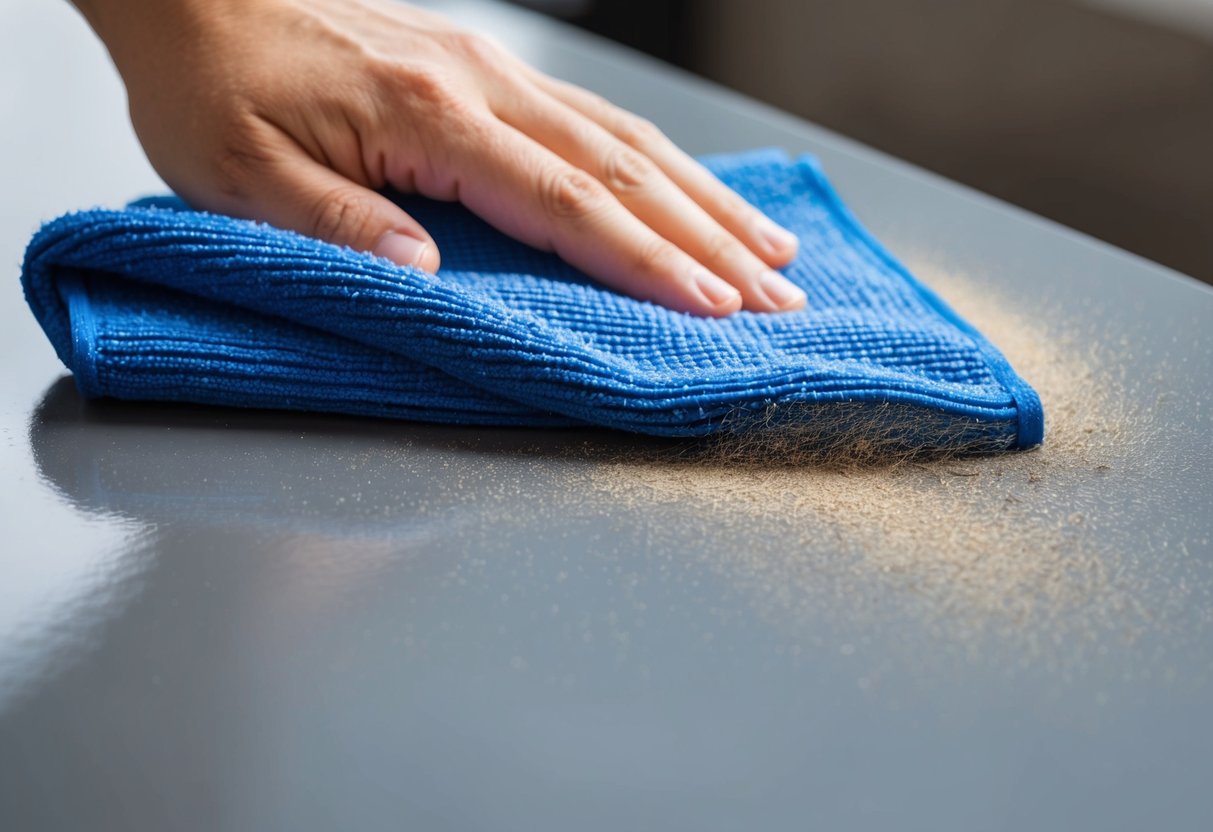
Microfiber cleaning products have become a staple in both household and commercial cleaning due to their effectiveness and versatility. These products are not only efficient at capturing dust and bacteria but also offer sustainable and eco-friendly options for maintaining cleanliness.
Advantages in Cleaning Applications
Microfiber cleaning tools stand out because they capture more dirt and bacteria compared to traditional materials. The microfibers can hold up to seven times their weight in water, making them highly absorbent. They are ideal for cleaning spills and removing germs effectively without chemicals.
Using microfiber also means less lint and streaks, leaving surfaces cleaner. Microfiber cloths are also reusable, reducing waste and saving money over time.
Various Types of Microfiber Cleaning Tools
Various microfiber cleaning products are available to suit different tasks. Microfiber towels and cloths are perfect for general cleaning and wiping surfaces without scratching them.
Microfiber mops are effective for floors, with mop heads that trap dust and debris. Dusting cloths and cleaning rags work well for dry dusting or cleaning delicate surfaces. These tools provide versatile and efficient solutions for all your cleaning needs.
Environmental Impact and Sustainability
Microfiber cleaning products offer an eco-friendly alternative to single-use cleaning tools. Their durability and reusability mean less waste ends in landfills. Even though they are synthetic, requiring minimal chemical cleaners and water makes them a greener option.
By choosing microfiber, you contribute to reducing water contamination and reliance on harsh cleaning chemicals, making a positive impact on the environment while keeping your home or workspace clean.
Care and Maintenance
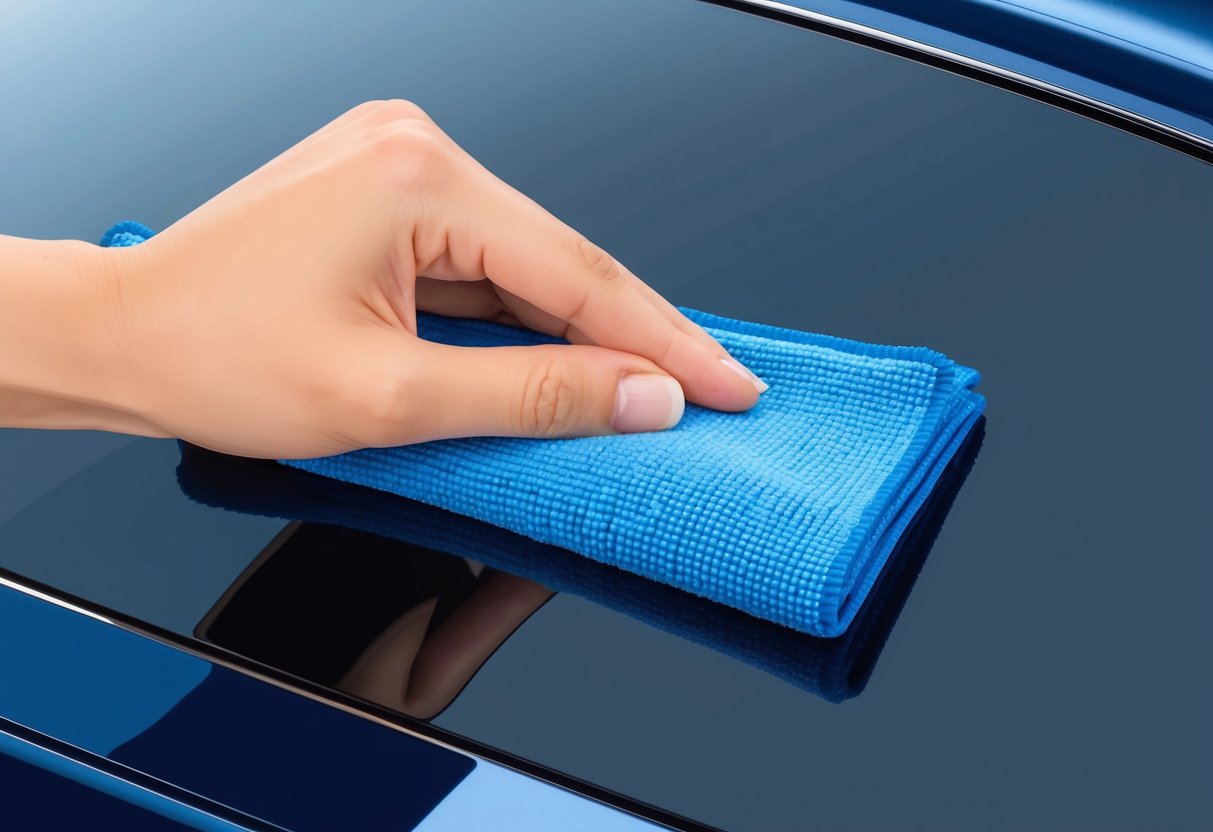
Microfiber items last a long time if cared for properly. Understanding how to wash and dry them correctly can help avoid common issues and keep them in good shape.
Lifespan and Durability
Microfiber is known for its durability and long-lasting nature. The fibers are tightly woven, making them resistant to wear and tear. This makes them ideal for products like table linens and microfiber textiles.
These items often include features like moisture absorption and water repellent abilities, supporting their longevity. Regular gentle handling and maintenance can add years to their lifespan, minimizing fabric damage and color fading.
Proper Washing and Drying Techniques
When washing microfiber, always use cold water or warm water with a mild laundry detergent. Strong detergents can weaken the fibers and alter dyeing. Avoid fabric softeners as they can coat fibers, decreasing effectiveness.
Air drying is recommended, but if using a dryer, choose a low-heat setting. This prevents shrinkage and keeps the fabric intact. Spot cleaning small stains helps in maintaining the item’s appearance without unnecessary full washes.
Common Issues and How to Address Them
A frequent problem with microfiber is its tendency to collect lint and dust. To counteract this, regular vacuuming or shaking out debris helps. If a stain occurs, quick action is key. Blot rather than rub, using a damp cloth to absorb spills.
Using a small amount of vinegar during washing can eliminate odors without harming the fabric. Addressing these common problems promptly ensures your items remain clean and effective.
Innovations and Developments
Microfiber technology is evolving rapidly with new advancements focusing on improving the material’s properties and sustainability. These developments aim to enhance the performance and eco-friendliness of microfiber products, benefiting industries ranging from sports to fashion.
Advancements in Microfiber Technology
Recent innovations in microfiber technology focus on creating synthetic fibers that maintain high performance while being environmentally conscious.
Companies are developing bio-based and compostable yarns, reducing reliance on petroleum. Innovations like these help create eco-friendly materials without sacrificing key properties such as softness, durability, and quick drying capabilities.
Additionally, advancements in weaving and treatment processes aim to decrease microfiber shedding during use and washing. These efforts support the creation of more sustainable textiles and reduce environmental impact, without changing the essential features of microfiber fabrics.
The introduction of such technologies is a step toward minimizing pollution associated with synthetic fabrics.
Future of Microfiber in Various Industries
Microfiber is set to play an increasingly significant role across multiple industries, given its excellent performance metrics.
Compression garments and sports equipment benefit from microfiber’s lightweight and moisture-wicking properties, enhancing comfort and efficiency.
Innovations ensure these items remain functional while being composed of fibers that do not harm the environment.
In fashion, microfiber continues to be favored for its softness and aesthetic appeal. Added developments incorporate biodegradable materials to address environmental concerns.
By replacing traditional fabrics with advanced microfibers, industries can offer improved product lifecycles while meeting consumer demand for eco-friendly options. These transformations signal a promising future where performance and sustainability coexist naturally in everyday products.
Frequently Asked Questions
Microfiber is a popular material known for its lightweight and versatile properties. It is used in various products, from cleaning cloths to bed sheets and sofas, due to its durability and ease of maintenance.
What are the benefits of using microfiber sheets as compared to other materials?
Microfiber sheets are soft and lightweight. They are breathable and wick away moisture, which can help keep you comfortable at night. These sheets are also resistant to wrinkles and stains, making them easy to care for and long-lasting.
How is microfiber material manufactured and what are its common uses?
Microfiber is made by extruding synthetic polymers, like polyester, into very fine fibers. These fibers can be woven into fabrics used for cleaning cloths, clothing, and upholstery.
Microfiber’s fine texture makes it effective for capturing dust and dirt, which is why it’s often used in cleaning products.
Can microfiber products be considered eco-friendly or are they harmful to the environment?
Microfiber is not easy to recycle or compost because of its synthetic material. While some local recycling programs might offer options, it’s usually better to repurpose or donate these products.
Microplastics from microfiber can be harmful to the environment if not managed properly.
What distinguishes microfiber towels for hair from regular towels?
Microfiber towels for hair are more absorbent than regular towels. They can dry your hair faster and are gentler, reducing frizz and breakage. The fine fibers create a smoother surface, which is kinder to your hair as you dry it.
In what ways does a microfiber sofa differ from other fabric sofas in terms of maintenance and durability?
Microfiber sofas are known for their durability and stain resistance. They are easy to clean with a vacuum or a damp cloth.
This makes them a practical choice for families with children or pets. They often resist wear and tear better than other fabric sofas.
What are the potential drawbacks of microfiber pillows compared to other types?
Microfiber pillows may not be as breathable as natural materials. This can make them less suitable for those who sleep hot. They might also flatten over time, requiring regular fluffing. However, they’re typically affordable and easy to care for, which can be advantageous for many users.