
Starting a clothing brand can be an exciting journey filled with creativity and opportunity.
To begin, it’s crucial to identify your unique niche and understand your target audience. This foundational step will guide your design choices, marketing strategies, and overall business plan.
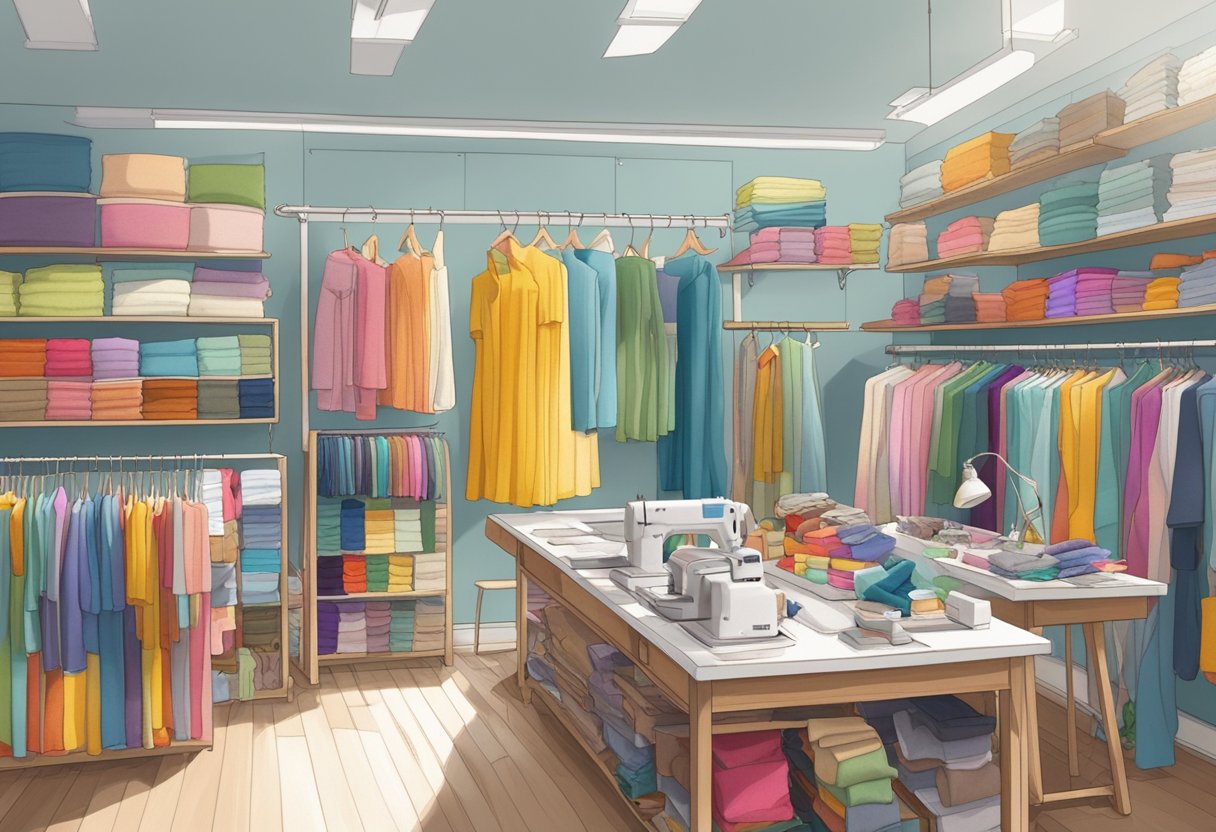
As you venture into the fashion industry, you will need to consider not only your brand’s vision but also practical elements like sourcing materials and production methods.
Understanding the different business models, such as print-on-demand or traditional manufacturing, will help you make informed decisions that fit your goals.
With the right approach, you can turn your passion for fashion into a successful clothing brand. Embrace the challenges ahead, and be ready to innovate and adapt as you navigate this dynamic marketplace.
Identifying Your Niche

Identifying your niche is a key step in starting your clothing brand. A niche allows you to focus your efforts and target a specific market.
Start by self-reflecting on your interests in fashion. Ask yourself: What styles excite you? Are you drawn to activewear, streetwear, or something else?
Next, research the target market. Look for gaps in the market where your brand can fill a need. Consider current fashion trends and how they align with your vision.
Create customer personas to better understand your potential buyers. Think about their demographics, such as age, gender, and lifestyle. This will help you tailor your designs and marketing strategies.
Consider the business model you want to adopt. Do you see your brand more suited for ecommerce or a physical store? Each model attracts different audiences.
Keep in mind that a niche market means your product may not appeal to everyone. Embrace this fact and focus on the audience that will appreciate your brand the most.
Finally, continually adapt to the changing trends and preferences of your target audience. Staying informed will help you maintain relevance in the competitive fashion industry.
Creating Your Brand Identity
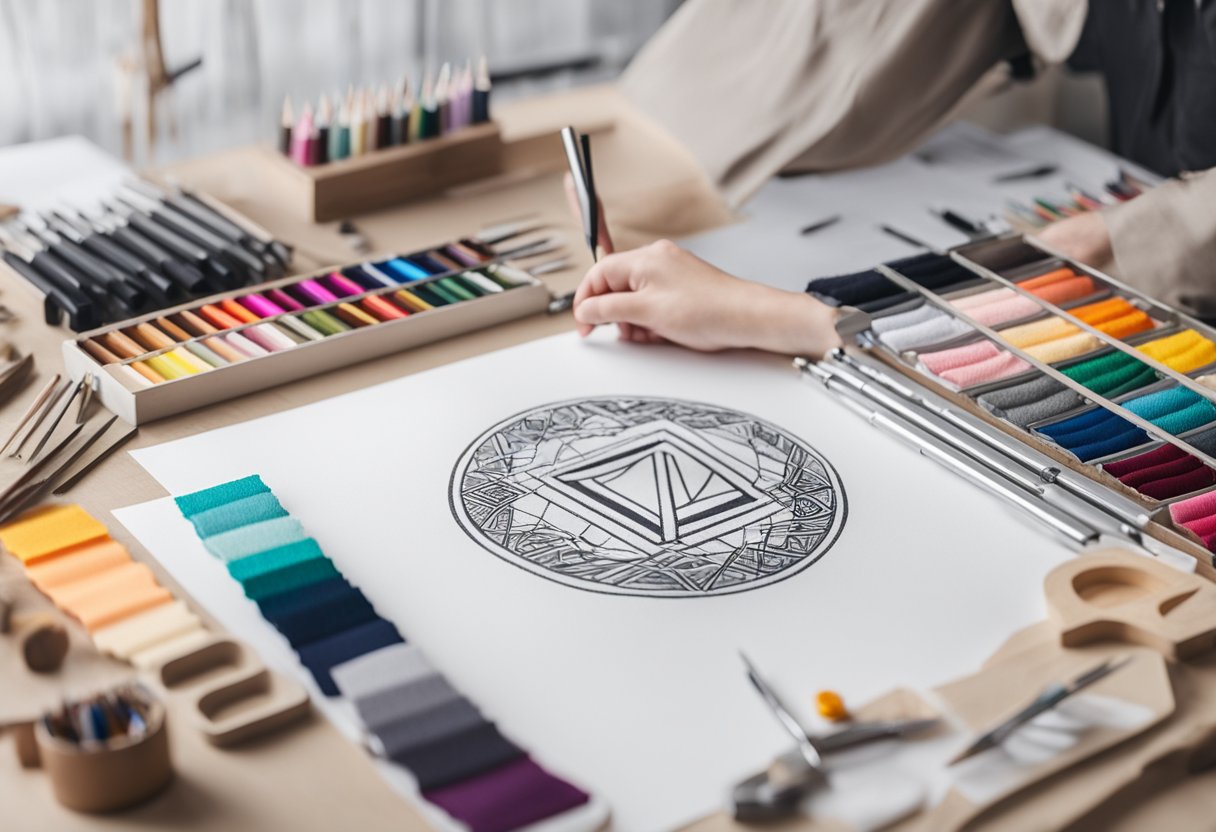
Establishing a strong brand identity is essential for your clothing brand. It helps you connect with your audience and stand out in a competitive market. Focus on your brand name and logo design to communicate your vision and values effectively.
Choosing a Brand Name
Your brand name is more than just a label. It sets the tone for your identity and connects with your customers. Choose a name that reflects your fashion brand’s mission and audience.
Tips for choosing a great brand name:
- Keep it simple: A short and easy-to-pronounce name is more memorable.
- Be unique: Research to ensure your name isn’t already in use.
- Reflect your style: Incorporate elements of your clothing style or target market.
- Consider meanings: Check for positive meanings in different languages.
Think about your value proposition—what makes your brand special—and weave that into your name.
Designing Your Logo and Brand Design
A strong logo is a key element of your brand identity. It encapsulates your values and is often the first impression customers will have of you.
Essential aspects of logo design:
- Simplicity: A clean, clear design is versatile and easy to recognize.
- Typography: Choose fonts that align with your brand personality. Use 1-3 simple typefaces.
- Color scheme: Select colors that evoke emotions and represent your brand’s mission.
- Versatility: Ensure your logo works well in various sizes and applications.
Your logo should be paired with a cohesive brand design that includes packaging and promotional materials. This consistency enhances recognition and strengthens your brand strategy.
Developing Your Business Plan

A solid business plan is essential when starting your clothing brand. It helps you define your market, outline your operations, and set financial goals. Focus on key areas like market research, your operations plan, and financial projections.
Market Research
Start by understanding your target audience. Gather data on their preferences, age, income, and shopping habits. Use surveys, interviews, and focus groups to gain insights directly from potential customers.
Next, analyze your competition. Study their strengths and weaknesses, pricing strategies, and product offerings. This will help you identify gaps in the market your brand can fill.
Finally, consider industry trends. Research current fashion trends and consumer behaviors to align your brand with what is popular.
Operations Plan
Your operations plan details how your clothing brand will function. Start with a clear business model choice like direct-to-consumer, wholesale, or a mix of both.
Outline the production process. Decide whether you will manufacture in-house or partner with a manufacturer. Include details on sourcing materials and managing inventory.
Next, define your supply chain. Identify how you’ll handle shipping, logistics, and order fulfillment. This ensures timely delivery and customer satisfaction.
Financial Projections
Create detailed financial projections to plan your financial future. Include startup costs like materials, equipment, marketing, and personnel.
Estimate your monthly expenses, such as rent and utilities. Predict your income based on sales forecasts.
Break down your projections into short-term (1 year) and long-term (3-5 years) plans. This will help you track your performance and make necessary adjustments to achieve your goals.
Understanding Your Market

Knowing your market is key to building a successful clothing brand. It helps you identify opportunities, understand customer needs, and shape your product offerings. Focusing on analyzing competitors and recognizing demand and market trends will guide your decisions.
Analyzing Competitors
Start by identifying your main competitors in the fashion business. Look at their product lines, pricing strategies, and marketing tactics. Take note of their strengths and weaknesses.
- Product Range: What styles do they offer?
- Pricing: Are they luxury, mid-range, or budget?
- Marketing: How do they connect with customers?
Use tools like SWOT analysis to map out their positioning. This helps you find gaps in the market that your brand can fill. Staying aware of competitors’ actions allows you to adapt quickly and develop unique selling points that set your brand apart.
Demand and Market Trends
Research the latest fashion trends and consumer preferences. This involves analyzing seasonal trends, color palettes, and styles trending on social media.
- Seasonal Trends: What designs are popular for each season?
- Consumer Preferences: Are customers leaning toward sustainable fashion?
Use surveys or social media polls to gather opinions directly from potential customers. Understanding this demand ensures that your clothing line resonates with your target audience. This knowledge helps you develop products that meet market needs and enhances your brand’s appeal, increasing the chances of success.
Producing Your Clothing Line
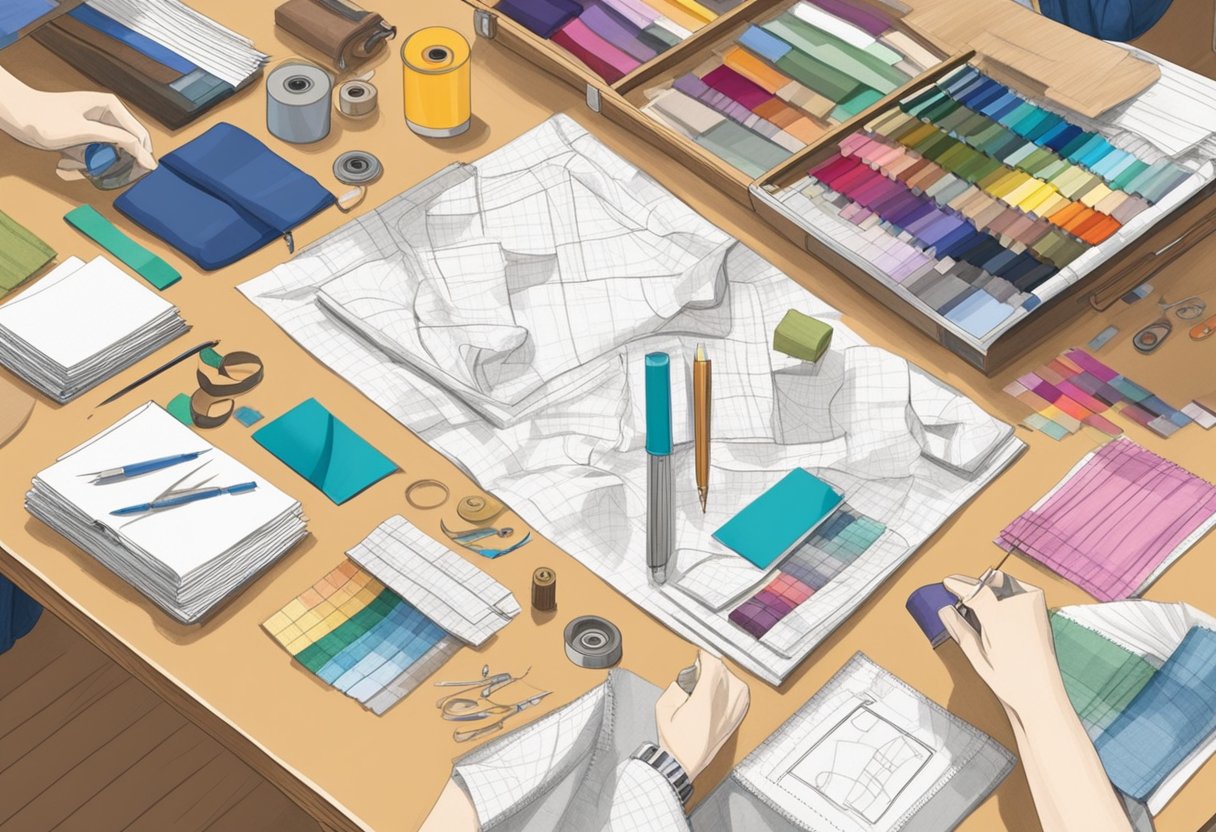
Producing your clothing line involves choosing reliable manufacturers and setting a pricing strategy that works for your brand. This phase is crucial for ensuring quality and profitability.
Selecting Manufacturers and Suppliers
When choosing manufacturers, look for those who specialize in the type of clothing items you plan to produce. Research their reputation and quality of work. You may consider asking for samples to assess their craftsmanship.
Here are key points to consider:
- Location: Local manufacturers can reduce shipping costs and communication barriers.
- MOQ: Understand the minimum order quantity (MOQ) requirement.
- Production Time: Confirm timelines for production. Delays can disrupt your launch.
- Sustainability: Consider eco-friendly manufacturers to appeal to conscious consumers.
Building a good relationship with suppliers is essential. Clear communication about your expectations can lead to a more successful collaboration.
Costs and Pricing Strategy
Understanding your costs is vital for setting the right price point. Calculate production costs, which include materials, labor, and shipping. Consider factors like:
- Material Quality: Higher quality often means higher costs, but can justify premium pricing.
- Labor Costs: Research labor rates in the country of production.
- Shipping Fees: Account for both domestic and international shipping.
After determining costs, establish a pricing strategy that covers your expenses and meets market expectations. Research competitors’ prices to find a competitive range.
You may want to consider these strategies:
- Cost-Plus Pricing: Add a markup to your total production cost.
- Value-Based Pricing: Set prices based on perceived value to consumers.
A well-thought-out pricing strategy will help ensure that your clothing line is both attractive to buyers and profitable for you.
Setting Up Your Sales Channels
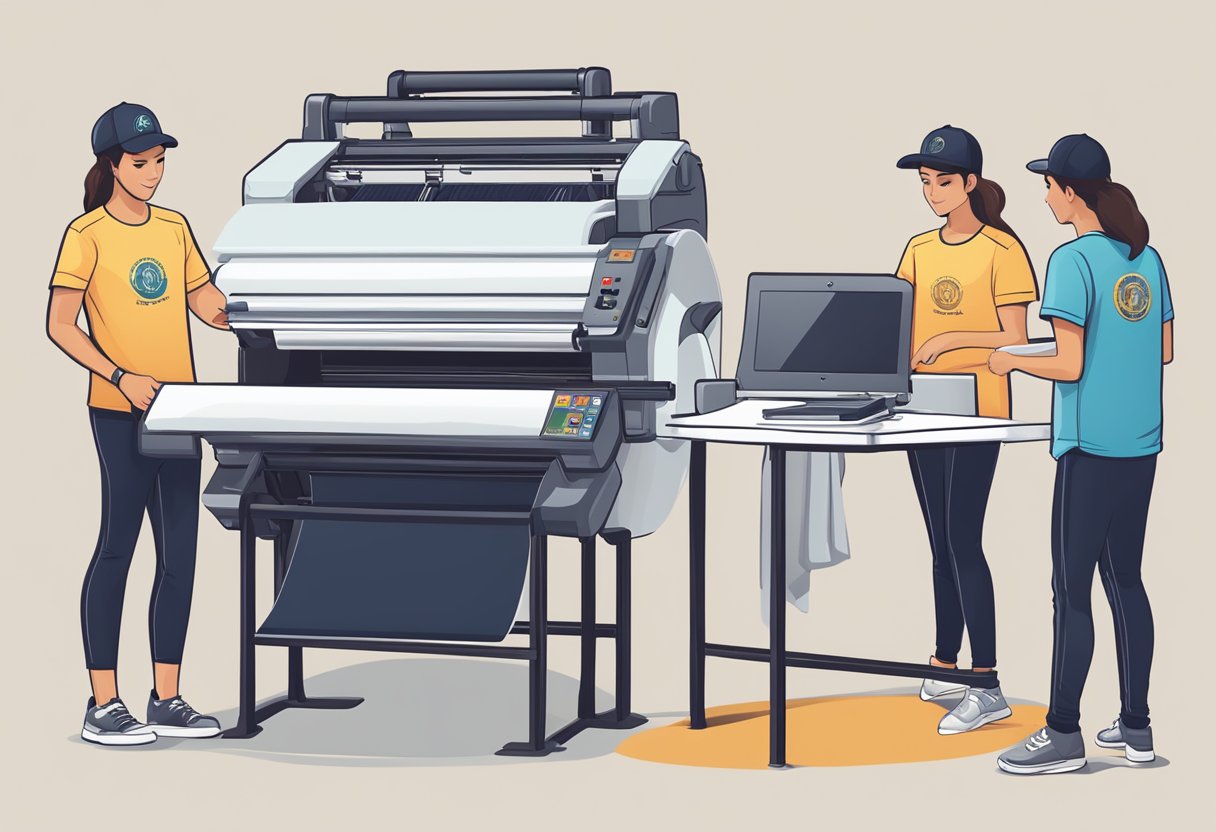
To successfully launch your clothing brand, you need to set up effective sales channels. This includes both online and physical options, which can help you reach your target customers effectively. Below are two main avenues to consider.
Online Store and Ecommerce Platforms
Creating an online store is essential for your clothing brand. You can choose from various ecommerce platforms, such as Shopify, WooCommerce, or BigCommerce. These platforms offer user-friendly website builders that make it easy to set up an attractive online clothing store.
Benefits of using ecommerce platforms include:
- Customizable templates: Choose a design that reflects your brand identity.
- Payment processing options: Simplify transactions for your customers.
- Inventory management tools: Keep track of your stock and sales easily.
Additionally, use effective sales strategies like email marketing and social media advertising to attract customers. Make sure your website is mobile-friendly, as many shoppers use their phones to browse online.
Physical Retail and Pop-Up Stores
While online sales are important, physical retail options can enhance your brand’s visibility. Consider opening a pop-up store or partnering with local retailers. Pop-up stores offer temporary locations, allowing you to test the market with lower risk.
Key points to consider for physical retail:
- Location matters: Choose busy areas or popular events for maximum foot traffic.
- Brand experience: Create a unique shopping experience that reflects your style.
- Collaborations: Work with local boutiques or department stores to gain exposure.
Both physical and online channels can work together. This approach allows you to build a strong presence in the marketplace, attracting a wider audience to your clothing brand.
Marketing Your Clothing Brand
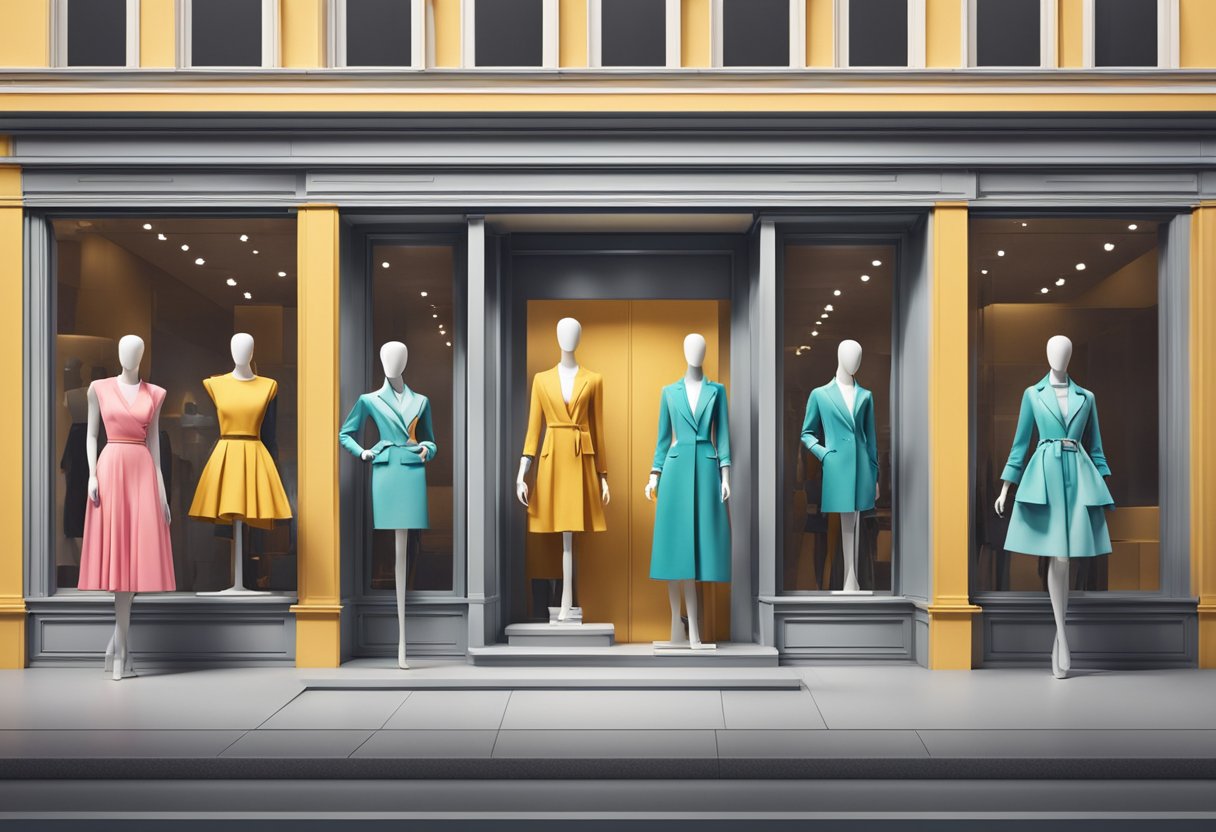
Marketing your clothing brand involves a clear strategy along with effective use of social media and promotions. These elements help you reach your audience and create a strong brand presence.
Building a Marketing Strategy
Start by defining your target audience. Knowing who they are will guide your marketing actions. Research their likes, dislikes, and purchasing habits to create an effective marketing plan.
Outline your goals. These may include increasing brand awareness or driving sales. Clear, measurable goals will help you assess your progress.
Explore online marketing channels such as email, blogs, and websites. This expands your reach. Consider incorporating eco-friendly practices into your brand, as many consumers prefer sustainable options.
Utilizing Social Media and Influencers
Social media is crucial for promoting your clothing brand. Platforms like Instagram and Pinterest engage visually and connect with potential customers. Create eye-catching posts that showcase your products along with your brand’s unique story.
Working with influencers can amplify your reach. Choose influencers whose style aligns with your brand. Their followers are likely to trust their recommendations, which can lead to higher engagement.
Develop a consistent brand voice across your social media accounts. This helps you build identity and trust with your audience.
Crafting Promotions and Campaigns
Promotions attract customers and boost sales.
Set special discounts for holidays or launch events. Limited-time offers create urgency, encouraging quick purchases.
Use engaging marketing campaigns to tell stories about your brand.
Share behind-the-scenes content or customer testimonials to build connection.
Consider running contests on social media to engage followers.
Prizes can include gift cards or your products. This increases visibility and encourages sharing, expanding your reach further.
Launching Your Brand
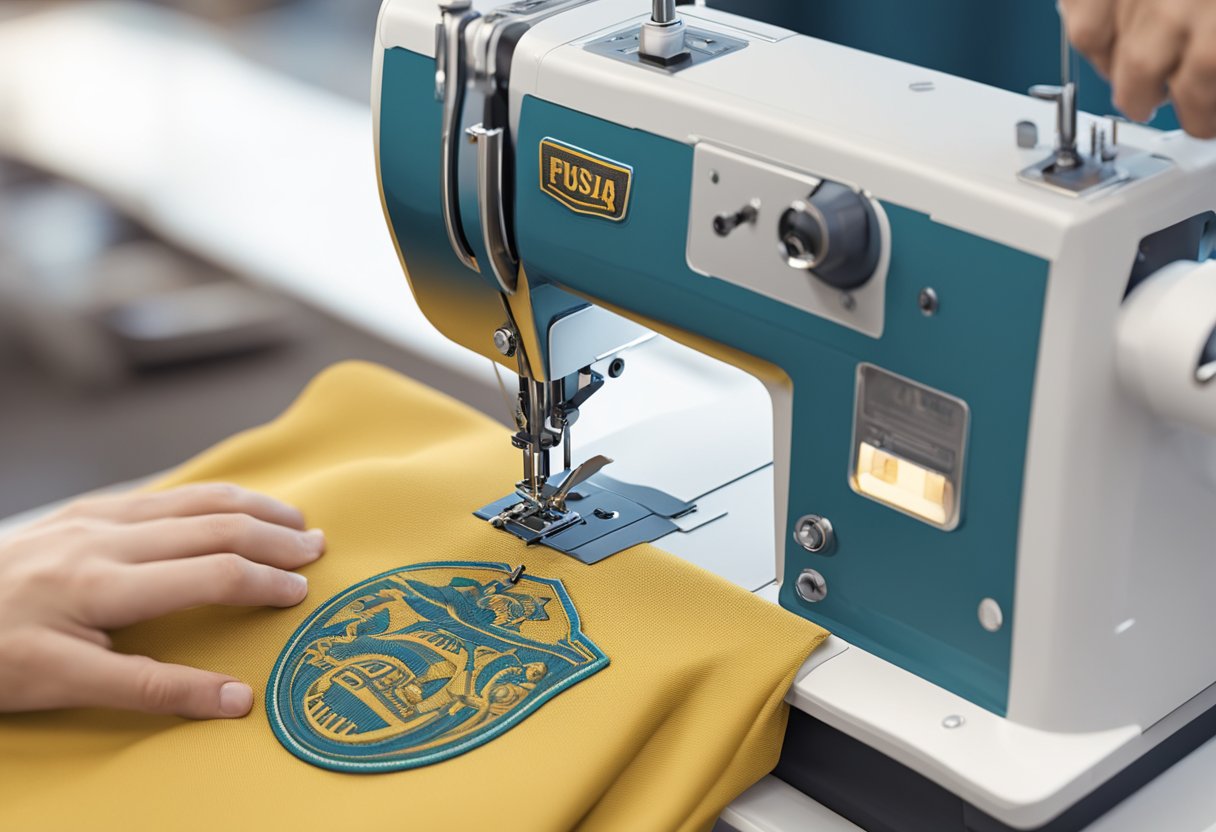
To launch your clothing brand successfully, you need to focus on key actions such as registering your business and planning an effective launch event.
These steps will help build your brand identity and connect with your target audience.
Registering Your Business
First, decide on a business structure, such as a sole proprietorship, LLC, or corporation. Each has different legal and tax implications, so choose the one that fits your needs.
Registration typically involves selecting a unique business name and checking for trademarks.
Next, take care of licenses and permits required in your area.
This can include a sales tax permit if you plan to sell your items online or in stores. Also, you may need insurance to protect your business and personal assets.
Once you’re registered, consider your business model. Are you selling online through eCommerce platforms or via a physical store? Being clear about your sales strategy helps as you move forward.
Planning Your Launch Event
A well-planned launch event creates buzz around your brand.
Start with defining your goals. Do you aim to attract local customers, or is your focus on online sales?
Choose a suitable format for your event. This could be an in-person pop-up shop, an online launch through social media, or even a crowdfunding campaign to gain initial support.
Set a date and promote your event through emails, social media, and local advertising.
Use eye-catching packaging to grab attention and reinforce your brand’s identity during the launch.
Engage your audience with giveaways, exclusive discounts, or a sneak peek at your collection.
Make sure to follow up with attendees to nurture relationships and encourage future sales.
Managing Operations and Growth
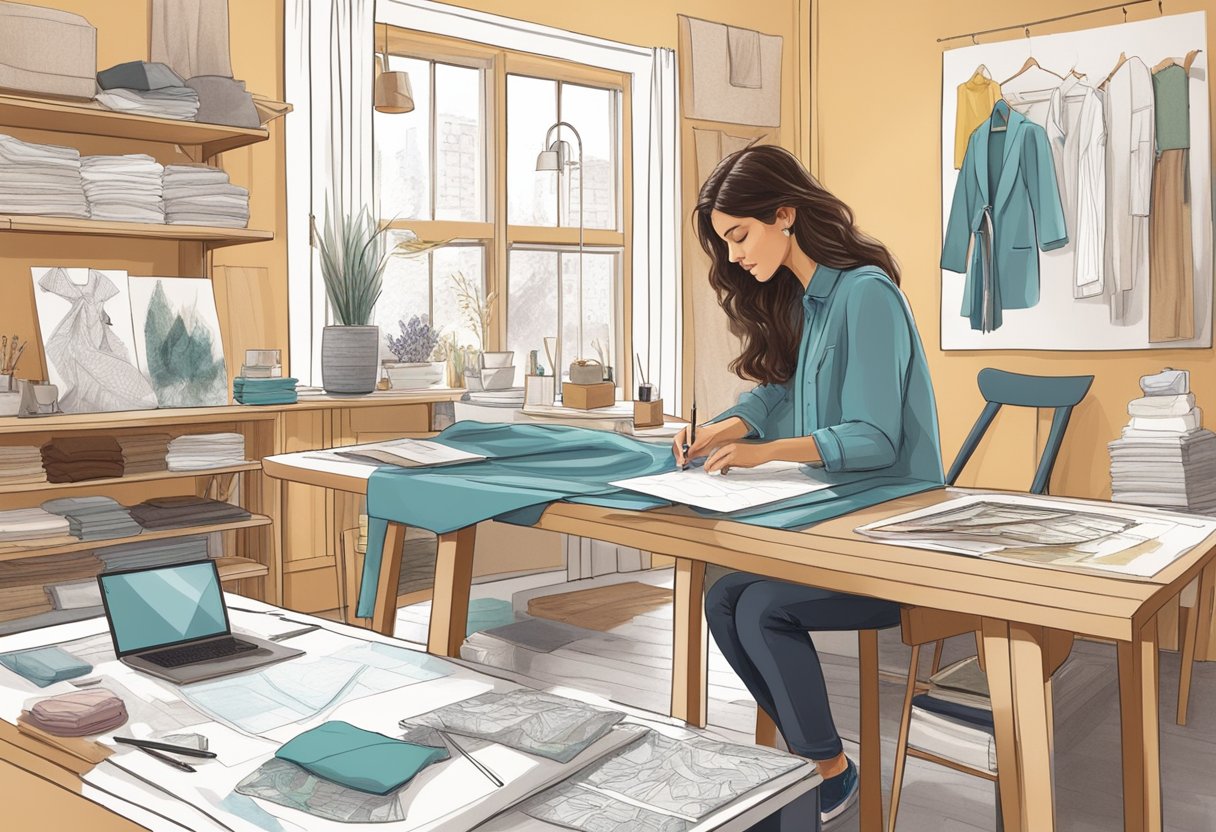
Managing your clothing brand effectively involves ensuring great customer service and strategically planning for growth.
Focusing on these areas will help you build a loyal customer base while expanding your product offerings.
Customer Service and Satisfaction
Strong customer service is key to keeping customers happy.
Respond to inquiries quickly. Use email, social media, and live chat to connect with your audience.
Offering easy returns and exchanges builds trust. Make the process clear and simple.
Consider creating a FAQ section on your website to address common concerns.
Gather customer feedback regularly. Use surveys and reviews to learn what your customers like and dislike about your products.
Act on their suggestions to improve satisfaction.
Keep your customers informed about new products and promotions through newsletters or social media. Staying engaged can increase loyalty and encourage repeat purchases.
Scaling and Diversifying Your Product Offerings
As your brand grows, think about scaling up operations.
Start by analyzing your sales data to see which products perform best. This will help you decide what to expand.
Consider adding accessories that complement your clothing line. Items like bags, hats, or jewelry can attract more customers.
Develop a clear operations plan to manage production, inventory, and shipping. This will help streamline efficiency.
Evaluate potential manufacturers and suppliers regularly to ensure quality and reliability.
Explore new markets, including online sales and international shipping. These strategies can boost growth and introduce your brand to a wider audience.
Sustainability and Ethical Considerations
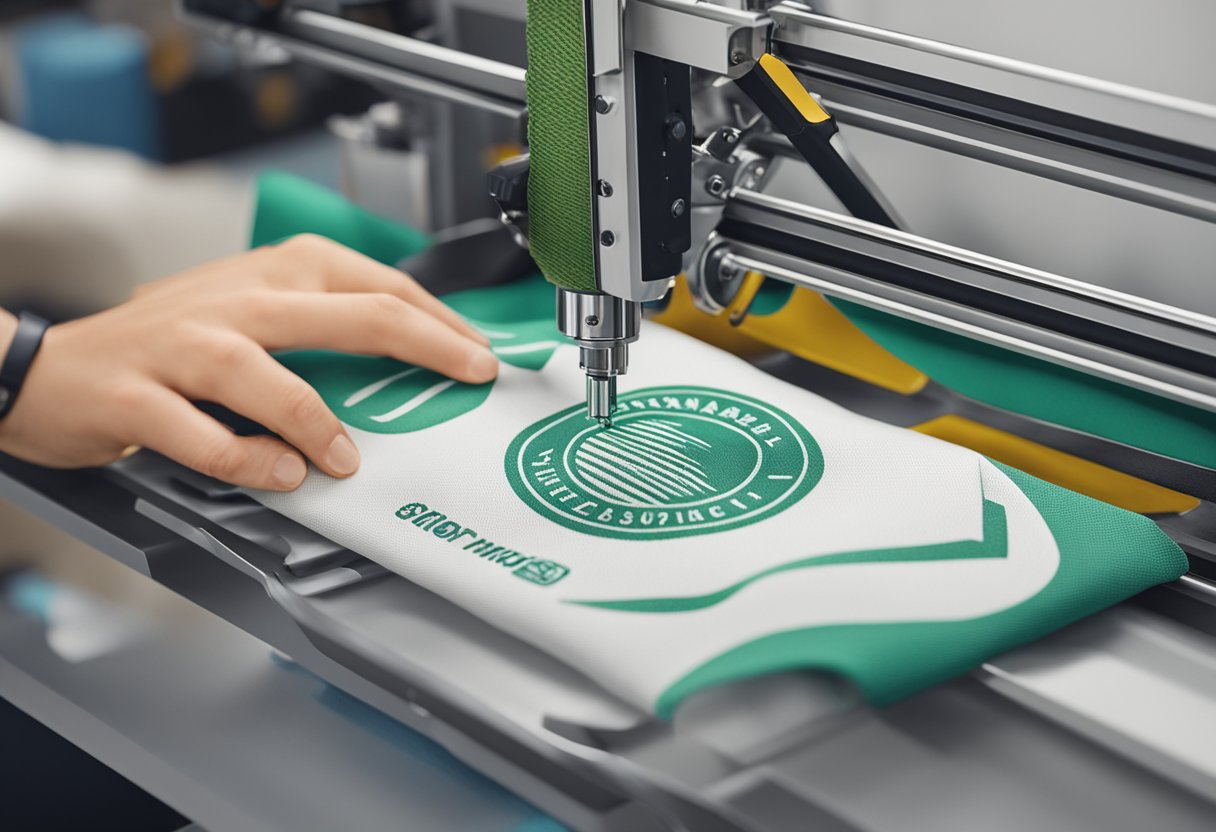
Starting a clothing brand requires a focus on sustainability and ethical practices. These elements appeal to modern consumers who value eco-friendliness and responsible production.
Eco-Friendly Materials
Choose materials that minimize environmental impact. Consider options like:
- Recycled fibers
- Organic cotton
- Bamboo
These materials reduce waste and lower your brand’s carbon footprint.
Cruelty-Free Practices
Ensure that your products are not tested on animals. This commitment to cruelty-free production resonates with shoppers who care about animal welfare.
Ethical Labor Practices
Prioritize fair wages and safe working conditions for workers in your supply chain. Transparency in sourcing is crucial. Consumers appreciate brands that are accountable for their labor practices.
Minimizing Waste
Adopt a strategy that reduces waste throughout your production process. Implement practices such as:
- Made-to-order production
- Recycling scraps
- Utilizing remnants effectively
By integrating these sustainable and ethical considerations, your clothing brand can stand out.
You not only contribute positively to the planet but also build trust with your customers. Making sustainability a core value enhances your brand’s reputation and fosters long-term success.
Frequently Asked Questions
Starting a clothing brand involves many questions. You need to consider finances, initial steps, licensing, funding strategies, suppliers, and online presence. Here are answers to some common inquiries.
How much capital is necessary to launch a clothing line?
The amount of capital needed varies greatly. A small clothing line might need around $5,000 to $10,000. Larger ventures can require $50,000 or more, depending on production costs, branding, and marketing.
What are the first steps in creating a clothing brand from scratch?
Begin by defining your brand’s vision and target audience. Next, develop your designs and create a business plan. Research the market and identify your competition to better understand the landscape.
Do I need a business license to start selling my clothing designs?
Yes, a business license is typically required to operate legally. The exact requirements depend on your location, so check with local authorities. You may also need to register for taxes and get permits for sales.
What strategies exist for starting a clothing brand with minimal funds?
Consider starting small by creating a limited collection.
You can use print-on-demand services to avoid upfront inventory costs. Additionally, focus on social media marketing to promote your brand without spending a lot.
How can I find suppliers and manufacturers for my clothing brand?
Start by researching online directories and trade shows. Networking with industry professionals can help. Look for manufacturers who align with your brand values, quality standards, and budget.
What are the key elements in building a strong online presence for a new clothing label?
Focus on creating a user-friendly website showcasing your designs. Utilize social media platforms for marketing and engaging with customers.
Consistent branding and quality content are essential for attracting and retaining an audience.