Unlock profitable Etsy niche ideas for 2026 and boost your sales! Explore top trends that can elevate your shop’s success and captivate buyers today.
Top-Selling Niches on Etsy in 2026: Discover Profitable Etsy Niche Ideas and Trends Forecast

Etsy niches are shifting fast as buyers favor personalization, sustainability, and hybrid digital‑plus‑physical experiences. This guide defines what a niche looks like on Etsy, explains why 2026 is different, and lays out practical product ideas you can launch or scale. In marketplace terms, a niche is a focused customer segment defined by need, visual language, and repeatable product formats that convert — mastering those mechanics helps you prioritize listing templates, pricing tiers, and promotional tests. Here we cover the macro trends driving Etsy in 2026, rank the top‑selling niches with concrete monetization tactics, show how digital products pair with printed merch, and explain how print‑on‑demand partners reduce risk for small sellers. You’ll get specific product examples, typical price and margin cues for print‑on‑demand (POD), and step‑by‑step listing tweaks that lift conversion for personalized items. The guide is organized into clear sections: trend drivers, most profitable niches, digital strategies and cross‑sells, opportunities in home decor and weddings, and a practical look at how POD platforms help scale without inventory. Throughout we reference helpful terms (custom t‑shirts, printable wall art), assets (mockups, print files), and related players (Etsy, POD, personalized gifts) so you can move from strategy to execution and prepare your shop for 2026 demand. With actionable lists, side‑by‑side comparisons, and workflow tips, this forecast helps makers and small brands pick a niche, design repeatable SKUs, and test offers that match real buyer signals.
What Are the Key Etsy Trends Driving Sales in 2026?
Etsy’s 2026 selling environment is driven by a few clear trends that change shopper expectations and how sellers should position products. Personalization and self‑expression boost conversion because buyers want items that reflect identity — think name details, custom text, and tailored sizing. Sustainability has moved from nice‑to‑have to a baseline for many shoppers: materials, packaging, and transparent sourcing now affect both purchasing and search relevance. Digital products and hybrid bundles create low‑overhead revenue paths, while authenticity — the “human premium” — rewards maker stories, origin notes, and behind‑the‑scenes imagery. Together, these trends favor sellers who pair strong design templates, responsible materials, and seamless cross‑sells between digital and physical goods.
Etsy trends to watch in 2026 include:
- Personalization as a conversion lever that supports price premiums.
- Eco‑friendly materials and low‑waste packaging as table stakes for many buyers.
- Growth in digital downloads and templates that enable passive income.
- Preference for authentic maker stories and small‑batch aesthetics.
Reading these trends helps you pick niches with durable demand and build offers that align with 2026 buyer values — next we’ll look at which niches are converting best right now.
How Does Personalization Influence Etsy’s Best Selling Items 2026?

Personalization raises perceived value by making items feel bespoke — that boosts conversion and average order value when done well. Options like name embroidery, color choices, or custom text fields let buyers accept longer lead times and higher prices, but only if customization is clear and simple. Good mockups, step‑by‑step instructions, and examples of common inputs cut cart abandonment and returns. Sellers who standardize a few high‑converting personalization templates can scale via POD fulfillment, removing inventory risk and speeding iteration. That operational flexibility lets designers run seasonal drops and limited collections that keep repeat buyers engaged and let you react to trends quickly.
Why Are Eco-Friendly and Sustainable Products Trending on Etsy?

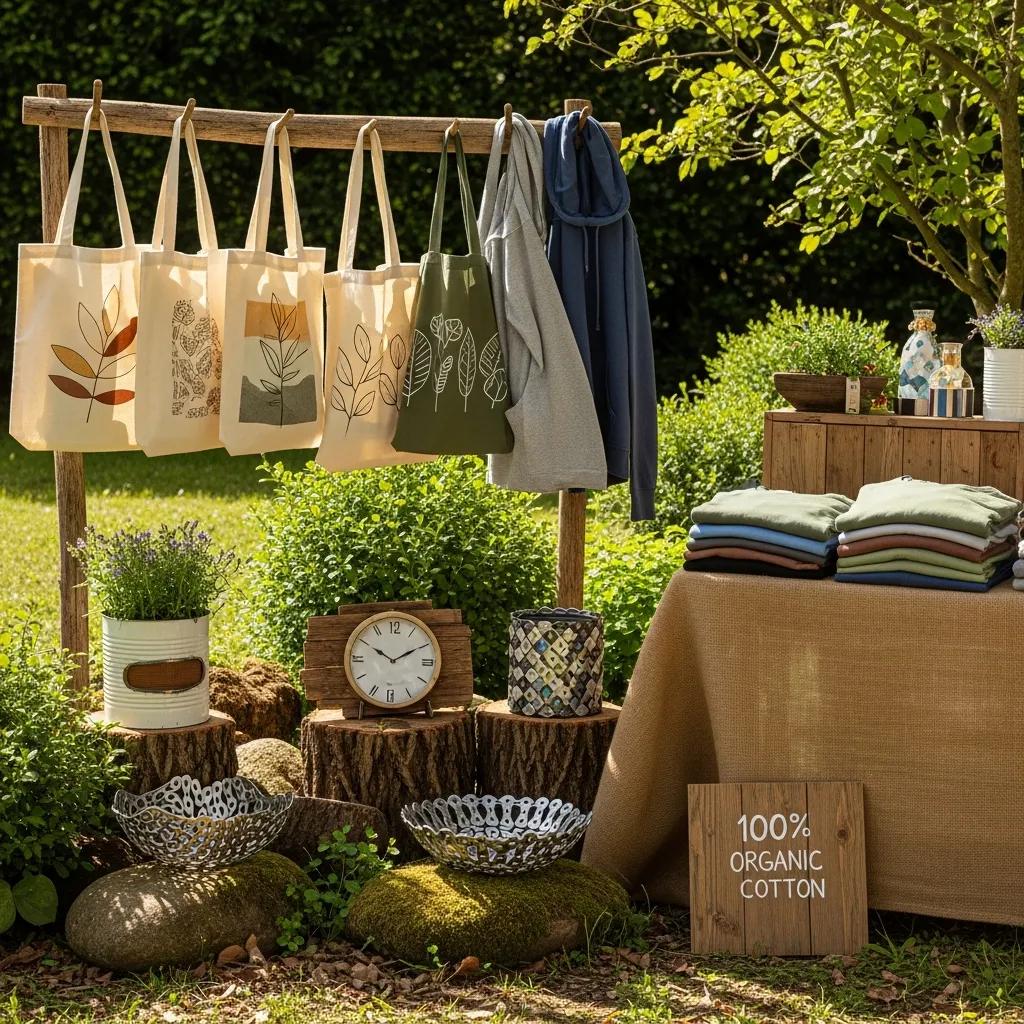
Sustainable products trend because buyers associate responsible materials and low‑impact production with long‑term value — and they actively search for items marked recyclable, organic, or upcycled. On Etsy, categories like upcycled decor, organic apparel, and low‑waste home goods perform best when sellers communicate material provenance, care instructions, and shipping choices that minimize waste. Transparent photos of materials, brief origin notes, and clear certification claims let sellers command higher prices. For POD sellers, offering eco‑friendly base materials and compostable packaging in partner catalogs can be a real differentiator. State sustainability clearly in titles, attributes, and the first lines of your listing so the product surfaces for eco‑conscious searches.
Which Etsy Niches Are Most Profitable in 2026?
Top‑selling Etsy niches in 2026 mix emotional demand, repeat purchase potential, and suitability for scalable production like print‑on‑demand or digital delivery. These niches are resilient: custom apparel for self‑expression, personalized pet products that tap emotional spending, eco‑friendly household goods, digital products with no inventory, wedding items with high AOV, and home decor tied to current style cycles. When you choose a niche, weigh demand drivers, average price point, and POD margin friendliness so your choice matches your capacity and growth goals.
The most profitable Etsy niches for 2026 are:
- Custom apparel — repeatable SKUs and healthy margins via POD.
- Personalized pet products — emotional buys with strong bundling potential.
- Sustainable goods — premium positioning and loyal customers.
- Digital products — low overhead, high margin, and great cross‑sell potential.
- Wedding items & favors — event timing with higher average order values.
- Home decor customization — style‑driven purchases that support upsells.
Below is a quick comparison to help you pick the right niche for a POD‑first approach.
Intro to comparison: The table compares demand drivers, average price cues, POD margin friendliness, and example SKUs so you can see which niches best fit a POD model.
| Niche | Demand Driver | Average Price Point | POD Margin Friendliness | Example SKUs |
|---|---|---|---|---|
| Custom apparel | Self-expression & trends | $20–$50 per garment | Very friendly — low SKU complexity | Custom t-shirts, hoodies |
| Personalized pet products | Emotional gifting | $10–$60 | Friendly with small-batch prints | Pet bandanas, printed pet portraits |
| Sustainable goods | Eco-conscious purchasing | $15–$80 | Moderate — depends on base materials | Organic tees, reusable tote bags |
| Digital products | Low overhead & instant delivery | $5–$50 | High — complements physical cross-sell | Printable planners, wall art |
| Wedding items | Event-driven higher AOV | $5–$150 | Friendly for favors/signage via POD | Custom signage, bridesmaid tees |
This snapshot shows how POD makes experimentation low‑risk and protects margins — especially for apparel and smaller personalized items. Pick the niche that matches your design strengths and your readiness to manage custom options.
What Makes Custom Apparel a Top-Selling Etsy Niche?
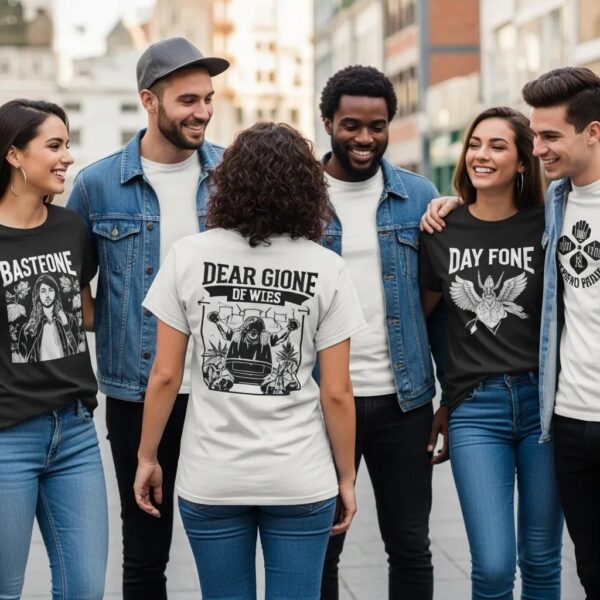
Custom apparel sells because garments offer obvious personalization hooks — names, dates, inside jokes — and they suit limited drops and seasonal collections that drive repeat visits. 2026 apparel trends lean toward nostalgic graphics, clean embroidered details, and bold but simple slogans that resonate with micro‑communities. Pair strong visuals with one‑click customization and conversion improves. POD keeps baseline production predictable and lets you add upsells like gift wrap or faster fulfillment. To optimize listings: use multiple mockups showing fit and personalization areas, include size guides, and pick smart defaults for text fields to reduce buyer hesitation. Top apparel shops treat each design as a template to iterate quickly on trends and customer feedback.
Swagify’s fit: If you want to test apparel ideas without inventory, Swagify’s POD catalog and mockup tools simplify creating and fulfilling custom t‑shirts and hoodies so you can scale experiments faster.
How Are Personalized Pet Products Capturing Etsy Buyers?
Pet products win via emotional storytelling and useful customization — owners buy items that celebrate or memorialize their pets, which makes bandanas, printed portraits, and personalized bowls strong sellers. Listings convert best when they clearly show personalization (name, breed illustration, color) and suggest complementary products to boost AOV, like owner‑and‑pet tees or bundled grooming items. Many pet SKUs sit in a mid‑price bracket that supports gift margins and bundle discounts. Segmenting audiences (new pet owners, memorial buyers, gift shoppers) and tailoring messaging increases repeat business. High‑quality mockups and clear sizing for pet accessories lower returns and build buyer confidence.
Swagify’s fit: Swagify’s POD catalog includes pet‑focused SKUs that you can customize and fulfill on demand, letting sellers run seasonal promos without holding inventory — handy for holidays and adoption anniversaries.
How Can Digital Products Boost Your Etsy Shop in 2026?
Digital products give sellers scalable, low‑overhead revenue and create easy cross‑sell paths to physical items. A digital product is a file or license delivered instantly — printable wall art, planner templates, SVG files, or prompt packs — and they convert well when paired with polished mockups and clear licensing. Benefits are clear: passive income, almost no fulfillment cost, and quick niche testing. Pairing downloads with printed companions — branded notebooks, printed planners, framed prints — turns one‑time buyers into higher‑value customers and increases lifetime value.
Digital product benefits:
- Passive income: files sell repeatedly with no per‑order production cost.
- Low overhead: no inventory, storage, or shipping for the digital item.
- Cross‑sell potential: offer printed companions to boost AOV.
Summary: Digital‑first sellers should prioritize high‑quality files, clear instructions, and simple license language to avoid disputes and maximize conversions. Next, we’ll show how physical branding partners complement digital offerings.
What Are the Best Digital Product Ideas for Etsy Sellers?
High‑converting digital products in 2026 focus on utility and instant gratification: printable planners and calendars, editable templates for small businesses, printable wall art, SVG cut files, and social‑media template packs. File and delivery choices matter — supply high‑res PNGs or layered PSDs for art, PDF+PNG bundles for planners, and ZIP archives for multi‑file products; always include a clear personal vs. commercial license. Pricing typically ranges from $3 to $50 depending on complexity and included assets; tiered bundles increase perceived value and AOV. Strong product pages show lifestyle mockups, an example file, and straightforward printing or editing instructions to reduce buyer confusion and negative reviews.
How Does Swagify Support Digital Product Sellers with Custom Branding?
Swagify helps digital creators by offering printed companion products — notebooks, printed planners, merch — so you can turn digital fans into merch buyers. For example, sell a downloadable planner and offer an optional printed, bound edition fulfilled by a POD partner, maintaining branding without holding stock. That combo increases lifetime value by serving both instant‑download buyers and those who want a tactile product. Operationally, single‑source mockups and partner fulfillment simplify ordering and make A/B testing physical variants fast and affordable.
Transition: With digital and physical tactics aligned, the same cross‑sell and POD strategies work well for wedding and home decor niches where timing and style matter.
What Opportunities Exist in Home Decor and Wedding Niches on Etsy?
Home decor and wedding niches remain dependable revenue channels because style matters and events create urgency. Sellers who clearly signal aesthetic intent and offer personalization can capture higher price points. Home decor in 2026 favors cozy minimalism, natural textures, and mixed‑media wall art that blends printed pieces with handcrafted touches. Wedding demand centers on favors, signage, and bridal‑party gifts that are personalized and often bought in bundles. For both markets, POD and small‑batch runs solve inventory challenges — you can offer customized signage or favors on demand and scale around peak seasons without big upfront costs. Effective listings use style keywords, scale‑appropriate mockups, and transparent lead times for event buyers.
Which Home Decor Styles Are Trending on Etsy in 2026?
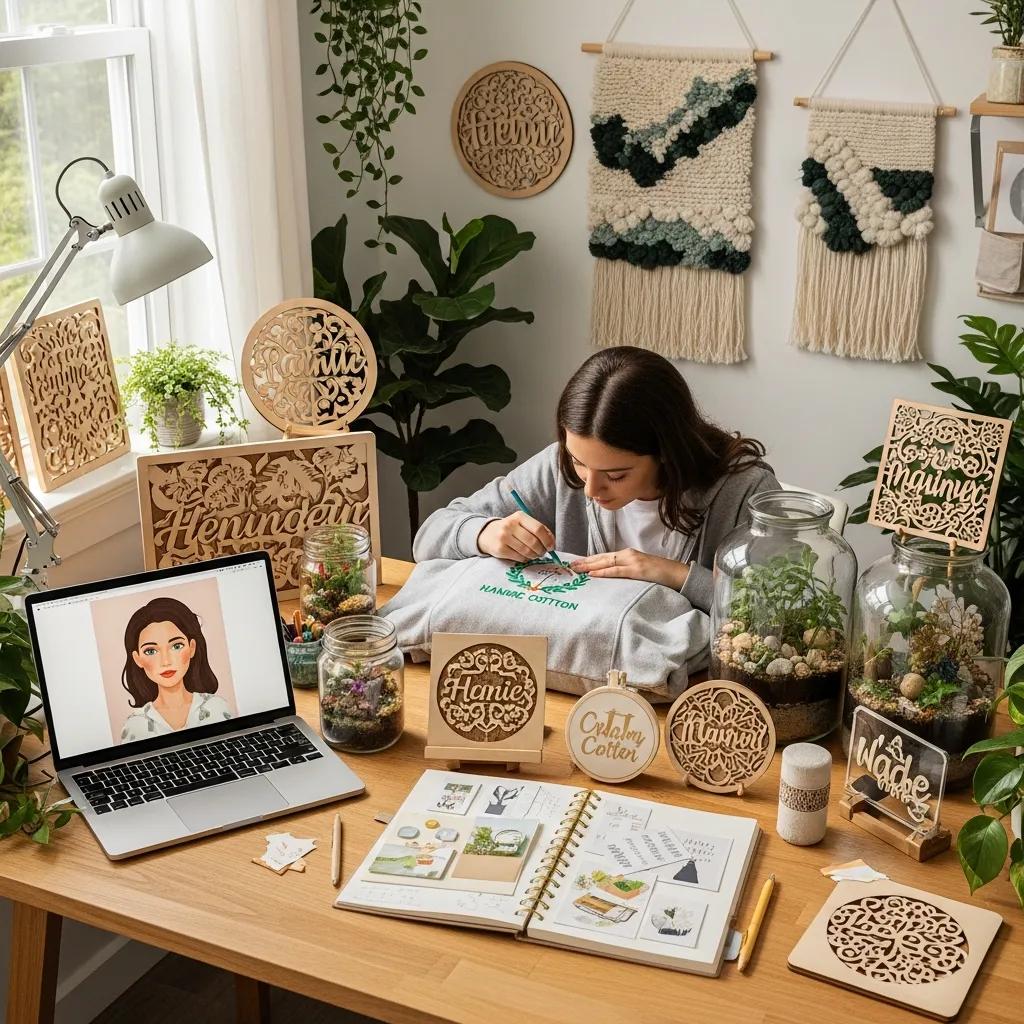
Trending home decor includes cozy minimalism (soft neutrals), natural‑texture accents like woven wall hangings, and personalized wall art that mixes typography with custom illustration. Product fits vary — cozy minimalism pairs with neutral printable art and linen throw covers; natural textures work well with hand‑printed pillows and storage totes; personalized wall art sells as framed prints or canvases. Use multiple lifestyle mockups to show scale, list materials and care details, and suggest complementary pieces to increase cart size. Clear style labels help shoppers find items that match their room mood and encourage bundles for a cohesive look.
How to Leverage Personalized Wedding Items for Etsy Success?
Personalized wedding items convert when sellers offer clear customization flows, upfront lead times, and cohesive packaging that makes gifting easy. Top SKUs include favors, custom signage, and bridal‑party gifts with names or dates; tiered bundles (ceremony sign + favors + thank‑you cards) raise AOV and simplify decisions. Price according to customization complexity and fulfillment time — event buyers will pay more for guaranteed delivery and polished presentation. To scale, use POD and partner fulfillment for printed signage and favors, and keep a production calendar to avoid missed deadlines during peak wedding season.
Intro to list of seller priorities for these niches:
- Clear customization options with sample images.
- Transparent lead times and rush order choices.
- Bundling and upsell tactics to boost average order value.
These operational priorities help convert event buyers and keep clients coming back for future celebrations.
How Does Swagify Empower Etsy Sellers in Top Niches?
Swagify is a print‑on‑demand platform and resource center that helps creators sell custom products without inventory — covering apparel, drinkware, accessories, and office supplies that map to top Etsy niches. For Etsy sellers, Swagify delivers three core benefits: easy product creation with mockups and templates, inventory‑free scaling via POD fulfillment, and a broad product catalog for fast brand expansion. Use these capabilities to test personalization formats, launch seasonal collections, and convert digital buyers into merch customers while keeping overhead low. Below are concise benefits sellers can expect when they integrate a POD partner into their Etsy workflow.
Key benefits include:
- No‑inventory scaling: Launch SKUs without upfront stock and scale on demand.
- Design‑to‑mockup workflow: Rapidly create listing and ad assets.
- Product catalog breadth: Access apparel, drinkware, stickers, and office supplies to diversify offers.
Summary: Integrating a POD partner like Swagify lets creators focus on design and customer experience while outsourcing production and shipping, enabling faster iteration and more efficient niche testing.
Intro to EAV table: The following table maps Swagify product categories to common Etsy use cases and the primary seller benefit.
| Swagify Product | Use-case on Etsy | Benefit / Metric |
|---|---|---|
| Custom T-shirts & Hoodies | Branded apparel and limited drops | Low SKU complexity, fast iteration |
| Mugs & Drinkware | Personalized gifts and wedding favors | High perceived value, easy bundling |
| Tote Bags & Stickers | Eco-friendly shopping and small gifts | Lightweight shipping, low cost |
| Notebooks & Office Supplies | Companion merch for digital planners | Cross-sell increases lifetime value |
| Can Coolers & Tech Accessories | Event merch and niche gifts | Seasonal promos with low storage risk |
How Does Swagify Simplify Custom Product Creation for Etsy Sellers?
Swagify streamlines product creation with a clear workflow: upload a design, generate accurate mockups for listings, pick base products from the catalog, and route orders to fulfillment — all without holding inventory. Early mockups reduce listing friction and boost ad performance; partner fulfillment removes production headaches so you can focus on product‑market fit. Practical steps include preparing print‑ready files, setting up personalization fields in your listing, and testing a small SKU set to measure demand before scaling. POD enables fast A/B tests and limited drops that capture trend momentum while keeping financial risk low.
What Are the Benefits of Print-on-Demand for Scaling Etsy Businesses?
Print‑on‑demand lowers upfront cost by switching production to a per‑order model, cutting inventory risk and improving cash flow for sellers who want to test multiple designs or seasonal lines. Compared with traditional inventory, POD lets you offer a wider SKU range with minimal storage and iterate quickly from sales feedback. Operationally, reliable POD partners streamline fulfillment and returns and let you scale promotions or creator collaborations without bulk commitments. For growth‑minded Etsy shops, POD is a strategic lever to diversify product lines, launch merch, and respond to shifting tastes without heavy manufacturing spend.
Final transition: With niche ideas, cross‑sell tactics, and POD workflows in hand, sellers can prioritize experiments that match their creative strengths while using fulfillment partners to scale sustainably in 2026.
Frequently Asked Questions
What are the advantages of using print-on-demand (POD) for Etsy sellers?
Print‑on‑demand reduces upfront cost and inventory risk. You can launch products and test designs without buying stock, iterate quickly from customer feedback, and scale SKUs on demand. POD also simplifies fulfillment and shipping, so you spend more time on marketing and product development instead of production logistics — a big help when you’re testing niche ideas or running seasonal drops.
How can sellers effectively market personalized products on Etsy?
Use crisp visuals and clear copy that show customization in action. Lifestyle mockups help buyers imagine the product in their lives; step‑by‑step customization notes reduce friction. Optimize titles and tags for personalization keywords, tell a short maker story to build trust, and highlight reviews that mention the customization experience. Fast replies to questions and clear sample images will increase conversions.
What role does social media play in promoting Etsy shops?
Social media is essential for visual discovery and community building. Instagram and Pinterest work well for product storytelling and driving traffic; short videos and process shots build authenticity. Regular posts, targeted ads, and micro‑influencer partnerships can move the needle. Use social channels to gather user photos and reviews you can reuse in listings — social proof is powerful on Etsy.
How can sellers optimize their Etsy listings for better visibility?
Focus on relevant keywords in titles, tags, and the first listing paragraph. Use high‑quality images and multiple mockups, and fill out attributes and categories accurately. Keep descriptions concise but informative, call out materials and care, and update listings for seasonality or trends. Fast responses and positive reviews also improve search performance over time.
What are some effective strategies for cross-selling products on Etsy?
Bundle complementary items at a slight discount to encourage larger carts, and add “you may also like” suggestions on product pages. Create themed collections or seasonal sets that make purchasing multiple items easy. Follow up with customers via shop updates or social posts to promote related products, and consider offering limited‑time bundles at checkout to increase average order value.
How can sellers leverage customer feedback to improve their Etsy shops?
Ask for reviews and read them for common themes — quality, clarity of customization, packaging, and shipping times often point to quick wins. Use feedback to refine descriptions, improve mockups, or tweak personalization workflows. Reply to reviews (positive and negative) to show you care; visible responsiveness builds trust and repeat business.
Conclusion
The Etsy landscape in 2026 rewards sellers who combine personalization, sustainability, and smart digital strategies. By understanding these trends and using print‑on‑demand to lower risk, you can build unique offers that resonate with today’s buyers. Use the tactics in this guide to pick a niche, design repeatable SKUs, and run low‑cost experiments that reveal what sells. Ready to explore your niche and grow your Etsy shop? Start small, iterate fast, and let fulfillment partners handle the heavy lifting.
Top-Selling Niches on Etsy in 2026: Discover Profitable Etsy Niche Ideas and Trends Forecast
Etsy niches are shifting fast as buyers favor personalization, sustainability, and hybrid digital‑plus‑physical experiences. This guide defines what a niche looks like on Etsy, explains why 2026 is different, and lays out practical product ideas you can launch or scale. In marketplace terms, a niche is a focused customer segment defined by need, visual language, and repeatable product formats that convert — mastering those mechanics helps you prioritize listing templates, pricing tiers, and promotional tests. Here we cover the macro trends driving Etsy in 2026, rank the top‑selling niches with concrete monetization tactics, show how digital products pair with printed merch, and explain how print‑on‑demand partners reduce risk for small sellers. You’ll get specific product examples, typical price and margin cues for print‑on‑demand (POD), and step‑by‑step listing tweaks that lift conversion for personalized items. The guide is organized into clear sections: trend drivers, most profitable niches, digital strategies and cross‑sells, opportunities in home decor and weddings, and a practical look at how POD platforms help scale without inventory. Throughout we reference helpful terms (custom t‑shirts, printable wall art), assets (mockups, print files), and related players (Etsy, POD, personalized gifts) so you can move from strategy to execution and prepare your shop for 2026 demand. With actionable lists, side‑by‑side comparisons, and workflow tips, this forecast helps makers and small brands pick a niche, design repeatable SKUs, and test offers that match real buyer signals.
What Are the Key Etsy Trends Driving Sales in 2026?
Etsy’s 2026 selling environment is driven by a few clear trends that change shopper expectations and how sellers should position products. Personalization and self‑expression boost conversion because buyers want items that reflect identity — think name details, custom text, and tailored sizing. Sustainability has moved from nice‑to‑have to a baseline for many shoppers: materials, packaging, and transparent sourcing now affect both purchasing and search relevance. Digital products and hybrid bundles create low‑overhead revenue paths, while authenticity — the “human premium” — rewards maker stories, origin notes, and behind‑the‑scenes imagery. Together, these trends favor sellers who pair strong design templates, responsible materials, and seamless cross‑sells between digital and physical goods.
Etsy trends to watch in 2026 include:
- Personalization as a conversion lever that supports price premiums.
- Eco‑friendly materials and low‑waste packaging as table stakes for many buyers.
- Growth in digital downloads and templates that enable passive income.
- Preference for authentic maker stories and small‑batch aesthetics.
Reading these trends helps you pick niches with durable demand and build offers that align with 2026 buyer values — next we’ll look at which niches are converting best right now.
How Does Personalization Influence Etsy’s Best Selling Items 2026?
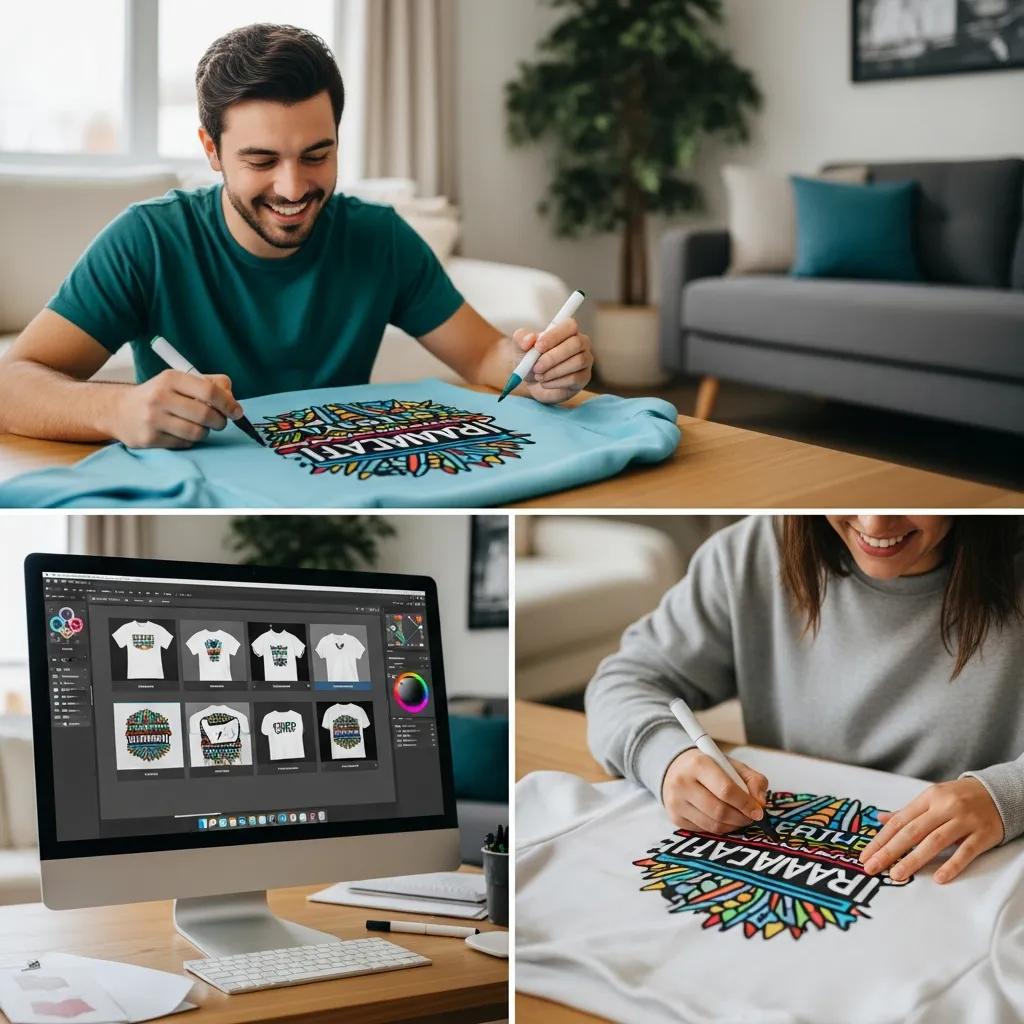
Personalization raises perceived value by making items feel bespoke — that boosts conversion and average order value when done well. Options like name embroidery, color choices, or custom text fields let buyers accept longer lead times and higher prices, but only if customization is clear and simple. Good mockups, step‑by‑step instructions, and examples of common inputs cut cart abandonment and returns. Sellers who standardize a few high‑converting personalization templates can scale via POD fulfillment, removing inventory risk and speeding iteration. That operational flexibility lets designers run seasonal drops and limited collections that keep repeat buyers engaged and let you react to trends quickly.
Why Are Eco-Friendly and Sustainable Products Trending on Etsy?
Sustainable products trend because buyers associate responsible materials and low‑impact production with long‑term value — and they actively search for items marked recyclable, organic, or upcycled. On Etsy, categories like upcycled decor, organic apparel, and low‑waste home goods perform best when sellers communicate material provenance, care instructions, and shipping choices that minimize waste. Transparent photos of materials, brief origin notes, and clear certification claims let sellers command higher prices. For POD sellers, offering eco‑friendly base materials and compostable packaging in partner catalogs can be a real differentiator. State sustainability clearly in titles, attributes, and the first lines of your listing so the product surfaces for eco‑conscious searches.
Which Etsy Niches Are Most Profitable in 2026?
Top‑selling Etsy niches in 2026 mix emotional demand, repeat purchase potential, and suitability for scalable production like print‑on‑demand or digital delivery. These niches are resilient: custom apparel for self‑expression, personalized pet products that tap emotional spending, eco‑friendly household goods, digital products with no inventory, wedding items with high AOV, and home decor tied to current style cycles. When you choose a niche, weigh demand drivers, average price point, and POD margin friendliness so your choice matches your capacity and growth goals.
The most profitable Etsy niches for 2026 are:
- Custom apparel — repeatable SKUs and healthy margins via POD.
- Personalized pet products — emotional buys with strong bundling potential.
- Sustainable goods — premium positioning and loyal customers.
- Digital products — low overhead, high margin, and great cross‑sell potential.
- Wedding items & favors — event timing with higher average order values.
- Home decor customization — style‑driven purchases that support upsells.
Below is a quick comparison to help you pick the right niche for a POD‑first approach.
Intro to comparison: The table compares demand drivers, average price cues, POD margin friendliness, and example SKUs so you can see which niches best fit a POD model.
This snapshot shows how POD makes experimentation low‑risk and protects margins — especially for apparel and smaller personalized items. Pick the niche that matches your design strengths and your readiness to manage custom options.
What Makes Custom Apparel a Top-Selling Etsy Niche?
Custom apparel sells because garments offer obvious personalization hooks — names, dates, inside jokes — and they suit limited drops and seasonal collections that drive repeat visits. 2026 apparel trends lean toward nostalgic graphics, clean embroidered details, and bold but simple slogans that resonate with micro‑communities. Pair strong visuals with one‑click customization and conversion improves. POD keeps baseline production predictable and lets you add upsells like gift wrap or faster fulfillment. To optimize listings: use multiple mockups showing fit and personalization areas, include size guides, and pick smart defaults for text fields to reduce buyer hesitation. Top apparel shops treat each design as a template to iterate quickly on trends and customer feedback.
Swagify’s fit: If you want to test apparel ideas without inventory, Swagify’s POD catalog and mockup tools simplify creating and fulfilling custom t‑shirts and hoodies so you can scale experiments faster.
How Are Personalized Pet Products Capturing Etsy Buyers?
Pet products win via emotional storytelling and useful customization — owners buy items that celebrate or memorialize their pets, which makes bandanas, printed portraits, and personalized bowls strong sellers. Listings convert best when they clearly show personalization (name, breed illustration, color) and suggest complementary products to boost AOV, like owner‑and‑pet tees or bundled grooming items. Many pet SKUs sit in a mid‑price bracket that supports gift margins and bundle discounts. Segmenting audiences (new pet owners, memorial buyers, gift shoppers) and tailoring messaging increases repeat business. High‑quality mockups and clear sizing for pet accessories lower returns and build buyer confidence.
Swagify’s fit: Swagify’s POD catalog includes pet‑focused SKUs that you can customize and fulfill on demand, letting sellers run seasonal promos without holding inventory — handy for holidays and adoption anniversaries.
How Can Digital Products Boost Your Etsy Shop in 2026?
Digital products give sellers scalable, low‑overhead revenue and create easy cross‑sell paths to physical items. A digital product is a file or license delivered instantly — printable wall art, planner templates, SVG files, or prompt packs — and they convert well when paired with polished mockups and clear licensing. Benefits are clear: passive income, almost no fulfillment cost, and quick niche testing. Pairing downloads with printed companions — branded notebooks, printed planners, framed prints — turns one‑time buyers into higher‑value customers and increases lifetime value.
Digital product benefits:
- Passive income: files sell repeatedly with no per‑order production cost.
- Low overhead: no inventory, storage, or shipping for the digital item.
- Cross‑sell potential: offer printed companions to boost AOV.
Summary: Digital‑first sellers should prioritize high‑quality files, clear instructions, and simple license language to avoid disputes and maximize conversions. Next, we’ll show how physical branding partners complement digital offerings.
What Are the Best Digital Product Ideas for Etsy Sellers?
High‑converting digital products in 2026 focus on utility and instant gratification: printable planners and calendars, editable templates for small businesses, printable wall art, SVG cut files, and social‑media template packs. File and delivery choices matter — supply high‑res PNGs or layered PSDs for art, PDF+PNG bundles for planners, and ZIP archives for multi‑file products; always include a clear personal vs. commercial license. Pricing typically ranges from $3 to $50 depending on complexity and included assets; tiered bundles increase perceived value and AOV. Strong product pages show lifestyle mockups, an example file, and straightforward printing or editing instructions to reduce buyer confusion and negative reviews.
How Does Swagify Support Digital Product Sellers with Custom Branding?
Swagify helps digital creators by offering printed companion products — notebooks, printed planners, merch — so you can turn digital fans into merch buyers. For example, sell a downloadable planner and offer an optional printed, bound edition fulfilled by a POD partner, maintaining branding without holding stock. That combo increases lifetime value by serving both instant‑download buyers and those who want a tactile product. Operationally, single‑source mockups and partner fulfillment simplify ordering and make A/B testing physical variants fast and affordable.
Transition: With digital and physical tactics aligned, the same cross‑sell and POD strategies work well for wedding and home decor niches where timing and style matter.
What Opportunities Exist in Home Decor and Wedding Niches on Etsy?
Home decor and wedding niches remain dependable revenue channels because style matters and events create urgency. Sellers who clearly signal aesthetic intent and offer personalization can capture higher price points. Home decor in 2026 favors cozy minimalism, natural textures, and mixed‑media wall art that blends printed pieces with handcrafted touches. Wedding demand centers on favors, signage, and bridal‑party gifts that are personalized and often bought in bundles. For both markets, POD and small‑batch runs solve inventory challenges — you can offer customized signage or favors on demand and scale around peak seasons without big upfront costs. Effective listings use style keywords, scale‑appropriate mockups, and transparent lead times for event buyers.
Which Home Decor Styles Are Trending on Etsy in 2026?
Trending home decor includes cozy minimalism (soft neutrals), natural‑texture accents like woven wall hangings, and personalized wall art that mixes typography with custom illustration. Product fits vary — cozy minimalism pairs with neutral printable art and linen throw covers; natural textures work well with hand‑printed pillows and storage totes; personalized wall art sells as framed prints or canvases. Use multiple lifestyle mockups to show scale, list materials and care details, and suggest complementary pieces to increase cart size. Clear style labels help shoppers find items that match their room mood and encourage bundles for a cohesive look.
How to Leverage Personalized Wedding Items for Etsy Success?
Personalized wedding items convert when sellers offer clear customization flows, upfront lead times, and cohesive packaging that makes gifting easy. Top SKUs include favors, custom signage, and bridal‑party gifts with names or dates; tiered bundles (ceremony sign + favors + thank‑you cards) raise AOV and simplify decisions. Price according to customization complexity and fulfillment time — event buyers will pay more for guaranteed delivery and polished presentation. To scale, use POD and partner fulfillment for printed signage and favors, and keep a production calendar to avoid missed deadlines during peak wedding season.
Intro to list of seller priorities for these niches:
- Clear customization options with sample images.
- Transparent lead times and rush order choices.
- Bundling and upsell tactics to boost average order value.
These operational priorities help convert event buyers and keep clients coming back for future celebrations.
How Does Swagify Empower Etsy Sellers in Top Niches?
Swagify is a print‑on‑demand platform and resource center that helps creators sell custom products without inventory — covering apparel, drinkware, accessories, and office supplies that map to top Etsy niches. For Etsy sellers, Swagify delivers three core benefits: easy product creation with mockups and templates, inventory‑free scaling via POD fulfillment, and a broad product catalog for fast brand expansion. Use these capabilities to test personalization formats, launch seasonal collections, and convert digital buyers into merch customers while keeping overhead low. Below are concise benefits sellers can expect when they integrate a POD partner into their Etsy workflow.
Key benefits include:
- No‑inventory scaling: Launch SKUs without upfront stock and scale on demand.
- Design‑to‑mockup workflow: Rapidly create listing and ad assets.
- Product catalog breadth: Access apparel, drinkware, stickers, and office supplies to diversify offers.
Summary: Integrating a POD partner like Swagify lets creators focus on design and customer experience while outsourcing production and shipping, enabling faster iteration and more efficient niche testing.
Intro to EAV table: The following table maps Swagify product categories to common Etsy use cases and the primary seller benefit.
How Does Swagify Simplify Custom Product Creation for Etsy Sellers?
Swagify streamlines product creation with a clear workflow: upload a design, generate accurate mockups for listings, pick base products from the catalog, and route orders to fulfillment — all without holding inventory. Early mockups reduce listing friction and boost ad performance; partner fulfillment removes production headaches so you can focus on product‑market fit. Practical steps include preparing print‑ready files, setting up personalization fields in your listing, and testing a small SKU set to measure demand before scaling. POD enables fast A/B tests and limited drops that capture trend momentum while keeping financial risk low.
What Are the Benefits of Print-on-Demand for Scaling Etsy Businesses?
Print‑on‑demand lowers upfront cost by switching production to a per‑order model, cutting inventory risk and improving cash flow for sellers who want to test multiple designs or seasonal lines. Compared with traditional inventory, POD lets you offer a wider SKU range with minimal storage and iterate quickly from sales feedback. Operationally, reliable POD partners streamline fulfillment and returns and let you scale promotions or creator collaborations without bulk commitments. For growth‑minded Etsy shops, POD is a strategic lever to diversify product lines, launch merch, and respond to shifting tastes without heavy manufacturing spend.
Final transition: With niche ideas, cross‑sell tactics, and POD workflows in hand, sellers can prioritize experiments that match their creative strengths while using fulfillment partners to scale sustainably in 2026.
Frequently Asked Questions
What are the advantages of using print-on-demand (POD) for Etsy sellers?
Print‑on‑demand reduces upfront cost and inventory risk. You can launch products and test designs without buying stock, iterate quickly from customer feedback, and scale SKUs on demand. POD also simplifies fulfillment and shipping, so you spend more time on marketing and product development instead of production logistics — a big help when you’re testing niche ideas or running seasonal drops.
How can sellers effectively market personalized products on Etsy?
Use crisp visuals and clear copy that show customization in action. Lifestyle mockups help buyers imagine the product in their lives; step‑by‑step customization notes reduce friction. Optimize titles and tags for personalization keywords, tell a short maker story to build trust, and highlight reviews that mention the customization experience. Fast replies to questions and clear sample images will increase conversions.
What role does social media play in promoting Etsy shops?
Social media is essential for visual discovery and community building. Instagram and Pinterest work well for product storytelling and driving traffic; short videos and process shots build authenticity. Regular posts, targeted ads, and micro‑influencer partnerships can move the needle. Use social channels to gather user photos and reviews you can reuse in listings — social proof is powerful on Etsy.
How can sellers optimize their Etsy listings for better visibility?
Focus on relevant keywords in titles, tags, and the first listing paragraph. Use high‑quality images and multiple mockups, and fill out attributes and categories accurately. Keep descriptions concise but informative, call out materials and care, and update listings for seasonality or trends. Fast responses and positive reviews also improve search performance over time.
What are some effective strategies for cross-selling products on Etsy?
Bundle complementary items at a slight discount to encourage larger carts, and add “you may also like” suggestions on product pages. Create themed collections or seasonal sets that make purchasing multiple items easy. Follow up with customers via shop updates or social posts to promote related products, and consider offering limited‑time bundles at checkout to increase average order value.
How can sellers leverage customer feedback to improve their Etsy shops?
Ask for reviews and read them for common themes — quality, clarity of customization, packaging, and shipping times often point to quick wins. Use feedback to refine descriptions, improve mockups, or tweak personalization workflows. Reply to reviews (positive and negative) to show you care; visible responsiveness builds trust and repeat business.
Conclusion
The Etsy landscape in 2026 rewards sellers who combine personalization, sustainability, and smart digital strategies. By understanding these trends and using print‑on‑demand to lower risk, you can build unique offers that resonate with today’s buyers. Use the tactics in this guide to pick a niche, design repeatable SKUs, and run low‑cost experiments that reveal what sells. Ready to explore your niche and grow your Etsy shop? Start small, iterate fast, and let fulfillment partners handle the heavy lifting.