
Quick answer: A tumbler is a flat-bottomed drinking vessel without a stem and usually without a handle. Traditionally it meant a simple glass; today the word most often refers to an insulated travel cup, typically double-wall stainless steel with a lid, that keeps drinks hot or cold. Tumblers also come in plastic, glass and ceramic, in sizes from about 12 to 40 oz.
Below: the main types of tumblers, design features such as insulation, lids and handles, how to care for them, usage scenarios and options for customizing tumblers with a logo.
Table of contents
Understanding Tumblers
In this section, I will explain what a tumbler is and delve into its history. Tumblers have a unique place in the world of drinkware due to their specific design and the function they serve.
Definition and Function
A tumbler is a type of drinkware that is typically cylindrical. It can be made from various materials including glass, stainless steel, plastic, or ceramic. My role as a tumbler, in a practical sense, is to hold liquids. I serve hot beverages, like coffee, keeping them warm, as well as cold drinks, such as iced tea, keeping them cool.
Historical Context
Historically, the term “tumbler” referred to a cup with a rounded or pointed base. This clever design ensured that I, the tumbler, couldn’t be set down and left on a table, which prevented the contents from being spilled. Over the centuries, I have evolved from this original form into the stable, flat-bottomed design commonly seen today, though the spirit of preventing spillage remains integral to my design through features like secure lids.
Types of Tumblers
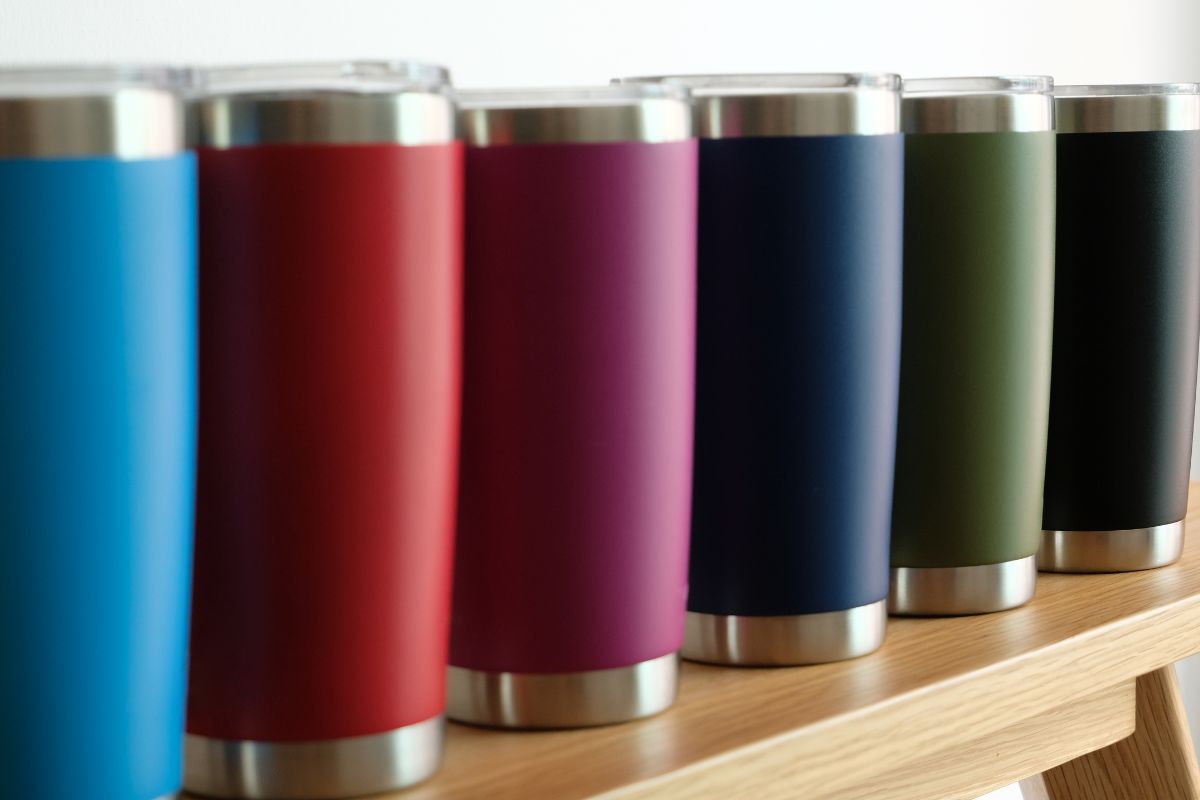
In my exploration of tumblers, I find that these portable drink containers are crafted from a variety of materials. Each material has distinct advantages for use. Whether for wine or any other beverage, the material choice impacts the insulation, durability, and aesthetic appeal of a tumbler.
Plastic Tumblers
Plastic tumblers are lightweight and resilient, making them a practical choice for outdoor activities. I observe that they tend to be cost-effective and are less likely to shatter if dropped. However, they may not offer the same level of insulation as other materials.
Glass Tumblers
Glass tumblers exude an elegance and purity, presenting beverages in their true form. Although glass provides an excellent taste experience, it requires care as it’s the most fragile of the materials and can be heavy.
Stainless Steel Tumblers
I find stainless steel tumblers to be remarkably durable and excellent at maintaining temperature over time. Many wine tumblers are made of this material for its insulating properties.
Ceramic Tumblers
Ceramic tumblers offer a classic look and are often used for hot drinks, capturing a homey feel. They do a good job of retaining heat, but, like glass, can break upon impact. I note they’re not as common as the other materials for portable use.
Design Features
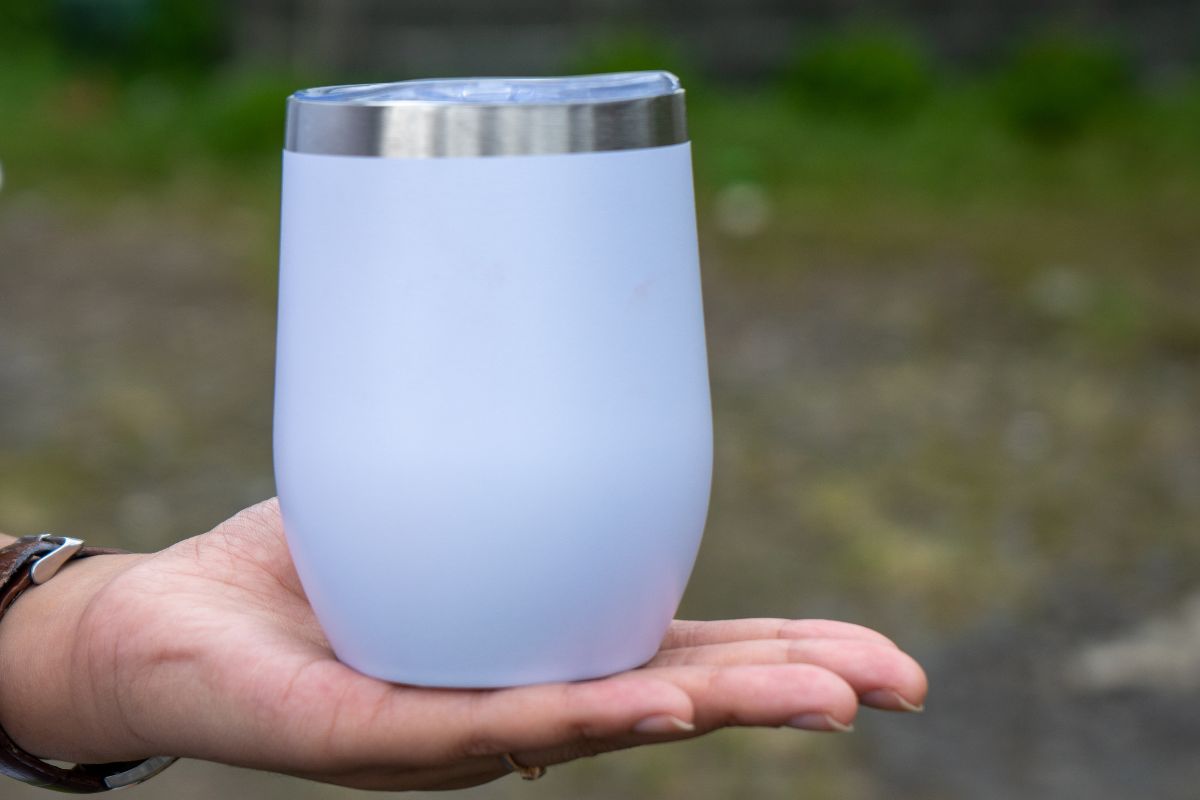
When considering the design features of tumblers, my focus is on the practical elements that enhance their functionality. The insulation techniques, lid types, and handle designs are integral to the overall user experience.
Insulation Techniques
Double-Walled Insulation: This design incorporates an air gap between two walls, which significantly reduces heat transfer. My tumbler retains hot or cold temperatures longer due to this feature.
- Vacuum Insulation: By removing air between the walls, my tumbler minimizes the conductive and convective heat transfer, which further improves temperature retention.
Lid Types
Plastic Lids: A common lid I use is the plastic lid, designed to be durable and often transparent. Some variants are equipped with a reusable straw, promoting eco-friendly habits.
- Magslider Lids: For additional convenience, my tumbler might come with a magslider lid. This type is magnetically sealed, making it easy to open and close, and it helps prevent spills.
Handle Designs
Fixed Handles: I find that fixed handles provide a sturdy grip, making my tumbler easier to hold, especially when on the move or driving.
- Detachable Handles: For a more flexible option, detachable handles on my tumbler can be removed when not needed. This allows for easier storage and cleaning.
Materials and Maintenance
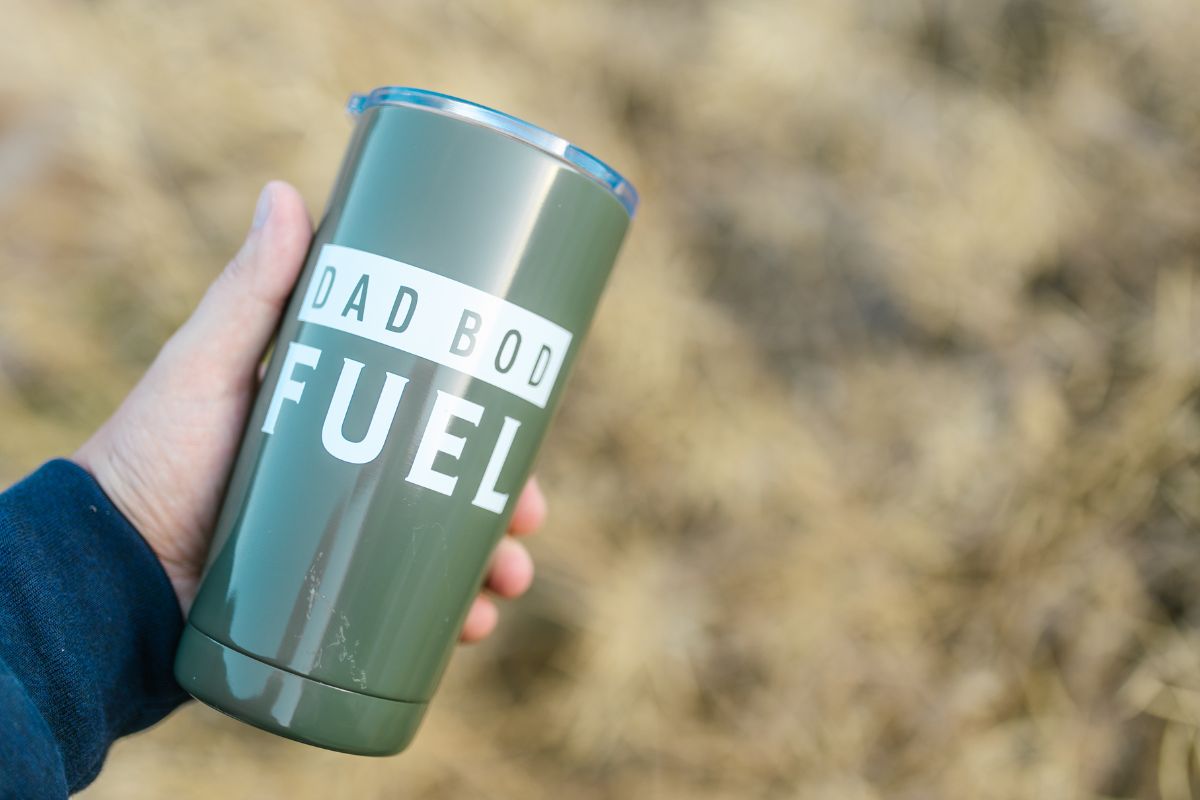
When selecting a tumbler, it’s crucial to consider the materials used and the maintenance required. My goal here is to inform you about the importance of these factors for long-term durability and hygiene.
Durability Factors
Materials:
- Stainless Steel: Stainless steel tumblers are highly resilient, corrosion-resistant, and often dishwasher safe. They also maintain temperature well and are durable for daily use.
- Ceramic Interior: Offers a taste-neutral vessel, often found as a coating inside some stainless steel tumblers. Ceramic interiors are less prone to retaining flavors from previous drinks.
Key Durability Considerations:
- Look for BPA-free plastics, which ensures safety and durability.
- Quality craftsmanship is essential for preventing leaks and increasing longevity.
Cleaning Instructions
Stainless Steel Tumblers:
- Daily Cleaning: Rinse with warm water and mild detergent; avoid abrasive sponges that can scratch the surface.
- Deep Cleaning: Remove tough stains with a baking soda paste or vinegar. Rinse thoroughly after cleaning.
Ceramic Interior Care:
- Use non-abrasive tools to avoid scratching the inner surface.
- Gentle cleaners are preferred to maintain the integrity of the ceramic coating.
Health and Safety
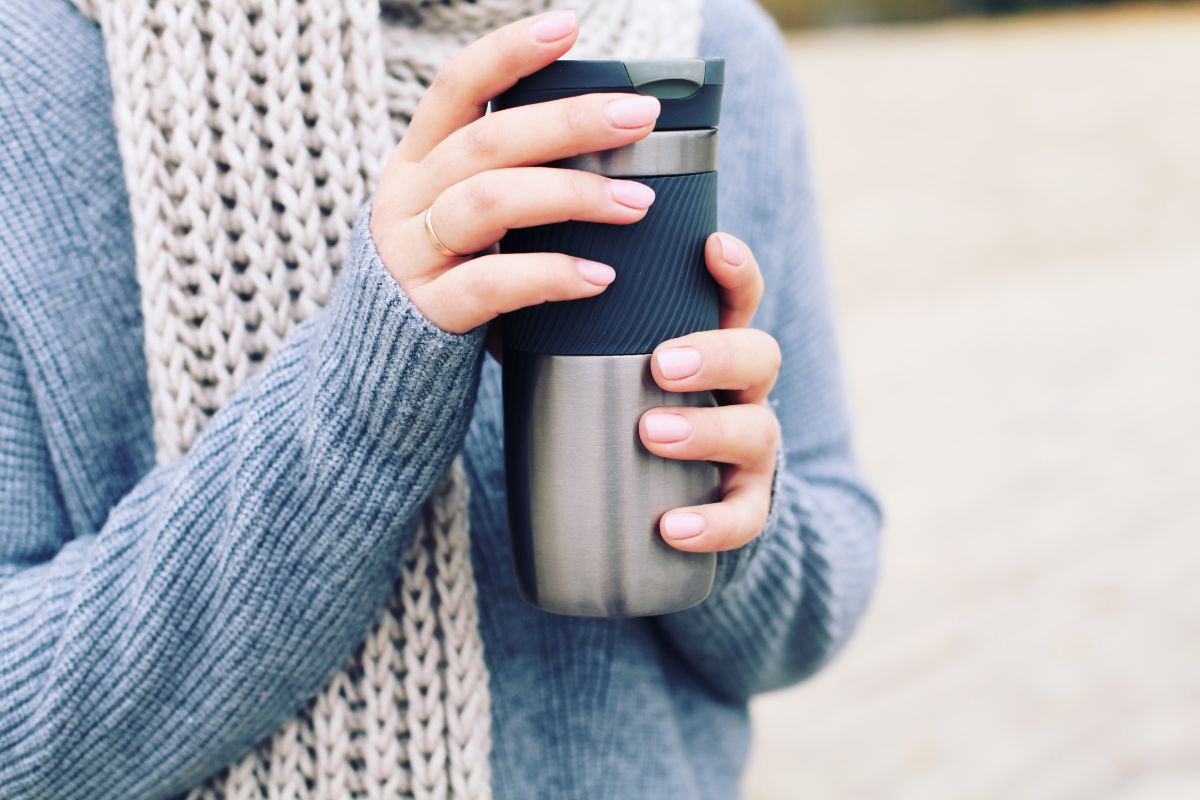
In considering health and safety aspects of tumblers, I focus on the materials used in their construction and the practicality of their designs to protect against spills.
BPA-Related Concerns
When evaluating the safety of tumblers, BPA (Bisphenol A) is a chemical of considerable concern. Historically, BPA has been used in the production of certain plastics and can leach into beverages, potentially causing health issues.
I prioritize tumblers that are labeled BPA-free, ensuring that the risk of BPA exposure is minimized. For instance, tumblers made from stainless steel or those with a ceramic coating typically do not contain BPA.
Materials and their BPA content:
- Stainless Steel: BPA-free
- Ceramic Coated: BPA-free
- BPA-free Plastic: Specifically designed without BPA
Leak and Spill Prevention
A key functional attribute I look for in tumblers is their ability to prevent leaks and spills. A leakproof tumbler is essential for anyone who is on the move, as it ensures that the beverage stays inside the container even if it is turned upside down or jostled.
Spill-proof designs typically feature a lid with a sealing mechanism that prohibits the liquid from escaping. This not only maintains the integrity of my bag or car but also upholds my personal hygiene and prevents potential accidents.
Design elements conducive to leak or spill prevention:
- Tight-sealing lids
- Silicone or rubber gaskets
- Locking mechanisms
Consumer Considerations
When I select a tumbler, I evaluate its capacity and how comfortable it will be to use during my daily activities.
Capacity and Size Options
In my experience, tumblers come in a range of sizes, typically from 12 ounces to 40 ounces. For those who prefer a smaller drink or a lightweight option, a 12-ounce tumbler generally suffices.
On the other hand, high-capacity tumblers of up to 40 ounces appeal to those needing more volume without the need for refills. Below is a brief overview of common tumbler sizes:
- 12-ounce – compact and fits most cupholders
- 16 to 24-ounce – intermediate sizes for regular use
- 30 to 40-ounce – larger sizes for extended outings
Comfort and Convenience
I’ve noticed that a tumbler’s comfort in my hand is as important as its insulation properties. A 20-ounce tumbler might feel unexpectedly heavy and unwieldy for its size.
To ensure comfort, I opt for tumblers with ergonomic designs and gripping surfaces that are easy to hold. An ideal tumbler is one that’s not too heavy, even when full, and can comfortably fit in my hand.
For convenience, I seek out tumblers that easily fit into my car’s cupholders and have a design that makes them simple to use, such as a splash guard to prevent spills.
Tumblers that are too wide or awkwardly shaped might not sit securely in cupholders, which is a common frustration.
Usage Scenarios
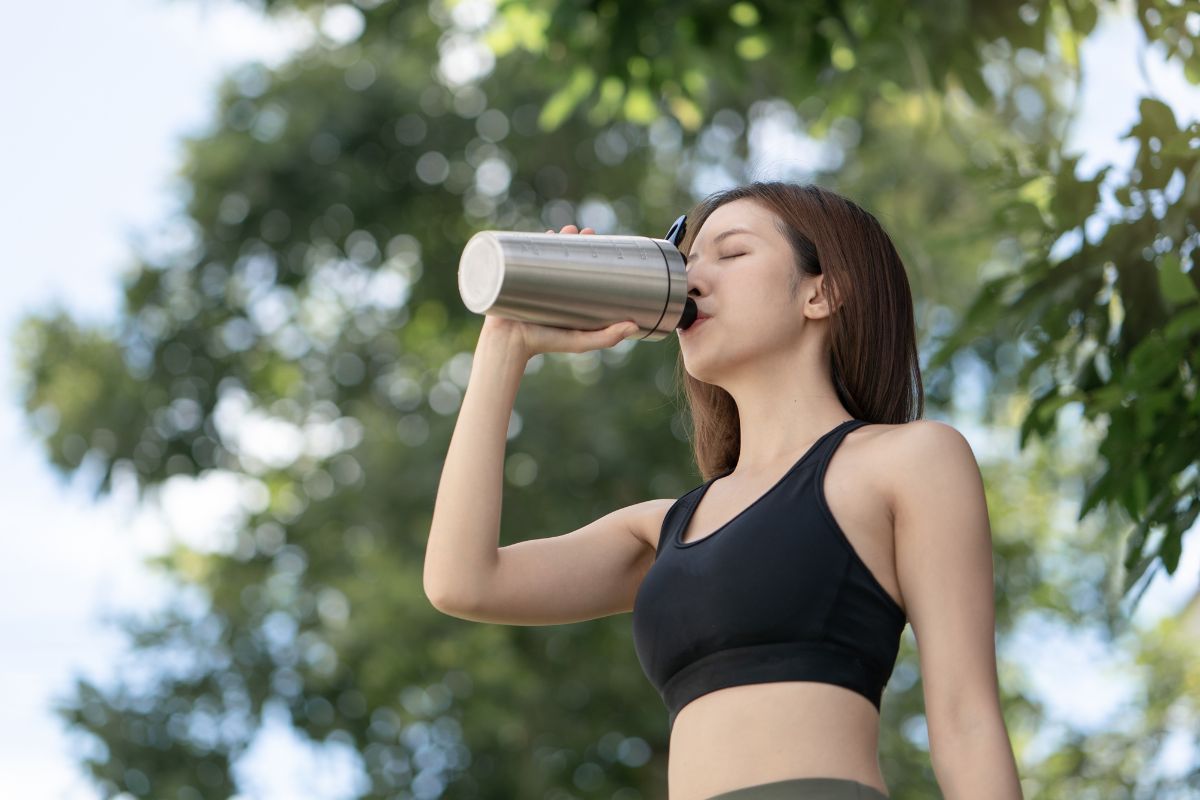
In everyday life, I find that a tumbler’s versatility shines through its varied usage scenarios, catering to both my hot and cold drink preferences with ease.
Outdoor Activities
When camping or hiking, I rely on an insulated mug, such as the Fellow Carter Everywhere Mug, to keep my coffee or tea at the perfect temperature regardless of weather conditions.
Its sturdy construction withstands the demands of outdoor use. I also appreciate a mug like the MiiR Flip Traveler during a long trek; its secure lid prevents spills, and its insulation is ideal for maintaining the temperature of my hot drinks on chilly mornings or refreshing cold drinks during warmer afternoons.
Commuting and Travel
While commuting, it’s essential to have a leak-proof tumbler that fits snugly in my car’s cup holder.
I opt for a tumbler with a slim profile and a reliable sealing mechanism that ensures my beverages are safe from spillage. Whether it’s a hot cappuccino to jumpstart my morning or an iced tea to unwind on the ride home, having a high-quality tumbler makes my trip more enjoyable.
Home and Office Use
At home or in the office, I seek convenience and functionality in a tumbler. For my day-to-day use, I prefer a tumbler that is:
- Microwave-safe: To quickly reheat my coffee or tea if it gets cold.
- Dishwasher-friendly: For hassle-free cleaning.
- Aesthetically pleasing: To match my personal style or office environment.
The ability to transition from home to office without changing containers is a subtle benefit of a well-chosen tumbler. Plus, the environmental aspect of using a reusable mug instead of disposable cups contributes positively to my eco-friendly lifestyle.
Advanced Features
I’ll be uncovering the technological advancements and customization options that modern tumblers offer. These features have transformed tumblers from simple drinking vessels into highly sophisticated accessories for both everyday use and specialized applications.
Technological Innovations
Today’s tumblers are a marvel of engineering, often featuring double-wall vacuum insulation. This design element is vital—it’s the heart of what keeps beverages hot or cold for extended periods.
The vacuum insulated technology means that there is no matter between the two walls of the tumbler, reducing heat transfer through conduction. Some tumblers also incorporate a ceramic coating inside, which serves as a taste-neutral layer preventing any alteration in flavor for beverages.
- Key Technological Features:
- Double-Wall Vacuum Insulation
- Ceramic Coating Inside
Another innovative technology I’ve noticed in insulated tumblers is the use of triple-layered designs in some high-end models. This adds an extra layer of insulation, pushing the boundaries of thermal retention even further.
Customization Options
Customization infuses personal style and utility into an insulated tumbler. I find that manufacturers offer a variety of options to tailor the tumbler to the user’s preferences or branding needs.
Common customization features include a wide range of colors, patterns, and the ability to add logos or text through different methods like laser etching or screen printing.
- Customization Choices:
- Colors: A spectrum from subtle to vibrant hues
- Patterns/Designs: Camouflage, floral, abstract, and more
- Personalization: Laser etching, screen printing for text and logos
The option of attaching various types of lids that serve different purposes is also something I find particularly useful in terms of customization.
These lids enhance the functionality of the tumbler depending on the setting it’s used in, whether it’s outdoors or during my commute.
Custom tumblers on Swagify
Insulated tumblers are one of the most popular branded drinkware items because they are used daily. Listed starting points (per piece at the minimum quantity):
| Product | Minimum order | Listed price per piece at the minimum | Decoration |
|---|---|---|---|
| 30 oz Intrepid Recycled Tumbler | 36 pcs | $11.83 | Laser Engraving, Full Color Small, Silk-Screen |
| 20 oz Elate Himalayan Tumbler | 36 pcs | $17.29 | Laser Engraving, Full Color Small, Silk-Screen |
| 20 Oz. Himalayan Tumbler | 36 pcs | $20.88 | Full Color Small, Laser Engraving, Full Color, Silk-Screen |
| 30 Oz. Intrepid Recycled Stainless Steel Tumbler | 36 pcs | $23.08 | Laser Engraving, Full Color Small, Silk-Screen |
| 20 Oz. Full Color Himalayan Tumbler | 36 pcs | $29.41 | Full Color Small |
How ordering works on Swagify
- Choose the product, colors and quantity. The price table on each product page shows where the next price break starts.
- Customize it. Pick the decoration method and imprint location, then upload your logo (a vector file prints cleanest) and add any design instructions.
- Request a proof if you want one, then choose a delivery date. Proofs are optional; if you request one, production starts only after you approve it. Standard production is 7–10 business days (counted once payment clears and any proof is approved), plus 3–5 business days for standard ground shipping, so plan on roughly 2–3 weeks door to door.
Browse custom drinkware and custom tumblers. More guides on this topic: Drinkware & Bags hub.
Frequently Asked Questions
In this section, I cover the most common inquiries related to tumblers, from how they differ from traditional mugs to their usage in various settings. Each question is addressed succinctly, providing clear and precise information.
How does a tumbler differ from a traditional mug?
A tumbler is typically a cup with a flat bottom and straight sides without a handle, while a traditional mug is often cylindrical with a handle and is designed for hot liquids.
What are the environmental benefits of using a tumbler?
Using a tumbler can reduce waste from disposable cups and is typically made of durable materials designed for long-term use, therefore, it’s a more eco-friendly choice for daily beverage consumption.
What purposes do steel tumblers serve?
Steel tumblers are valued for their insulation properties. They keep beverages hot or cold for extended periods, making them ideal for outdoor activities or travel.
What makes a cup qualify as a tumbler?
A cup qualifies as a tumbler if it has straight sides, a flat bottom, and is typically without a handle. It is designed for both cold and hot beverages.
In what ways are tumblers employed in gymnastics?
The term ‘tumbler’ in gymnastics doesn’t refer to a drinking vessel. Instead, it refers to an athlete who performs tumbling. Tumbling includes flips, rolls, jumps, and other acrobatic maneuvers.
Why are certain glasses called tumblers?
Some glasses are called tumblers because of their flat bottoms and tall, straight sides. These features distinguish them from other types of drinkware that may have stems or handles.
