Unleash your brand’s potential with custom promotional products. This ultimate guide reveals strategies for success using branded promotional items effectively.
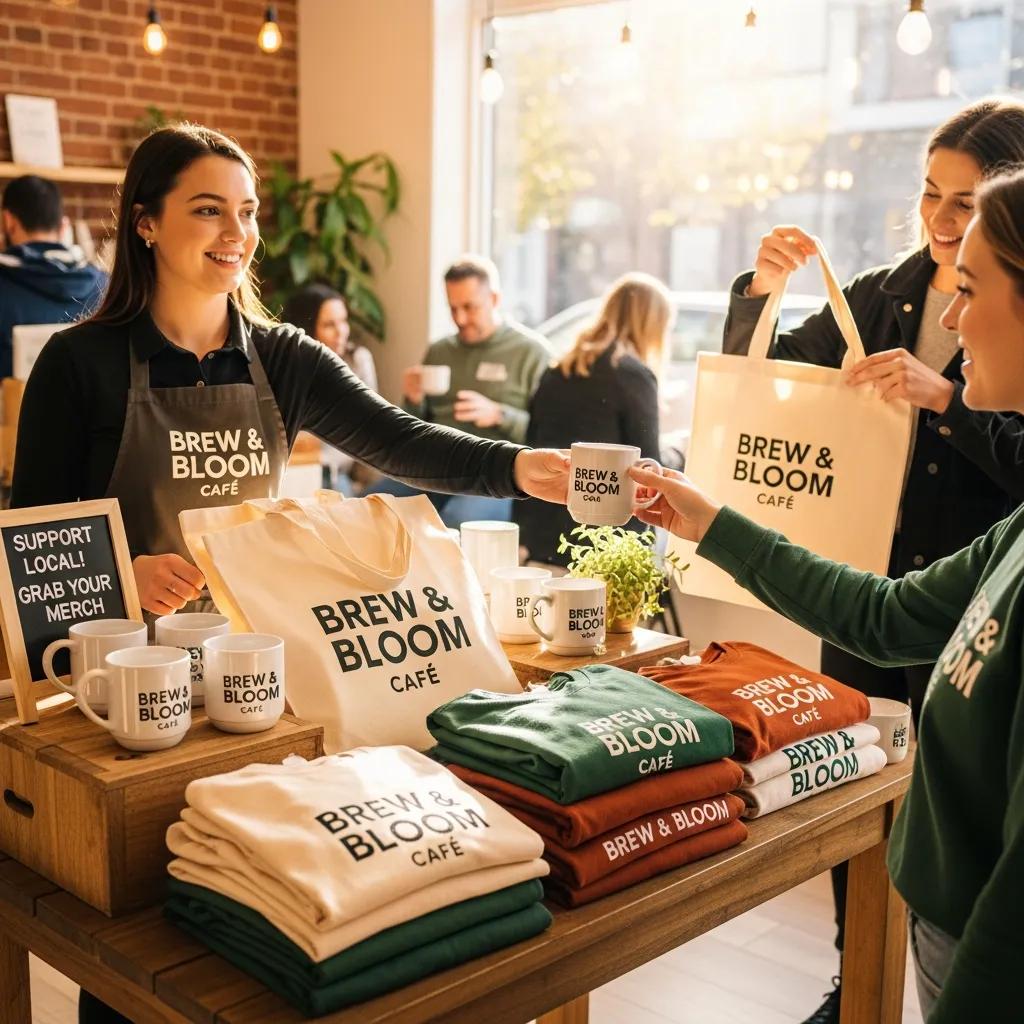
The Ultimate Guide to Branded Promotional Items for Success
Custom Promotional Products: The Small-Business Playbook to Boost Visibility and Sales
Promotional products are one of the smartest, most tangible ways small businesses build awareness and keep customers coming back. This guide walks you through what promo items do, which categories work best, how to design them, and practical distribution strategies. If standing out feels hard, smart swag can make your brand more visible, more memorable, and—when planned right—more profitable. We’ll also cover the trends shaping promotional merchandise in 2026 and beyond.
Why Are Custom Promotional Products Essential for Small Business Marketing?
Custom promo items give your brand a physical presence—something people touch, use, and remember. Tangible items act as ongoing reminders of your business, which helps build recognition and repeat custom. Studies back this up: 85% of people remember the branding on a promo item they received in the last two years—a strong case for adding promotional products to your marketing mix.
Promo items can also deliver impressive ROI. Giveaways and branded merchandise frequently boost sales and engagement: 83% of people like getting promotional products, and 69% can recall the brand on that item. Those impressions turn into awareness, loyalty, and more return visits when the product and message are well matched.
Swagify makes this process straightforward. Our print-on-demand platform helps small businesses design and sell custom products with no upfront inventory, so you can promote your brand without the typical overhead.
How Do Promotional Products Enhance Brand Awareness and Customer Loyalty?
Promo items extend your brand into customers’ daily routines. Useful items—like a tote bag or a reliable water bottle—turn users into walking advertisements and keep your logo in view. That repeated exposure builds familiarity, and familiarity builds trust.
High-quality giveaways also make recipients feel appreciated, which strengthens loyalty. Companies that hand out promo items regularly tend to see better retention and more word-of-mouth referrals. When customers feel valued, they’re likelier to buy again and tell others about you.
What Is the Return on Investment for Small Business Promotional Giveaways?
The ROI on promotional giveaways can be significant when you compare production cost to the revenue lift they generate. For example, spending $1,000 on promo items that help drive $4,000 in additional sales yields a 300% ROI. That kind of return shows why swag is more than a freebie—when used strategically, it’s a revenue tool.
Beyond immediate sales, promotional items spark conversations and referrals that compound over time. Those organic mentions expand your reach without extra ad spend, making promo products a long-term marketing asset.
What Are the Top Categories of Custom Promotional Products for Small Businesses?
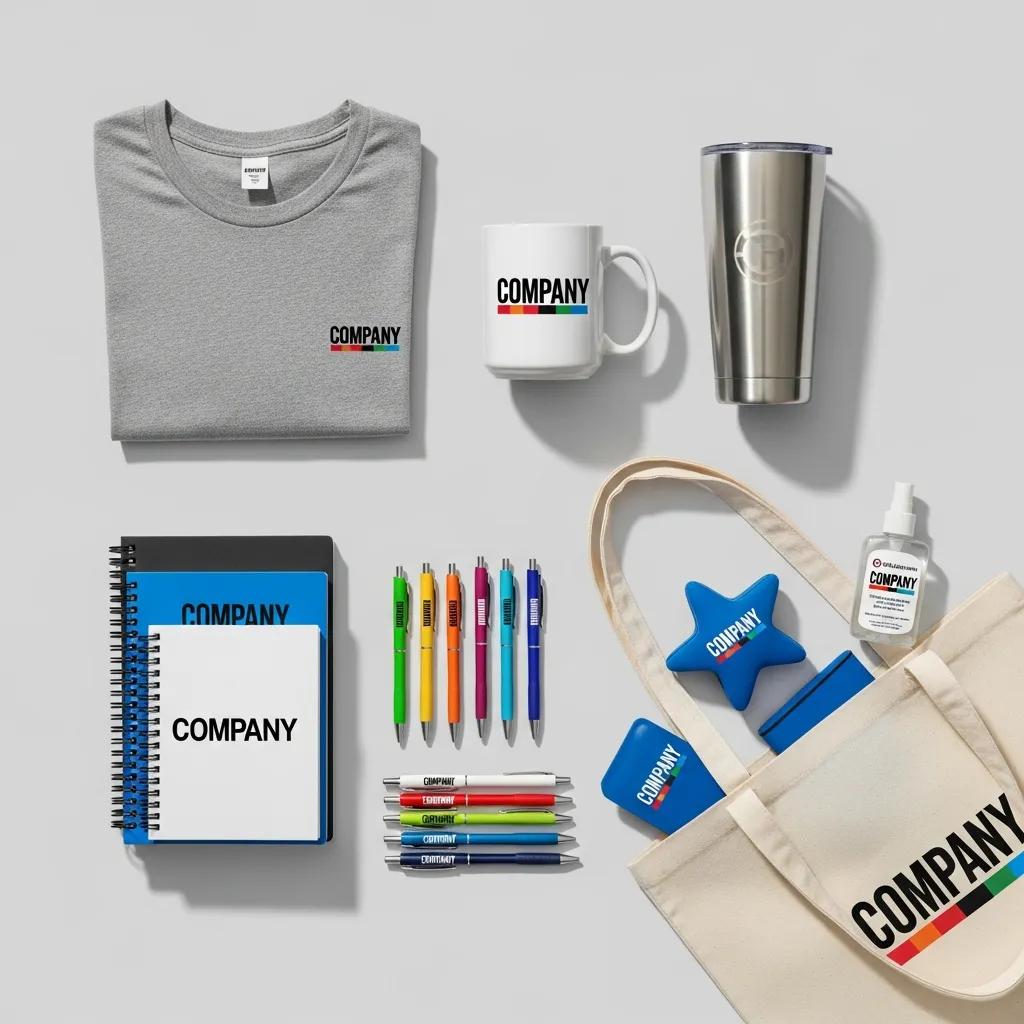
Choosing the right category depends on your audience and goals, but these four consistently perform well for small businesses.
- Custom Apparel: T-shirts, hats, and jackets turn customers and employees into brand ambassadors. Apparel works great at events, trade shows, and as part of a team-uniform strategy.
- Branded Drinkware: Mugs, tumblers, and reusable bottles are practical and seen daily—making them high-visibility choices that reinforce your brand every time they’re used.
- Promotional Office Supplies: Pens, notebooks, and desk accessories sit in plain sight, keeping your business in front of clients and customers during work hours.
- Bags: Tote bags, backpacks, and drawstrings get used repeatedly for errands and travel—offering recurring exposure in public settings.
Which Custom Apparel Items Are Most Effective for Branding?
T-shirts are a timeless choice because they’re widely worn and easy to customize. Hoodies and jackets add perceived value and comfort, often becoming favorites that get regular wear. Caps and hats are practical for outdoor events and everyday wear, too. When people wear your apparel, they promote your brand naturally—turning customers into advocates.
Apparel creates community. A well-designed piece can spark recognition, conversations, and repeat business.
What Branded Drinkware, Office Supplies, and Bags Should Small Businesses Choose?
Durable drinkware like stainless steel tumblers and reusable bottles hits the sustainability sweet spot and gets used often—great for eco-minded customers. For office supplies, focus on higher-quality pens and notebooks rather than cheap throwaways; useful items last longer and keep your brand top of mind. For bags, consider recycled or organic materials to signal sustainability while staying practical.
How Do Small Business Owners Choose the Right Promotional Merchandise Ideas?
Picking the right swag starts with knowing your audience, your budget, and your marketing objective. The best items match the recipient’s lifestyle and your brand promise.
What Factors Should Influence Your Promotional Product Selection?
Start with your audience: demographics, daily habits, and preferences matter. A tech audience will value phone accessories or USB drives; outdoor customers might prefer water bottles or backpacks. Budget matters, too—decide how much you’ll invest and choose items that give the most visibility per dollar. Practical, well-made products tend to be kept and used, which increases their marketing value.
Also think about context: event handouts, employee gifts, and online order inserts call for different items and price points.
How Can Personalized Company Swag Align with Your Marketing Goals?
Personalized swag reinforces your message. If sustainability is core to your brand, pick eco-friendly materials. If you want to reward VIP customers, create limited-edition or personalized items. Tailoring giveaways to a campaign, launch, or audience segment keeps them strategic—not just decorative.
When swag reflects your brand values, it deepens customer connection and supports broader marketing goals.
How to Design Custom Promotional Products That Make an Impact?

Impactful designs are clear, on-brand, and tailored to how the product will be used. Small details—placement, scale, and color—determine whether an item feels premium or forgettable.
What Are Best Practices for Logo Placement and Color Choices?
Place your logo where it’s readable in normal use—on a tote’s center panel, a tumbler’s side, or a shirt’s chest. Keep designs uncluttered so your brand stands out at a glance. Color choices should follow your brand palette but consider contrast and context: some colors read better on fabric, others on metal or ceramic. Remember: color evokes emotion—choose shades that match the message you want to send.
Match the design’s tone to the audience: playful graphics for younger crowds, clean minimalism for corporate clients. The right visual language boosts engagement.
How Can Small Businesses Use Print on Demand Services to Avoid Inventory?
Print on demand lets you produce items only when orders come in, cutting upfront costs and storage headaches. It’s ideal for testing designs, offering limited runs, or personalizing items for customers without committing to large stock levels.
Using print on demand makes it easier to iterate quickly and scale what works—so you can learn which items resonate without tying up capital in inventory.
Seeing the printing and supply chain landscape helps explain why on-demand models are so useful for modern promo strategies.
Printing Industry Supply Chain for Custom Products

The Indian printing industry now includes more than 250,000 printers across big, small, and medium operations. To stay competitive, businesses must watch changing supply-chain and technology practices closely. This paper examines supply-chain management, common issues, and the role of information technology in the printing sector.

Supply chain management practices in printing industry, G Acharyulu, 2014
What Are Effective Distribution Strategies for Small Business Promotional Giveaways?
Distribution determines who sees your swag and how often. Use a mix of channels—events, employee programs, online promotions—to maximize reach and value.
How Can Trade Shows, Employee Gifts, and Online Contests Maximize Reach?
Trade shows put your products in front of a focused, relevant audience; a strong giveaway can spark conversations and leads. Employee gifts turn your team into brand ambassadors and boost morale. Online contests and social campaigns create buzz and expand your reach quickly by encouraging shares, follows, and sign-ups.
Combining in-person and digital distribution amplifies impact and keeps your brand in more places over time.
What Are Tips for Tracking Success and Measuring Promotional Product ROI?
Set clear KPIs before you run a campaign. Track metrics like sales lift, website traffic, social engagement, and sign-ups tied to the giveaway. Use discount codes, landing pages, or QR codes on physical items to trace activity back to a specific promo. Customer surveys and follow-up emails can also reveal how recipients perceived the item and whether it influenced their behavior.
Collecting both quantitative and qualitative feedback helps you refine future campaigns and choose products that deliver measurable results.
What Are the Latest Trends in Custom Promotional Products for 2026 and Beyond?
Keeping pace with trends helps your swag feel relevant. Sustainability and tech integration are two major forces shaping modern promotional merchandise.
How Are Sustainability and Eco-Friendly Materials Shaping Promotional Merchandise?
Sustainability is now a decision driver for many buyers. Recycled, reusable, and biodegradable materials are increasingly popular because they reflect values and reduce waste. Choosing eco-conscious items signals your brand cares about long-term impact—and it resonates with customers who shop with values in mind.
Promos that combine utility with sustainability tend to be kept and used longer, which increases their marketing value.
What Role Does Technology Integration Play in Modern Promotional Products?
Tech-forward swag—wireless chargers, Bluetooth speakers, phone accessories—appeals to digitally minded customers and offers practical daily value. These items often stay in regular use, keeping your brand top of mind.
By blending tech and branding, you create memorable, useful items that customers are more likely to keep and recommend.
Custom promotional products remain a cost-effective way for small businesses to increase visibility and build customer loyalty. The key is choosing useful, on-brand items and distributing them strategically. Stay informed on trends, test what resonates, and iterate—well-chosen swag can become one of your most reliable marketing tools.
Frequently Asked Questions
What are the key benefits of using eco-friendly promotional products?
Eco-friendly promos help you connect with customers who prioritize sustainability. They improve brand perception by showing environmental responsibility and can stand out in a crowded marketplace. Recycled or biodegradable items also tend to attract positive word-of-mouth, which can lead to higher visibility and stronger customer loyalty.
How can small businesses effectively track the success of their promotional products?
Define KPIs tied to your goals—sales, website visits, sign-ups, or social engagement—and use tracking methods like unique promo codes, landing pages, or QR codes on items. Combine those metrics with customer feedback gathered through short surveys to understand both the reach and the perception of your products.
What are some innovative ideas for distributing promotional products?
Try social media contests, partnerships with local events, or including items in online orders as surprise gifts. Personalized mail-outs to loyal customers and pop-up activations at community events also work well. The most effective approaches align distribution with where your customers already spend time.
How can small businesses ensure their promotional products are memorable?
Focus on quality and usefulness—items people actually use get kept and talked about. Distinctive, on-brand design and limited-edition runs make items feel special. Personalization, even a small touch, can turn a giveaway into a keepsake.
What role does customer feedback play in selecting promotional products?
Customer feedback tells you what people will use and appreciate. Surveys and direct conversations reveal preferences and help you avoid spending on low-value items. Use that insight to prioritize products that match your audience’s needs and your marketing goals.
How can small businesses leverage technology in their promotional products?
Offer useful tech items—portable chargers, branded USB drives, Bluetooth speakers, or phone accessories—that fit your audience’s lifestyle. Tech products tend to stay in use and increase daily brand impressions, which makes them a strong choice for long-term visibility.
Conclusion
Smart promotional products give small businesses a tangible way to raise awareness, reward customers, and drive repeat business. Choose useful, on-brand items, distribute them where your customers are, and track outcomes so you can scale what works. Ready to make swag that actually moves the needle? Explore our range of customizable products and start building visibility today.