Unleash your creativity with personalized YouTuber merch! Explore innovative designs and find the best merchandise to connect with your audience today.
The Future of YouTuber Merch: Personalization & Innovation
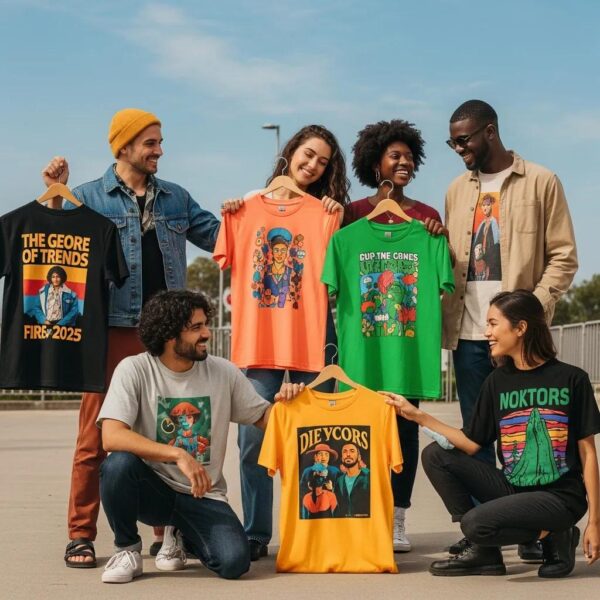
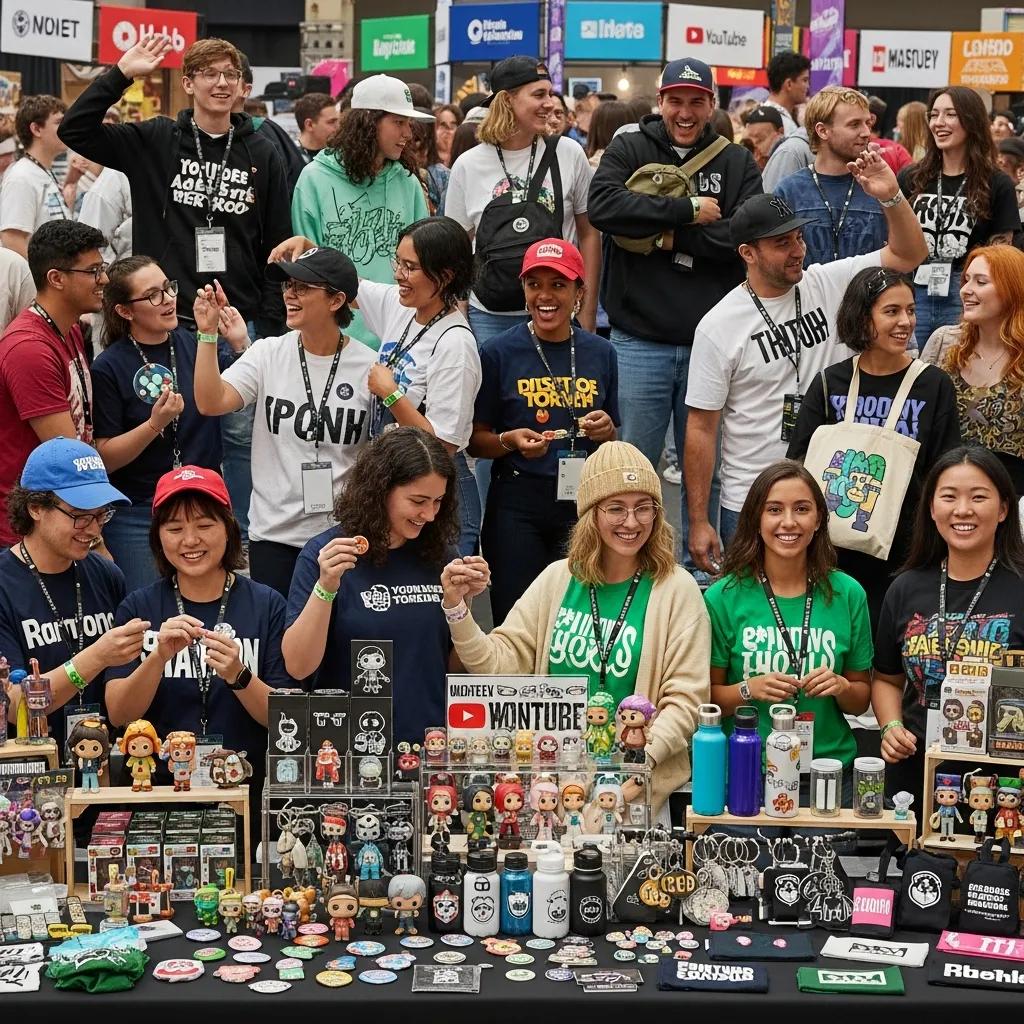
diverse fans wearing personalized youtuber merchandise showcasing community engagement and unique designs d121d7f6 432e 4943 9308 5ca87090d29b.webp
YouTuber Merch Trends 2026: Personalization, Sustainability & New Tech for Creators
YouTuber merch—apparel, accessories and collectibles made by creators—continues to evolve. In 2026 three forces are steering the market: deeper personalization, greener production, and new digital/physical tech. This article breaks down how those shifts affect product choices, design workflows, fulfillment and fan experience so creators can turn viewers into sustainable, scalable merch revenue while strengthening community identity. You’ll get practical personalization tactics (micro-variants, fan-driven drops), sustainability moves (material choices, low-waste packaging), and technology use cases (AI-assisted design, AR try-on, blockchain provenance) that improve conversion and brand equity. We also cover operational models—especially print-on-demand and SwagShops-style storefronts—that cut inventory risk and enable fast testing, plus launch and growth checklists for creators at every scale.
What Are the Key Personalization Trends in YouTuber Merchandise for 2026?
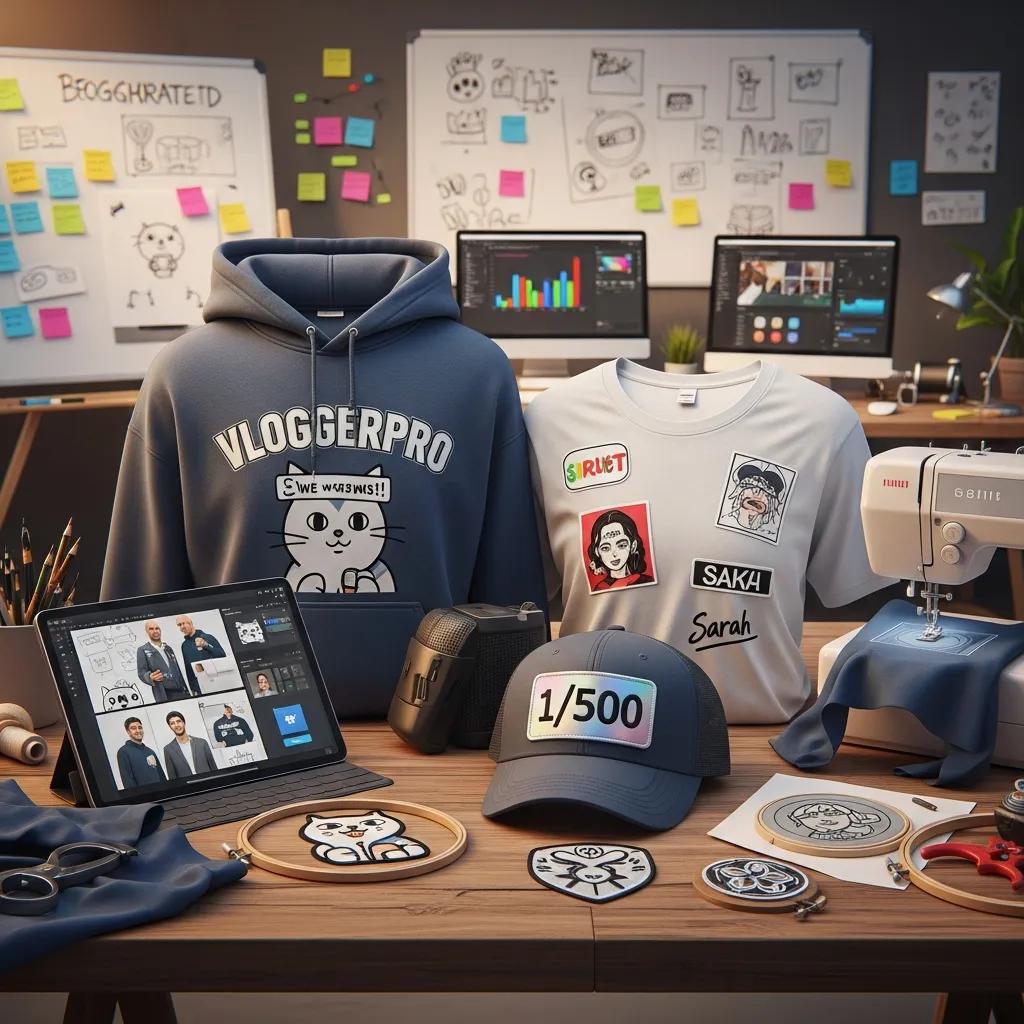
Personalization means tailoring products to individual fans or micro-segments through design variants, on-demand customization and co-creation. It raises perceived exclusivity, matches assortments to audience pockets and boosts conversion and average order value. Emerging approaches blend fast, automated templates with limited drops so creators can offer both evergreen basics and collectible runs that reward superfans. Micro-personalization—small motif tweaks, name-printing or regional colorways—lets you test demand without bulk inventory, while premium finishes like embroidery lift perceived quality for collaborations and higher-priced bundles. Below are the top personalization trends to watch in 2026, with short explanations for each.
- Micro-personalization: Small design tweaks or fan-name printing that give fans a sense of ownership.
- Fan-driven co-creation: Community votes and design input that fuel engagement and pre-sales.
- Premium finishes & limited editions: Embroidery, appliqué and signed pieces that support higher price points.
- AI-assisted design automation: Rapid mockups and trend suggestions to speed iteration and A/B testing.
These trends show personalization both strengthens fan identity and improves monetization. Knowing them helps you choose the right product mix and fulfillment approach as you scale while staying responsive to your community.
Intro to the personalization options comparison table: the table below lays out common personalization approaches, typical turnaround times and expected price impact so creators can choose the right balance between speed and margin.
Quick custom prints scale easily; handcrafted or premium finishes cost more but create stronger perceived value and collector appeal. Match options to campaign goals and what your audience will pay.
Why Does Personalization Matter for YouTube Creators and Their Fans?
Personalization turns passive viewers into active participants. When fans see their name, city or an inside-joke on a tee they feel noticed—this increases purchase intent and loyalty. For creators, personalization also generates first-party signals—size choices, favorite motifs and engagement data—that guide future drops and content. A simple example: a community-designed hoodie that sells out faster than a generic design shows how ownership plus scarcity drives conversion. Use those insights to balance personalization depth with operational feasibility.
How Are Custom Apparel and Unique Designs Shaping Creator Merch?
Merch is moving from giveaway swag to pieces that define a creator’s brand through silhouette, fabric and finish. Oversized fits, retro cuts and techniques like raised embroidery make merch feel like fashion, boosting perceived value and margins. Collaborations with artists or micro-influencers bring new narratives and audiences, while limited drops create urgency and collector behavior. These product choices should align with audience demographics and price sensitivity, informing inventory types and marketing cadence that feed back into personalization strategy.
How Is Sustainability Transforming Merch for Content Creators?
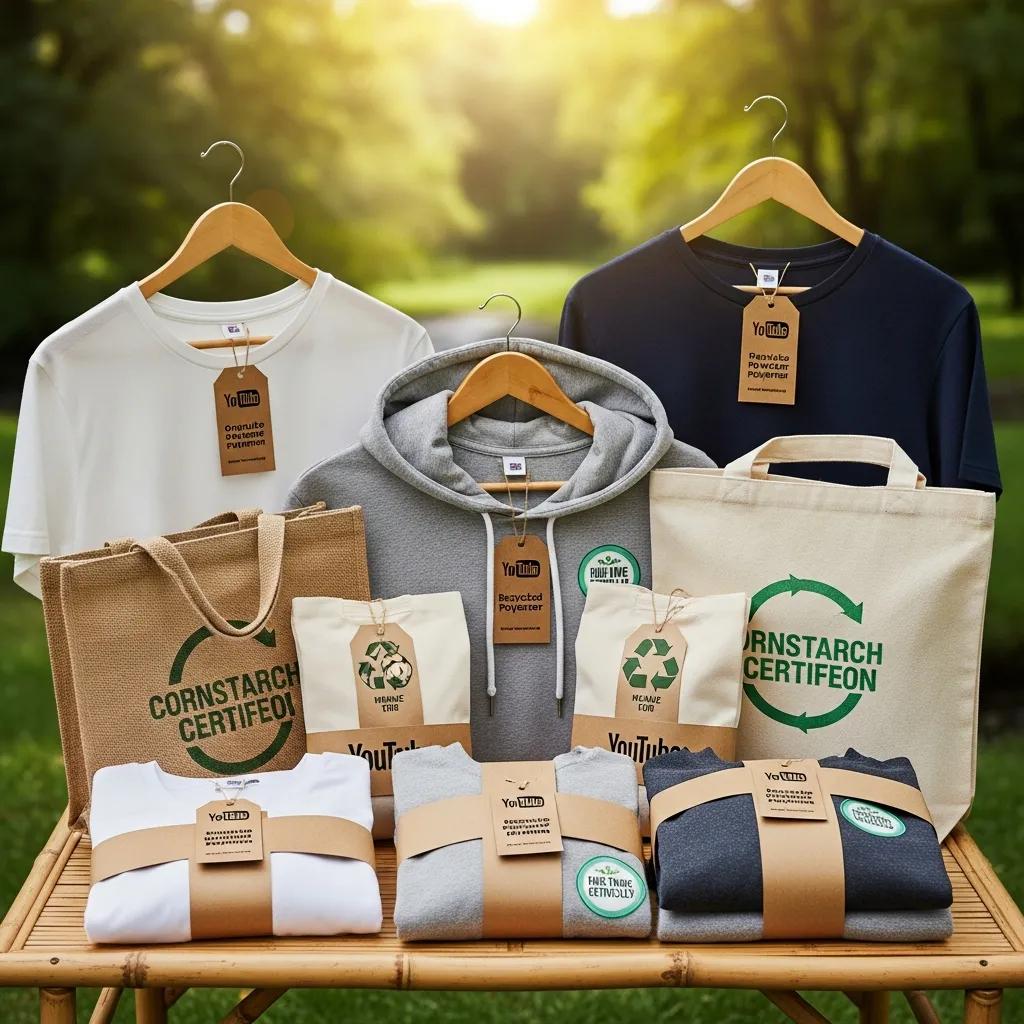
Sustainability means choosing materials, production methods and packaging that cut environmental impact while keeping style and margins intact. Audiences increasingly favor eco-conscious brands and will pay for transparent sourcing. Fans want clarity on materials (organic cotton, recycled polyester) and printing methods (water-based inks, low-waste dyeing), and creators who explain those choices build trust. Trade-offs exist—sustainable fibers can cost more or take longer—but they can also support premium pricing and long-term brand positioning. Below are concrete steps creators can take to make merch greener and more consumer-friendly.
- Pick eco-friendly materials for core SKUs, like organic cotton and recycled polyester.
- Choose low-impact printing methods such as water-based inks and direct-to-garment (DTG) where suitable.
- Cut packaging waste with compostable mailers, minimal branding and optional carbon offsets at checkout.
These actions align product strategy with audience values while helping manage margins. The quick material comparison below can guide sourcing decisions for core and premium lines.
Intro to the eco-friendly materials comparison table: this table compares common sustainable materials by environmental benefit and relative cost or availability to help creators decide where to start.
Organic cotton and recycled polyester are practical starting points; newer fibers like Tencel offer upside but may require higher price positioning and careful supplier selection to ensure consistent quality.
What Eco-Friendly Materials and Ethical Practices Are Used in Sustainable Merch?
Common eco choices include organic cotton, recycled polyester and regenerated fibers; ethical practices range from living-wage manufacturing to transparent supply-chain reporting. Water-based inks and digital printing cut chemical runoff and reduce excess inventory when used with on-demand production. Supplier audits and certifications add credibility where available. Test small runs to check fabric hand-feel, shrinkage and wash durability, and be honest with fans about trade-offs—transparency strengthens credibility and reinforces your brand story.
How Can YouTubers Implement Sustainable Packaging and Reduce Environmental Impact?
Swap to compostable mailers, minimize single-use plastics and design packaging that can be reused or kept as a collectible. Partner with fulfillment providers offering eco-friendly shipping or carbon-offset options to lower emissions without heavy infrastructure changes. Be specific in your messaging—list materials and practices rather than vague claims—and let fans choose lower-impact shipping at checkout. These packaging moves pair naturally with fulfillment models like print-on-demand that reduce oversupply and unsold stock.
Which Emerging Technologies Are Revolutionizing Influencer Merch in 2026?
AI, AR/VR, blockchain and 3D printing are changing how creators design, sell and verify merch. These tools automate repetitive tasks, create immersive previews and add provenance to limited drops. AI speeds mockups and trend prediction; AR/VR enables virtual try-on and showrooms that reduce returns; blockchain verifies scarcity for digital-physical hybrids; and 3D printing speeds prototyping and creates custom accessories. Below are quick examples of how each technology fits into the merch ecosystem.
- AI: Generates mockups, suggests palettes and forecasts high-performing designs.
- AR/VR: Lets fans try on apparel virtually or browse immersive product drops.
- Blockchain: Adds provenance and ownership metadata to limited releases.
- 3D printing: Produces custom accessories, prototypes and small-batch collectibles.
These use cases show how tech can boost authenticity and engagement while reducing operational uncertainty. Comparing options helps prioritize investments based on goals and budget.
Intro to the technologies comparison table: compare AI, AR and blockchain by application, creator benefit and implementation complexity to guide adoption choices.
AI delivers near-term operational ROI, AR/VR can lift conversion for premium SKUs, and blockchain is strategic for collector-focused drops and digital-physical pairings.
How Does AI Enhance Merch Design and Trend Prediction for Creators?
AI speeds design by producing multiple mockups from one concept, applying style transfer to match your visual identity, and forecasting demand from past sales and audience signals. Use AI to automate A/B tests of colorways and placements, then invest in the winners—this improves ROI on limited drops. Always include human review to protect brand voice and avoid off-brand or insensitive outputs.
What Role Do AR, VR, and Blockchain Play in Authenticity and Fan Experience?
AR and VR let fans preview fit and style digitally, increasing confidence and lowering returns. Blockchain can attach tamper-proof provenance to limited pieces and support digital twins for virtual ownership. Integration ranges from simple AR try-on filters in social apps to full VR pop-up showrooms; blockchain often pairs a physical item with an NFT that verifies edition numbers. Costs and UX differ—AR filters are relatively affordable and high-impact, while blockchain needs wallet onboarding—so pilot tech that matches your audience’s comfort level. These experiential layers work alongside POD and fulfillment choices to create a complete merch strategy.
Research highlights the lift AR virtual try-on can provide—especially when combined with influencer marketing—on consumers’ intent to buy.
AR Virtual Try-On & Influencers: Boosting Merch Sales

This study examines the influence of social media influencers and augmented reality virtual try-on on consumer purchase intention for L’Oréal lipstick products in Semarang. The study focuses on an influencer with strong relevance to the target market and uses AR virtual try-on to offer an interactive product experience.

The Influence of Social Media Influencers and Augmented Reality Virtual Try-On on Purchase Intention, A Aquinia, 2026
What Are the Benefits of Print-On-Demand for YouTuber Merch Stores?
Print-on-demand (POD) is an inventory-free fulfillment model: products are printed and shipped per order, eliminating upfront manufacturing runs and letting creators test designs with minimal financial risk. POD connects your storefront to fulfillment partners who handle production and shipping. It supports scalability—introduce micro-variants and limited drops without warehousing—and lowers barriers for creators without capital or fulfillment experience. The main benefits are lower inventory costs, simpler operations and faster iteration based on fan feedback, making POD a strong choice for creators experimenting with personalization and sustainable small-batch runs.
Industry analysis increasingly highlights POD’s strategic value, especially for more sustainable merch workflows.
Sustainable Print-on-Demand for Eco-Friendly Merch

This article reviews research and recommendations for becoming carbon neutral, delivering books cost-effectively, using print-on-demand, minimizing returns, and addressing pandemic-era supply chain issues. Recommendations include starting with paper and emissions assessments, emphasizing pre-orders and local delivery, limiting outsourcing to reduce disruptions, cutting print runs to lower returns, and using print-on-demand for proof copies and gap runs.

Publishing distribution practices: New insights about eco-friendly publishing, sustainable printing and returns, and cost-effective delivery in the US, R Noorda, 2022
Below is a concise summary of POD advantages, followed by practical considerations.
- No inventory: Items are produced only after purchase, reducing unsold stock.
- Scalability: Launch many designs and variants without warehousing constraints.
- Lower risk: Test markets and price points with limited financial exposure.
These benefits explain why creators favor POD for early launches and evergreen shop growth, and they lead into operational mechanics and vendor-selection guidance for reliable fulfillment.
Intro to POD mechanics: the mini-table below outlines the typical order flow and creator benefits to clarify how POD works for merch stores.
This shows POD shifts fulfillment to specialists, letting creators focus on design, marketing and community rather than warehousing and shipping.
How Does Print-On-Demand Enable Scalability Without Inventory Management?
POD automates the production pipeline: when a fan orders, the storefront sends the order to a partner who prints, packages and ships the item—removing the need for storage. Ensure quality by ordering samples and setting partner SLAs; lead times vary by partner and region, often from a few days to two weeks for specialty finishes. Set clear expectations about shipping and returns to maintain trust and monitor fulfillment metrics to catch issues early. This operational flow opens monetization and growth opportunities POD supports.
What Monetization and Community Growth Opportunities Does POD Offer Creators?
POD enables tactics like limited-time drops, member-exclusive merch and personalized bundles without inventory risk. Run pre-orders to measure interest, use POD to fulfill confirmed demand, and pair merch with digital perks (exclusive content or access) to increase ARPU. Bundles and seasonal drops lift average order value; personalization options like name-printing and color variants improve conversion. These strategies inform storefront and platform decisions that support long-term community monetization.
How Can You Launch a Successful and Future-Proof YouTuber Merch Store in 2026?
Launching a future-proof merch store in 2026 means a step-by-step plan balancing brand clarity, personalization, sustainability and reliable fulfillment. Start by defining brand pillars and target categories, then validate demand with small POD runs and community-driven tests. Early tasks include setting pricing and margin targets, choosing eco-friendly materials for core SKUs, and using AI for mockups and AR for virtual previews—each step reduces risk and builds operational know-how. For creators wanting simplicity, the core proposition is clear: launch, scale and sell custom products without inventory. The checklist below gives a practical week-by-week path to launch.
- Week 1–2: Define your brand, pick 3–5 core SKUs and set sustainable material priorities.
- Week 3–4: Produce initial designs, run AI-assisted mockups and order samples for quality checks.
- Week 5–6: Build your storefront (SwagShops-style), connect POD integration and prepare marketing assets.
- Week 7–8: Soft launch a community-driven drop, gather feedback and iterate for a wider release.
This timeline balances speed with quality controls so you validate demand before scaling and keep personalization, sustainability and tech aligned with audience expectations.
What Steps Are Essential to Set Up a Personalized and Sustainable Merch Shop?
Start with product selection and sustainable material choices, then move to design testing, pricing and logistics. Identify staple SKUs (t-shirts, hoodies, mugs) plus a few premium items for higher margins, and choose organic or recycled materials for core offerings where possible. Create samples and use AI mockups and AR previews to validate fit and look, then finalize pricing to cover POD costs, shipping and target margins. Plan launch tactics—pre-orders, limited drops and co-created designs—to build urgency and community engagement, and monitor fulfillment KPIs after launch.
How Does Swagify Support Creators with Custom Products and SwagShops?
Swagify is an e-commerce print-on-demand platform and resource hub that helps creators design, list and fulfill custom products without inventory overhead. Features include customizable assortments, POD fulfillment and SwagShops for quick store setup and management. Use Swagify’s design tools to create apparel and accessories—t-shirts, hoodies, mugs and stickers—and let integrated fulfillment print and ship orders as they come in. Swagify supports personalization workflows and sustainability options through product choices and fulfillment partners, making it easier for creators to launch and grow merch without large upfront investment.
Frequently Asked Questions
What are the main challenges YouTubers face when launching their merchandise?
Creators commonly struggle with understanding audience preferences, managing production costs and handling fulfillment logistics. Balancing product quality with price, cutting through marketplace noise and marketing effectively are ongoing challenges. Strong brand identity and steady community engagement are essential to overcome these hurdles and drive successful sales.
How can YouTubers effectively market their merchandise to their audience?
Use the channels where your audience already engages: social posts, behind-the-scenes content, unboxings and short-form demos. Run limited-time offers, giveaways and exclusive drops to create urgency. Collaborations and email campaigns help widen reach, and tying merch to a story that matches your channel strengthens emotional connection and drives purchases.
What role does community feedback play in merchandise development?
Community feedback is critical. Polls, surveys and comments reveal preferences that help you design products fans actually want. Co-creation builds ownership and increases the likelihood of sell-outs—when fans help choose designs, they’re more likely to buy.
How can YouTubers ensure the quality of their merchandise?
Research suppliers and fulfillment partners, order samples and inspect fabric, print and construction. Choose partners with good reviews and clear quality controls, and set up feedback loops and periodic audits to catch issues early.
What are the benefits of using eco-friendly materials in merchandise production?
Eco-friendly materials appeal to conscious consumers and can strengthen brand reputation. Options like organic cotton and recycled polyester support higher price points and loyalty, while reducing environmental impact. Clear communication about materials and sourcing reinforces trust.
How can YouTubers leverage technology to enhance their merchandise offerings?
Use AI for faster mockups and demand forecasting, AR for virtual try-on experiences, and blockchain for provenance on limited drops. These tools speed iteration, improve conversion and add authenticity—pick the ones that match your audience’s tech comfort and budget.
What are some effective strategies for managing inventory in merchandise sales?
Adopt print-on-demand to avoid upfront inventory, use data-driven forecasting to predict demand, and review product performance regularly. Adjust offerings based on sales and engagement to keep popular items available while avoiding excess stock.
Conclusion
Personalization, sustainability and emerging tech are reshaping YouTuber merch. By combining smart product choices, POD fulfillment and clear communication about materials and processes, creators can reduce risk, increase revenue and deepen fan loyalty. Start small, test with your community and iterate—those steps will help you build merch that’s profitable, future-proof and true to your brand.