Unlock your potential with our step-by-step guide to starting a clothing business from home. Learn how to launch with little to no investment today!
Step-by-Step Guide to Starting a Clothing Business from Home
Start an Online Clothing Business from Home — A Practical, Step-by-Step Launch Guide
Starting a small clothing business from home is realistic when you pick the right niche, build a repeatable product workflow, and use low‑cost tools that remove inventory risk. This guide walks you through every step — choosing a niche, comparing business models, shaping brand identity, designing print‑ready apparel, setting up an online store, connecting fulfillment, and marketing to grow sales. If you’re worried about upfront costs, production logistics, or finding customers, modern print‑on‑demand platforms and marketplace integrations let you test product‑market fit quickly with minimal investment. Follow this roadmap: define your niche and audience, pick a business model, craft your brand, design products to spec, launch a storefront hooked to fulfillment, then market and iterate. You’ll find hands‑on checklists, comparison tables, and tactical next steps to get live fast and iterate with confidence.
Standing out in a crowded online marketplace takes strategy — research supports why planning matters.
Launching an Online Apparel Brand: Strategies for Entrepreneurial Designers

The online apparel market is dense and growing, which makes it harder for small designers to get noticed. Independent brands can easily be overwhelmed by the noise of ads and generic content. This study uses case examples, secondary research, and visual analysis to explore paths a solo designer can take to build an attractive brand and sell original work. It compares platforms and approaches to identify options that preserve individuality while offering practical routes to market.

Dream It & Do It: A Look at the Online Apparel Business Market for Entrepreneurial Designers, 2019
How Do You Define Your Niche and Target Audience for a Home Clothing Brand?
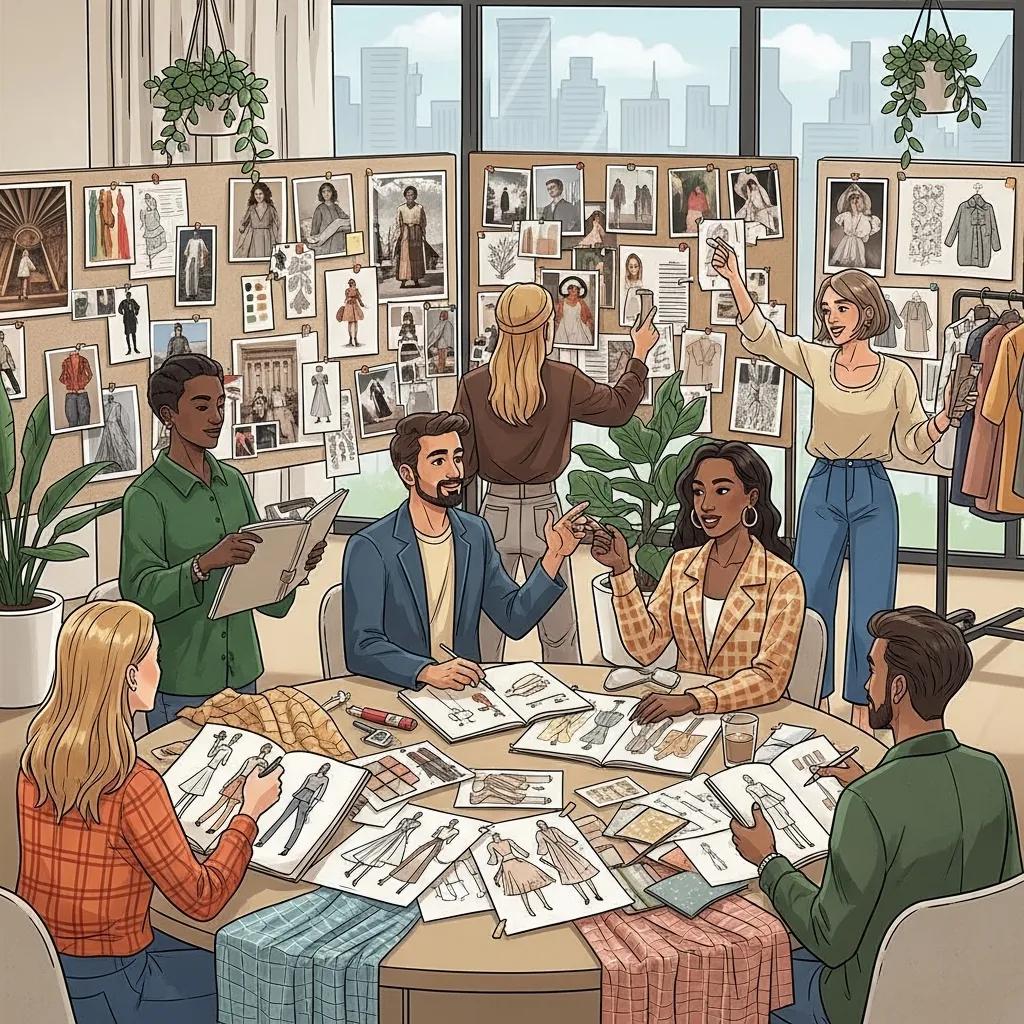
Defining your niche means focusing on a specific group whose needs your designs, price point, and voice solve. Narrowing your target reduces competition, improves ad performance, and makes testing simpler. A tight niche aligns product features, aesthetics, and marketing channels with clear customer motivations — and that alignment shows up in higher click‑through rates and better conversions. Start by scanning trends, auditing competitors, and listening to social conversations to spot gaps. Then validate demand with low‑cost experiments before expanding your line.
Choosing a clear USP and navigating market complexity are essential steps for sustainable growth.
E‑Commerce Models for Fashion Startups: Challenges & USP

For early fashion businesses, scaling in a complex retail landscape can be difficult. Challenges include maintaining an online presence, finding reliable production options, and building a sustainable revenue model. The journey starts by identifying a strong Unique Selling Proposition (USP) and pairing it with operational choices that support growth.

Create an E‑Commerce Sustenance Model for Start‑Ups and Aspiring Women’s Fashion Apparel Businesses, 2023
What Are Popular Clothing Niches to Consider?
Some niches work particularly well for home‑based brands because they pair clear audiences with personalization and print‑on‑demand compatibility. Examples to explore: sustainable and eco‑friendly apparel for conscious shoppers; streetwear and graphic tees for trend‑driven youth; activewear and loungewear for wellness audiences; and custom merch or promotional products for creators, teams, and events. Product ideas that map to these niches include organic tees, limited‑run hoodies, compression leggings, pet apparel, and branded tote bags.
How to Research and Identify Your Ideal Customer Demographics and Psychographics
Combine quantitative signals with qualitative listening to build actionable personas. Use search trends, social listening, and competitor audits to find consistent demand signals: steady search volume, high‑engagement posts, and active communities. Turn those signals into persona templates — age, income, habits, preferred channels, pain points, and values — and use them to set sizing, pricing, and voice. Then validate with low‑cost tests: landing pages, pre‑sales, or small ad campaigns to measure CTR, cost per lead, and early conversion intent. These metrics tell you whether to adjust product, creative, or audience before scaling paid ads.
Which Business Model Should You Choose: Print‑On‑Demand, Dropshipping, or Handmade?
Pick a model based on your budget, desire for product control, and how much operational work you want. Print‑on‑demand (POD) minimizes upfront inventory and lets you test designs quickly. Dropshipping sources finished goods from suppliers but gives you less control over quality. Handmade offers the most control and unique craftsmanship but requires time and production capacity. Each model affects margins, fulfillment speed, and how fast you can iterate — weigh those tradeoffs against your goals.
In short, POD often offers the fastest, lowest‑risk way to validate ideas. The next section digs into POD’s advantages and how a platform can simplify fulfillment.
What Are the Advantages of Print‑On‑Demand for Home‑Based Clothing Startups?
Print‑on‑demand lowers the barrier to entry by producing items only after a sale — no stock, no tied‑up capital. The workflow is simple: upload designs, list products, and let the POD partner handle printing and shipping. That lets you iterate designs, run A/B tests, and launch seasonal drops without inventory risk. POD also makes it easy to expand into promo items like mugs and totes without extra tooling, speeding time to market for home‑based entrepreneurs.
How Does Swagify’s POD Service Simplify Inventory and Fulfillment?
Swagify is built for creators and small brands: we handle printing, packing, and shipping so you never need to hold stock. Offer custom apparel and promo items — T‑shirts, hoodies, mugs, tote bags — test designs quickly, and let orders flow from your storefront to our fulfillment network automatically. That removes logistics work and frees you to focus on design, marketing, and growing your brand. For many home sellers, this workflow turns ideas into revenue with minimal overhead and faster iteration.
How Do You Create a Strong Brand Identity for Your Clothing Line?
A strong brand identity tells customers who you are and why it matters through your name, logo, voice, and story. Consistent visual and verbal cues across products, packaging, and marketing build recognition and trust — which helps convert first‑time buyers into repeat customers. Start with practical checks: shortlist names, verify domains and trademarks, create scalable logo mockups for print, and write a short voice guide. Then craft a brand story that connects emotionally with your target audience.
What Elements Make Up a Clothing Brand’s Name, Logo, and Voice?
A name should be memorable, easy to spell, and free of trademark issues. A logo needs to work at different scales — from chest prints to tiny tags. Voice defines how you speak: playful, premium, or community‑focused — and it should be consistent across product descriptions, captions, and emails. Practical steps: shortlist names, check domain availability, design vector logos for print, and document simple voice rules to keep every touchpoint aligned.
How to Develop a Compelling Brand Story That Resonates With Customers
Use a concise origin → purpose → outcome structure to explain why your brand exists and how it improves customers’ lives. Say what inspired you, the problem you solve, and the real benefit customers get from your product. Keep it authentic and brief, then repeat that story across your About page, product pages, and social launches. When your story matches your audience persona, customers buy into the identity — not just the garment.
How Can You Design Custom Apparel Using Swagify’s Tools and Product Range?
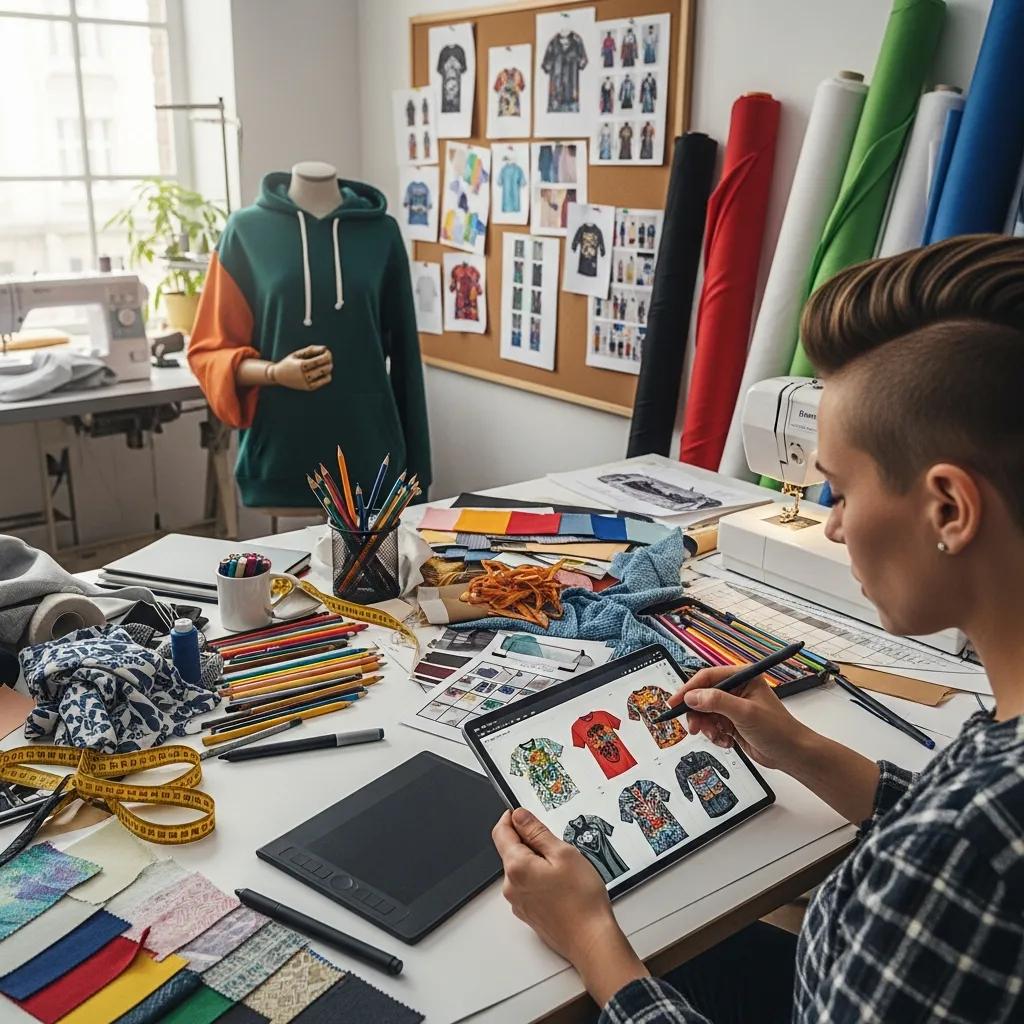
Good apparel design balances technical specs with a strong creative intent so the final item looks and fits as expected. Prepare high‑resolution files, use the correct color profiles, and respect print areas and bleeds. Design with the garment’s cut and audience in mind so graphics read at different sizes. After mastering file basics, pick products strategically — T‑shirts for volume, hoodies for higher average order value, promo items for bundles — and use mockups to confirm how designs translate to physical pieces.
What Are Best Practices for Designing T‑Shirts, Hoodies, and Promotional Products?
Combine technical prep with audience‑aware choices: export vector art or high‑res PNGs with transparent backgrounds, follow your printer’s color guidance (RGB→print specs), and keep artwork inside safe zones to avoid seams or hems. Scale matters — chest prints should be legible from an arm’s length, while left‑chest logos need simplified linework. For mugs and totes, use bold, high‑contrast artwork that reproduces cleanly on different materials. These steps reduce production issues and improve first impressions.
How to Use Swagify’s Customization Platform to Create Unique Apparel
Swagify streamlines product creation from template selection to publish, removing most technical setup. Pick a product, upload print‑ready artwork, preview mockups for placement and scale, and publish — we handle printing and shipping once orders come in. Save time with reusable templates, batch color variants, and social preview screenshots. This end‑to‑end flow lets you focus on testing designs and driving demand instead of fulfillment headaches.
What Are the Steps to Set Up Your Online Store and Integrate With Swagify?
Set up a storefront, configure product listings, and connect automated order routing so fulfillment happens without manual steps. Your store collects payment and sends orders to a POD provider, which prints and ships directly to customers. The benefits are predictable workflows, easier scaling, and support for selling across multiple marketplaces. Use the checklist below to pick the right platform and follow the integration steps for common options.
How to Choose the Right E‑Commerce Platform: Shopify, Etsy, or Swagify SwagShops?
Choose by control, discovery, and technical comfort. Shopify gives full control and scalability; Etsy brings built‑in marketplace traffic for handcrafted or niche items; Swagify SwagShops offers turnkey POD storefronts with integrated fulfillment. Consider fees, customization, and the audience each platform attracts. A common path is validating on a marketplace, then moving to a standalone Shopify store for brand control once demand is proven.
What Are Key Elements of Effective Product Listings and Payment Processing?
A strong listing combines a clear title, benefit‑focused description, accurate sizing, and quality images to reduce buyer friction and returns. Highlight material, fit guidance, care instructions, and a short brand snippet. Show multiple mockups that demonstrate fit and scale, and make shipping and returns transparent. For payments, enable trusted gateways, display security cues, and offer local currency or popular payment methods to lower abandonment and increase average order value.
How Do You Market and Grow Your Home‑Based Clothing Business?
Growth mixes discovery, conversion optimization, and retention. SEO and content drive long‑term discovery; social builds demand and social proof; email automation converts and keeps buyers coming back. Prioritize channels where your audience lives — for apparel, Instagram and TikTok often drive high engagement, while SEO and optimized product pages sustain organic traffic. The table below shows practical channel tactics and outcomes to prioritize your efforts.
Which SEO and Social Media Strategies Drive Sales for Clothing Brands?
Focus SEO on product discoverability and page experience: optimize titles, category pages, and structured data, and keep pages fast. On social, prioritize short videos that show styling, behind‑the‑scenes design, and customer testimonials to build trust and urgency. Track KPIs — organic sessions, conversion rate, average order value, and ROAS — and use them to refine creatives and targeting.
SEO and social tactics to implement:
- Optimize product pages: write clear titles, include size charts, and use high‑quality mockups.
- Create short‑form content: share styling tips, production clips, and customer testimonials.
- Measure and iterate: monitor CTR, conversion rate, and ROAS to scale what works.
How to Leverage Influencer Collaborations and Email Marketing Effectively
Influencer partnerships and email automation turn interest into repeat customers by pairing earned credibility with automated retention. For influencer work, prioritize engaged micro‑influencers, provide a clear brief and tracking codes, and measure sales per campaign. For email, set up a welcome series, cart recovery flow, and product launch announcements to nurture customers. Use segmentation to tailor messages by behavior, and A/B test subject lines and offers to improve opens and conversions.
- Influencer outreach essentials: find aligned creators, set clear KPIs, and offer creative guidance.
- Email automation basics: build welcome, cart recovery, and post‑purchase flows.
- Retention tactics: segment by purchase behavior and send targeted offers to boost repeat orders.
These coordinated tactics turn initial interest into predictable revenue and support sustainable scaling. When operations grow, partner with a fulfillment platform that can handle higher volume without adding overhead.
When you’re ready to scale, Swagify’s print‑on‑demand and fulfillment services handle printing and shipping so you can focus on design and marketing. Our platform simplifies customization and fulfillment for apparel and promo products, enabling no‑inventory selling and broader product options as demand grows.
Frequently Asked Questions
What are the initial costs associated with starting a home‑based clothing business?
Costs vary by model. With print‑on‑demand you can start small — design tools and marketing are often the main expenses. Dropshipping usually requires a modest investment to set up a store. Handmade lines carry higher upfront material and equipment costs. Plan for hosting, branding, and marketing, and many entrepreneurs launch with just a few hundred dollars if they use low‑cost tools and platforms.
How can I effectively market my clothing brand on social media?
Focus on content that speaks to your audience: styling videos, behind‑the‑scenes clips, and authentic customer posts. Use Instagram and TikTok for visual storytelling, collaborate with influencers to expand reach, and engage consistently in comments and DMs. Consider targeted ads to accelerate visibility and keep your brand aesthetic consistent across posts.
What are some common mistakes to avoid when starting a clothing business?
Avoid skipping market research — it leads to poor product‑market fit. Don’t launch without a clear brand identity, and don’t ignore quality control. Relying only on organic reach without a marketing plan is risky, and failing to manage finances can cause cash‑flow problems. Learn from these pitfalls early to improve your chances of success.
How important is customer feedback in shaping my clothing line?
Customer feedback is vital. Use reviews, surveys, and social listening to learn what buyers value and where you can improve. Feedback informs sizing, materials, pricing, and new designs — and helps you refine your product and service to boost satisfaction and loyalty.
What role does sustainability play in the clothing industry today?
Sustainability matters more to customers now: many prefer eco‑friendly materials, ethical production, and transparent supply chains. Brands that prioritize sustainable practices can attract loyal customers and often command a premium. Integrating sustainability into your brand can be a strong differentiator.
How can I scale my home‑based clothing business effectively?
Scale with a plan: optimize your store for conversions, use analytics to understand customers, expand products based on demand, and partner with fulfillment providers like Swagify to handle operations. Invest in targeted ads and influencer collaborations to grow reach, and keep refining your offerings based on data.
Conclusion
Launching a home‑based clothing business gives you low overhead and fast ways to test ideas. By using print‑on‑demand services and focused marketing, you can reach customers, refine products, and build a recognizable brand without large upfront costs. Use the practical steps in this guide to move from idea to launch — and explore tools and platforms, like Swagify, that remove operational friction so you can focus on design and growth.