Unlock your brand’s potential with proven tips on marketing your clothing line. Elevate your strategy, engage customers, and boost sales like a pro!
Clothing Brand Marketing Strategies: How to Build, Promote, and Scale Your Fashion Brand
Clothing Brand Marketing Playbook: Build, Promote, and Scale Your Fashion Label Without the Inventory Headache
Great clothing brands start with more than a good design—they start with a plan. This guide shows how to market a clothing brand by clarifying who you serve, how you speak to them, and how to grow without getting stuck on excess stock. Inside you’ll find practical frameworks for identity work, social media tactics, inventory-free approaches like print-on-demand, and channel-level optimizations that drive steady growth. Expect clear steps for finding a niche, using custom apparel as a marketing asset, making Instagram, TikTok, and Pinterest work for you, and launching a store that scales using fulfillment partners. We also cover SEO and email best practices, video and lookbook workflows, and community-driven strategies that turn first-time buyers into repeat customers and advocates. Actionable checklists, comparison tables, and reproducible templates make it easy to move from strategy to execution—especially for entrepreneurs, creators, schools, and organizations focused on measurable traction.
Lasting brands start with clarity: a tight niche, a consistent visual and verbal identity, and repeatable touchpoints that reinforce the same impression every time someone interacts with you. This piece lays out step-by-step frameworks and tactical examples so you can build recognition, test product-market fit, and scale through partnerships and automation. You’ll get operational tips for inventory-free models and checklists to tune paid and organic channels against current trends. Each section includes short templates and performance indicators to help you prioritize experiments and measure impact quickly.
Essential Steps to Build a Strong Clothing Brand Identity
A strong clothing brand identity combines niche positioning, a clear visual system, a distinct voice, and physical brand assets that create recognition and trust. Your niche signals who you serve and why your designs matter. Your visual system—logo, color palette, and typography—makes you recognizable. Your voice and story create emotional connection. And branded merchandise turns customers into walking ambassadors. When these pieces line up, conversions rise and lifetime value improves because shoppers see a consistent purpose and quality. Below is a concise blueprint to build identity and get your marketing ready to scale.
The five foundational steps every clothing brand should follow:
- Pin down a focused niche and audience: describe the demographic and psychographic details that make targeting precise.
- Write a short brand story and voice guide: summarize your mission, values, and what sets you apart.
- Create a visual identity system: build logo variations, a color palette, type hierarchy, and image rules to speed creative work.
- Design flagship products and templates: produce repeatable mockups and templates for tees, hoodies, and core SKUs that match your visual rules.
- Map consistent touchpoints: align product pages, packaging, social content, and merch drops so every interaction reinforces the brand.
These steps emphasize clarity and fast validation. A tight niche makes marketing more efficient; a reliable visual system reduces production friction; and consistent touchpoints amplify recognition across paid and organic channels.
Swagify supplies custom promotional products and personalized merchandise—everything from t-shirts and hoodies to drinkware, bags, and event items. Our core offering helps teams create and sell custom products easily, lift their brand with thoughtful merch, and scale without managing inventory. Key benefits: fast product creation and storefront setup, single-source fulfillment so you avoid stock risk, and a broad catalog of customizable items that work for businesses, creators, schools, and organizations.
How to Define Your Fashion Brand’s Niche and Target Audience
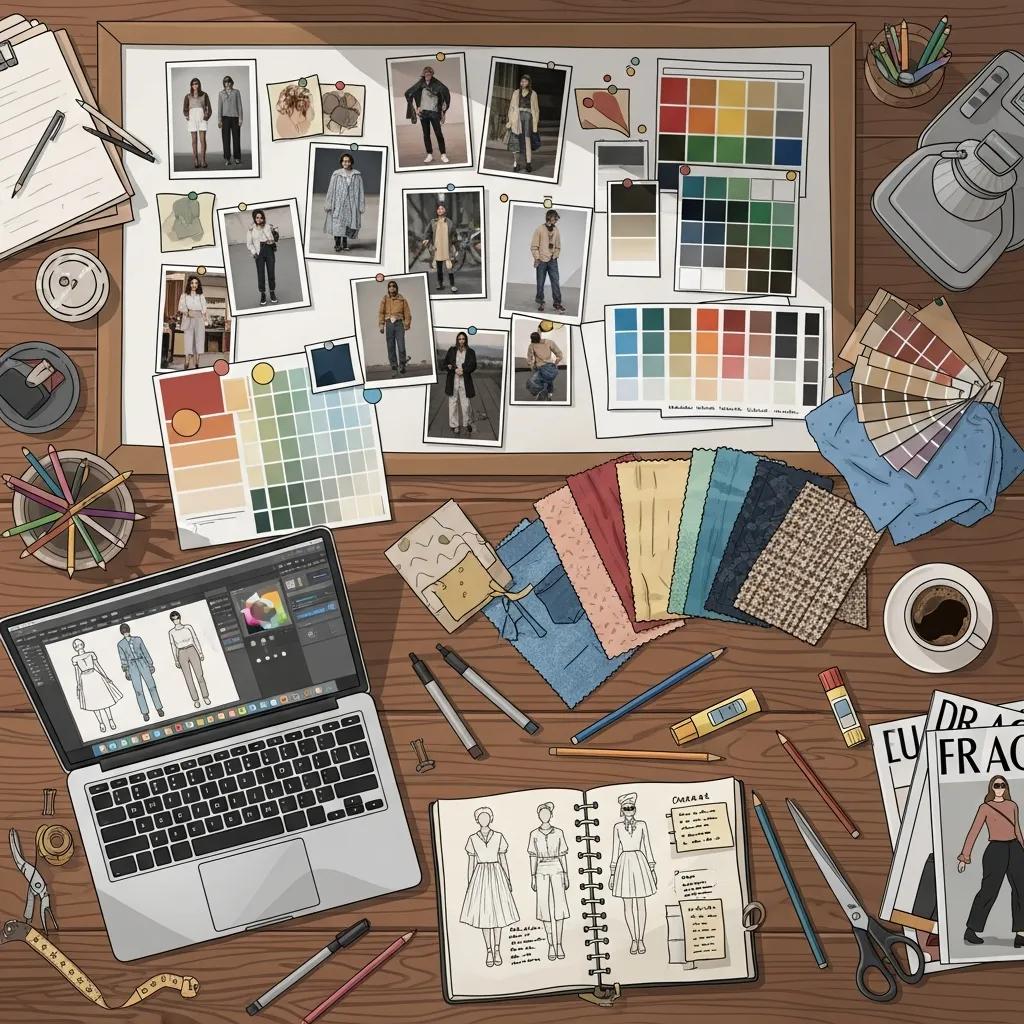
Finding a profitable niche is a mix of research and deliberate constraints: reduce competition and sharpen relevance for the people most likely to buy. Start by mapping adjacent categories and spotting underserved needs with social listening, keyword trends, and competitor gap analysis. Turn those insights into 2–3 prioritized personas. A practical persona lists demographics, lifestyle signals, preferred platforms, purchase triggers, and objections—write each as a short paragraph to guide creative and product decisions. Validate quickly with micro-tests like Instagram ads split-testing two creatives or a small pre-order run to measure intent and price sensitivity. These fast experiments shorten feedback loops so you can improve design and messaging before scaling.
How Custom Merchandise Strengthens Your Brand Identity
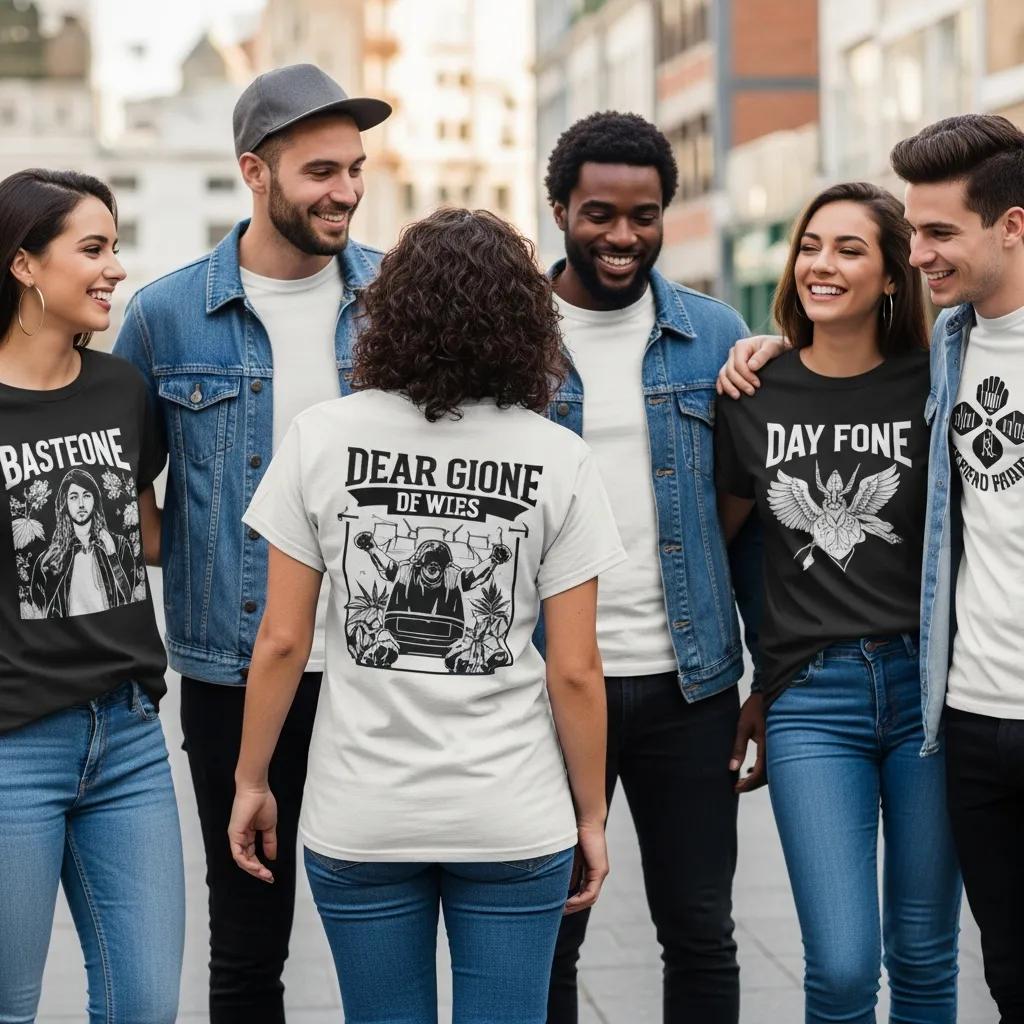
Custom apparel and promotional items are physical expressions of your brand—they communicate quality and culture beyond pixels. Thoughtful merch translates your visual rules into touchable experiences: label treatments, sleeve prints, and unified packaging all contribute to a premium impression that helps retention. Design for clarity: prioritize legibility, limit type treatments, ensure your logo scales cleanly, and test mockups on lifestyle imagery to check signal strength. Use merch for event giveaways to build local buzz, influencer drops to seed UGC, and staff uniforms to present a consistent public face that reinforces trust.
How Social Media Can Expand Your Clothing Brand’s Reach
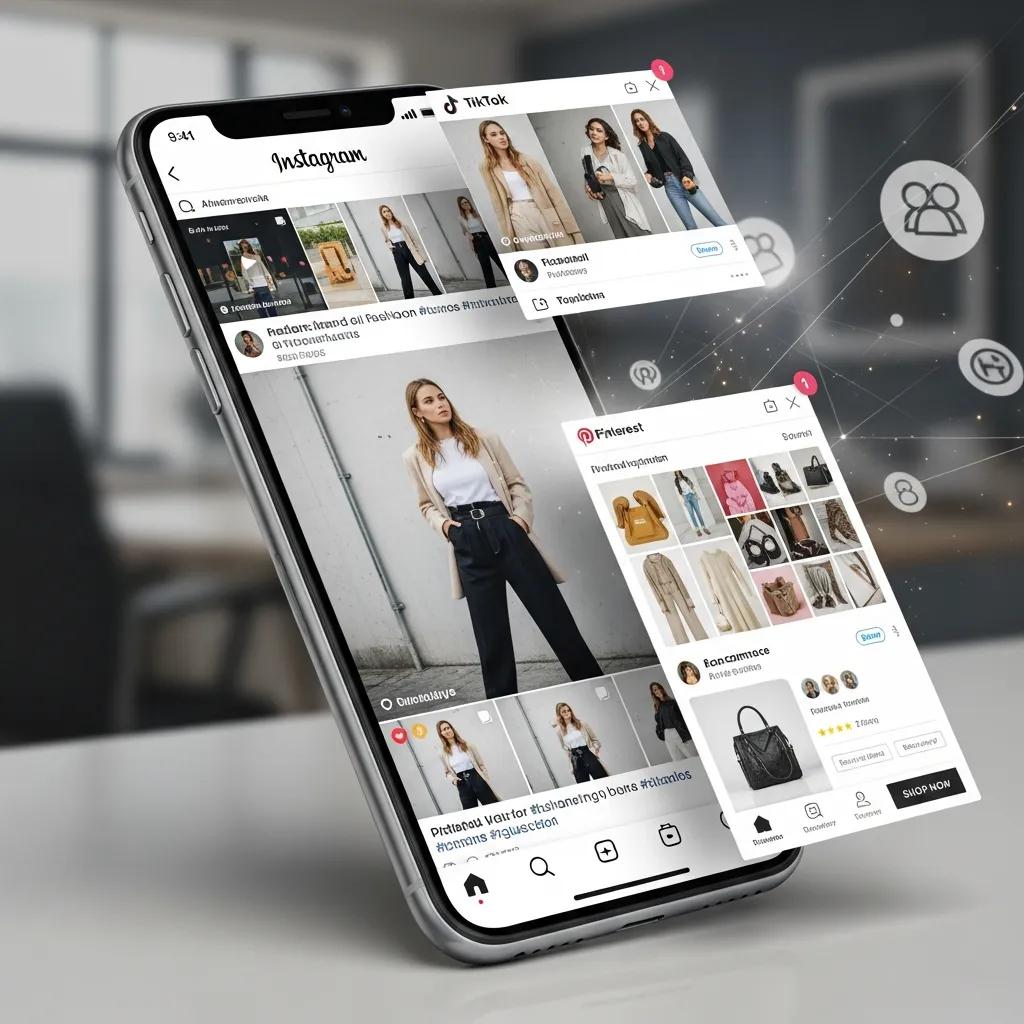
Social media amplifies discovery when you match platform formats to audience behavior and purchase intent. Each network has its own audience mix and content tempo, so align your strategy: short-form video for trend-driven reach, image-led boards for evergreen discovery, and shoppable feeds for conversion. Keep a consistent presence across channels—use Reels and TikTok for reach, Pinterest for search-driven discovery, and Instagram Shops for direct buying. Below are platform-specific tactics and a quick comparison to help prioritize where to put creative energy.
Use the table below to compare platform strengths and common use cases for custom apparel.
In short: TikTok is best for reach and authentic discovery, Instagram balances community and conversion, and Pinterest drives long-tail search traffic that feeds your product pages. Judge success with platform-specific KPIs—views and follower growth for TikTok, saves and clicks on Pinterest, and shopping conversions on Instagram.
Platform Playbooks: Instagram, TikTok, and Pinterest
Each platform needs its own content playbook that respects native behavior while staying on-brand. On Instagram, prioritize crisp product imagery, Reels that show fit and styling, and shoppable posts—aim for 3–5 curated posts per week and daily Stories to stay top of mind. On TikTok, open with a strong hook in the first 2–3 seconds, adapt trends with brand-appropriate twists, and launch participatory challenges to encourage UGC—daily short-form experiments work well. On Pinterest, build themed boards with keyword-rich descriptions, pin consistently, and link to detailed product pages to capture long-term search interest. Track engagement by platform and double down on hooks and formats that perform best.
Using Custom Apparel in Social Content and Influencer Programs
Custom apparel makes a campaign tangible: style, quality, and brand messaging are visible in every clip or photo. Structure collaborations with clear deliverables—product shots, try-on videos, styling edits, and at least one shoppable post linking to your store. For UGC seeding, send creator kits with size options and a short creative brief that includes the theme, hashtags, and usage rights; motivate creators with affiliate codes or commission. Measure results by referral traffic, attributed sales, and content lifetime value to decide whether gifted, paid, or affiliate setups scale most efficiently.
Ways to Launch and Scale a Clothing Brand Without Holding Inventory
Inventory-free models—mainly print-on-demand (POD) and dropshipping—cut upfront costs and let brands test designs and audiences before investing in bulk production. POD produces items per order, lowering risk, while dropshipping taps third-party suppliers to expand catalog breadth. Both prioritize speed-to-market and marketing-driven scale but differ in margins and product control. The table below helps you choose the right path for your priorities.
Compare POD, dropshipping, and traditional inventory across core operational factors.
POD is a great fit when you want quality control and low risk. Dropshipping works when you need rapid SKU expansion. Traditional inventory gives the best margins if you can accurately forecast demand.
A quick three-step launch plan for inventory-free brands:
- Set up a storefront and product templates with clear mockups that communicate fit and design.
- Run small paid campaigns or influencer seeding to validate demand for 1–3 designs.
- Connect your fulfillment provider and monitor customer feedback to refine fit and messaging.
These steps shrink launch risk and create a repeatable pipeline for testing and scaling new designs without warehousing overhead.
Swagify offers a full suite of custom promotional items and personalized merchandise—t-shirts, hoodies, drinkware, bags, and more—plus tools to create and sell products without inventory. Our value: simple product creation, storefront enablement, and scalable fulfillment so you can focus on design and growth. We serve businesses, influencers, schools, organizations, and creators who want reliable, customizable merch with less operational strain.
How Print-on-Demand Powers Inventory-Free Growth
Print-on-demand bridges your idea and the customer by pairing digital design templates with on-demand production and direct shipping—no warehousing required. You upload art to product templates, set pricing and fulfillment rules, and your POD partner prints and ships orders as they come in. This lowers financial exposure and speeds iteration. The main trade-offs are margin and absolute control over quality—pick POD partners with clear quality guarantees, accurate mockups, and dependable sizing charts. Launch narrow, collect fit feedback, then expand winning items into seasonal drops or influencer bundles.
How Dropshipping Helps Scale Catalogs Quickly
Dropshipping lets you offer a wide catalog without owning stock, but success hinges on supplier reliability, shipping transparency, and returns handling. Vet suppliers for consistent lead times, order samples to check quality, and confirm clear return procedures to protect customer experience. Use monitoring tools to track fulfillment and complaints, and be upfront about shipping windows on product pages. Start with a limited set of vetted SKUs and mix in quality-controlled POD items as your brand’s flagship offerings to keep control while scaling selection.
How to Optimize Digital Marketing Channels for Fashion Promotion
Optimizing your channels means aligning SEO, email, paid social, and on-site conversion tactics with the buyer journey so discovery, consideration, and purchase flow smoothly. Make product and category pages discoverable with keyword mapping and schema, segment email flows by behavior and lifetime value, craft paid creatives that signal relevance in the first two seconds, and reduce checkout friction to lift conversion. The channel table below summarizes KPIs and recommended tactics to guide where you invest.
Channel-level KPIs and practical tactics are listed below.
Measure channels across unified cohorts—from first touch through post-purchase—to see how discovery tactics drive lifetime value. Prioritize fast experiments that isolate creative, audience, and placement so you can scale what works.
Swagify provides customizable promotional items and merchandise—t-shirts, hoodies, drinkware, bags, and more—and tools to launch and sell without inventory headaches. Our focus is helping teams create sellable products quickly, maintain brand standards, and scale fulfillment so marketing drives growth rather than logistics. We work with businesses, creators, schools, and organizations that need flexible, branded merchandise solutions.
SEO Tactics to Improve Visibility for Clothing E‑commerce
Good SEO for apparel blends on-page optimization, structured data, and inspirational brand content. Map keywords to product and category pages, include long-tail queries for styles and use cases, and apply Product and Offer schema so search results show price and availability. Optimize images with descriptive alt text, keyword-rich file names, and modern formats to improve speed and discoverability. Publish evergreen editorial pieces—lookbooks and styling guides—that link into product pages to spread authority and capture seasonal and topical searches.
Email Marketing That Actually Drives Repeat Purchases
Email creates repeat customers when it’s personalized, timely, and useful. Build flows like welcome, cart abandonment, post-purchase nurture, and reactivation. Segment by purchase behavior, size preference, and engagement to send targeted drop announcements, restock alerts, and styling tips that keep customers returning. Use persuasive subject lines and clear preheaders, keep one primary CTA per email, and make sure layouts read well on mobile. Track open rates, CTRs, and repeat purchase rates to tune cadence and content.
How to Build Engaging Content and a Loyal Community Around Your Brand
Content and community are the long-term engines of brand equity for clothing labels. They create authentic advocacy, steady UGC, and repeat engagement. A video-first approach paired with shoppable lookbooks and a rewards-driven UGC program can turn customers into co-creators, cutting acquisition cost while amplifying reach. Plan content that cycles between hero launches, engagement-focused hub pieces, and evergreen “how-to” resources to balance discovery and conversion. The next sections offer templates for lookbooks, video, and UGC programs that include influencer workflows and rights management.
Best Practices for Fashion Video and Lookbooks
Plan video with a clear objective—awareness, consideration, or conversion—and pick the format to match. Use short styling cuts for awareness, fit demos for consideration, and shoppable clips for conversion. A practical shot list: hero product reveals, close-ups that show fabric and fit, lifestyle scenes that show movement, and short customer testimony clips. Build shoppable lookbooks by tagging SKUs in sequence and linking each look to landing pages with size notes and outfit breakdowns. Publish videos natively where they perform best: Reels and TikTok for short-form, Pinterest idea pins for discovery, and embedded lookbooks in emails and product pages for purchase intent.
Scaling with UGC and Influencer Partnerships
UGC and influencer programs scale social proof when you give creators clear briefs, fair incentives, and simple rights agreements. Provide prompts—styling challenges, before-and-after fit clips, micro-video scripts—that reduce creator effort while keeping content authentic. Onboarding templates should list deliverables, caption samples, required hashtags, and permitted usage; offer affiliate codes or commissions to align incentives and track ROI. Repurpose the best UGC across ads, product pages, and email to boost credibility and cut creative costs.
Swagify offers customizable promotional and personalized merchandise—t-shirts, hoodies, drinkware, bags, and more—plus fulfillment options that remove inventory burden. We help teams create, sell, and scale branded items quickly while keeping control over quality and brand presentation. Our customers include businesses, influencers, schools, organizations, and creators looking for reliable merch solutions.
Action Checklist: From Strategy to First Sales
- Create a 90-day launch plan with three validated SKUs and channel experiments ranked by expected ROI.
- Run one inventory-free stream (POD or dropship) plus one controlled flagship item to protect brand quality.
- Build a content calendar that mixes hero launches, short-form video, and UGC seeding—track clear KPIs for each.
These steps form a repeatable loop: test designs, measure creative and audience performance, and scale what shows healthy unit economics and lifetime value. Start small, learn fast, and double down on channels that move the needle.
Frequently Asked Questions
What are the key benefits of using print-on-demand for a clothing brand?
Print-on-demand (POD) lowers financial risk and increases flexibility. Items are produced after an order is placed, so you avoid unsold inventory costs and can test designs quickly. POD partners often handle production and shipping, freeing you to focus on marketing and customer experience. For new brands or experimental drops, POD is a low-cost entry path that supports fast iteration.
How can I effectively measure the success of my social media marketing efforts?
Measure social performance against your goals. Track engagement metrics (likes, comments, shares), follower growth, and referral traffic for awareness. For conversion campaigns, monitor CTRs and attributed sales. Use each platform’s analytics and UTM-tagged links to tie content to site behavior. Review results regularly and optimize by creative, audience, and placement.
What role does influencer marketing play in promoting a clothing brand?
Influencer marketing builds visibility and trust quickly when you partner with creators who match your brand and audience. Influencers create authentic content that introduces your products to new followers and can generate UGC you can repurpose. Choose creators whose aesthetic aligns with yours, set clear deliverables, and measure performance through referral links or affiliate codes.
How can I create a cohesive brand story across different marketing channels?
Start with a single, concise brand narrative—your mission, values, and what you offer—then translate it into a consistent voice and visual system. Use the same tone and imagery across social posts, website copy, and emails. Regularly review brand guidelines and give your team simple templates so all touchpoints reinforce the same story and build recognition over time.
What are some effective ways to engage customers and build a community around my clothing brand?
Engage customers with interactive content—polls, contests, live Q&A—and reward loyalty with programs that offer discounts, early access, or exclusive drops. Share user stories and feature UGC to make customers feel seen. Host virtual or local events to deepen connections. The goal is to create meaningful interactions that turn buyers into repeat customers and advocates.
How can I optimize my email marketing campaigns for better results?
Personalize and segment your lists to send relevant messages based on behavior and preferences. Use compelling subject lines and a clear primary CTA. A/B test send times, creative, and copy, and make sure emails are mobile-friendly. Track open rates, CTR, and conversion to refine cadence and content over time.
Conclusion
Launching and growing a clothing brand takes focus: pick a clear niche, build a consistent visual and verbal identity, and use repeatable touchpoints that reinforce your message. Combine inventory-free options, smart social strategies, and channel-level optimization to scale without overextending. Use the frameworks and checklists here to run fast experiments, measure results, and invest in the tactics that deliver sustainable growth. Start small, learn quickly, and let your merch do the talking.