Create the perfect touch for your events with personalized napkins! Get inspired with design tips and ideas to make your custom napkins unforgettable.
Personalized Napkins for Every Occasion: Design Tips & Ideas
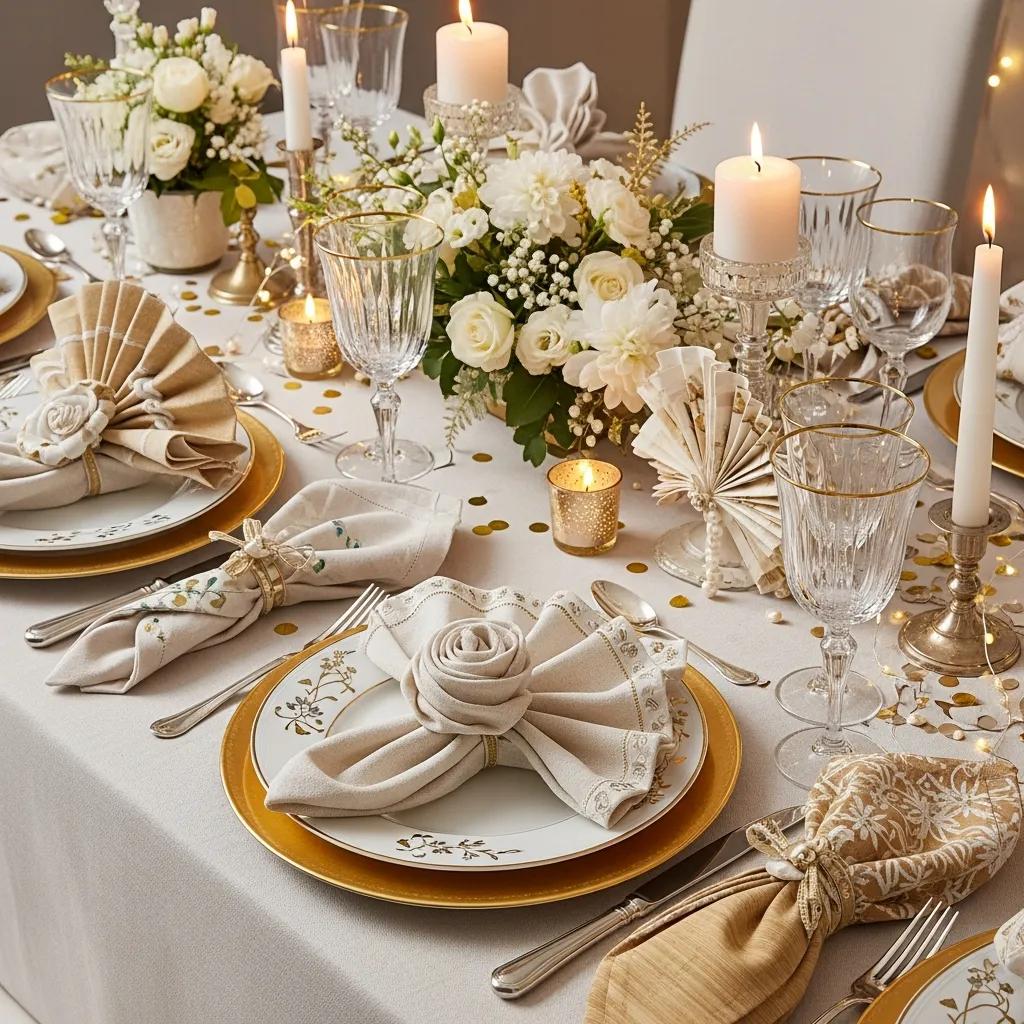
elegant table setting with custom napkins showcasing various materials and designs 70b3e55a 2e0b 47d5 bf3a 435ce6881ca1.webp
Custom Napkins 101 — Design, Printing & Ideas for Every Occasion
Custom napkins are paper, linen‑feel, or bamboo napkins finished with a logo, monogram, motif, or brand color to pull an event’s look together. The right material, print process, and layout give you useful absorbency plus a tactile detail guests remember. For brands, planners, creators, and hosts, personalized napkins are an affordable, high‑impact touchpoint that ties tableware, invitations, and signage into a cohesive presentation. This guide explains why custom napkins matter, shares templates and inspiration for weddings, launches, holidays, and parties, compares print methods and materials, and walks through bulk ordering and FAQs. Read on to learn how to pick materials, prepare artwork, choose a print method, estimate quantities, and add eco options like bamboo or recycled paper to your event plan.
Why Choose Custom Printed Napkins for Your Event?
Custom printed napkins boost visibility, utility, and the overall guest experience—lifting your tablescape and reinforcing event themes. A well‑placed logo, monogram, or motif on napkins creates repeated, subtle impressions throughout an event—helping with recall and signaling professionalism. Material and finish matter: a soft linen‑feel napkin reads formal, while a textured recycled paper option highlights sustainability. Knowing these trade‑offs helps you choose the best balance of look and function for your occasion.
Custom napkins deliver three practical benefits:
- Brand reinforcement: Repeated marks increase recognition during social moments.
- Guest experience: Quality materials and finishes elevate perceived hospitality.
- Practical marketing: Napkins act as subtle promo pieces guests notice and sometimes keep.
Use these advantages to guide which design choices and events will have the most impact.
How Do Custom Napkins Elevate Your Brand and Event?
Custom napkins stitch a consistent visual thread across tablescapes, menus, and signage—showing intention and attention to detail. A simple logo or monogram placed on napkins gets seen during meals, cocktail hours, and receptions, reinforcing recognition without interrupting the moment. Finishes like metallic foil, embossing, or linen texture add tactile cues that raise perceived value. For example, foil‑stamped cocktail napkins with a clean logo read more refined than plain stock napkins—and that polished impression can encourage guests to engage with your brand.
Those branding effects point to which events benefit most from personalization and how to choose napkin features accordingly.
What Occasions Are Best Suited for Personalized Napkins?
Personalized napkins work for many events when the design and material match the occasion’s tone. Weddings favor monograms, metallic accents, or floral motifs on linen‑feel napkins to coordinate with stationery and decor. Corporate events and product launches benefit from subtle logo use and brand colors on dinner or cocktail napkins to reinforce identity without distracting from programming. Casual parties, showers, and holiday gatherings are perfect for bold patterns, playful illustrations, or themed colors on disposable cocktail napkins for an affordable, festive touch.
- Weddings: Monogram or couple crest in metallic foil on linen‑feel napkins.
- Corporate events: Branded logo and color stripe on dinner or beverage napkins.
- Parties & holidays: Patterned or motif‑driven designs on disposable cocktail napkins.
Picking the right design for each occasion leads naturally to practical templates and artwork approaches for print.
What Are the Best Design Ideas for Custom Napkins?
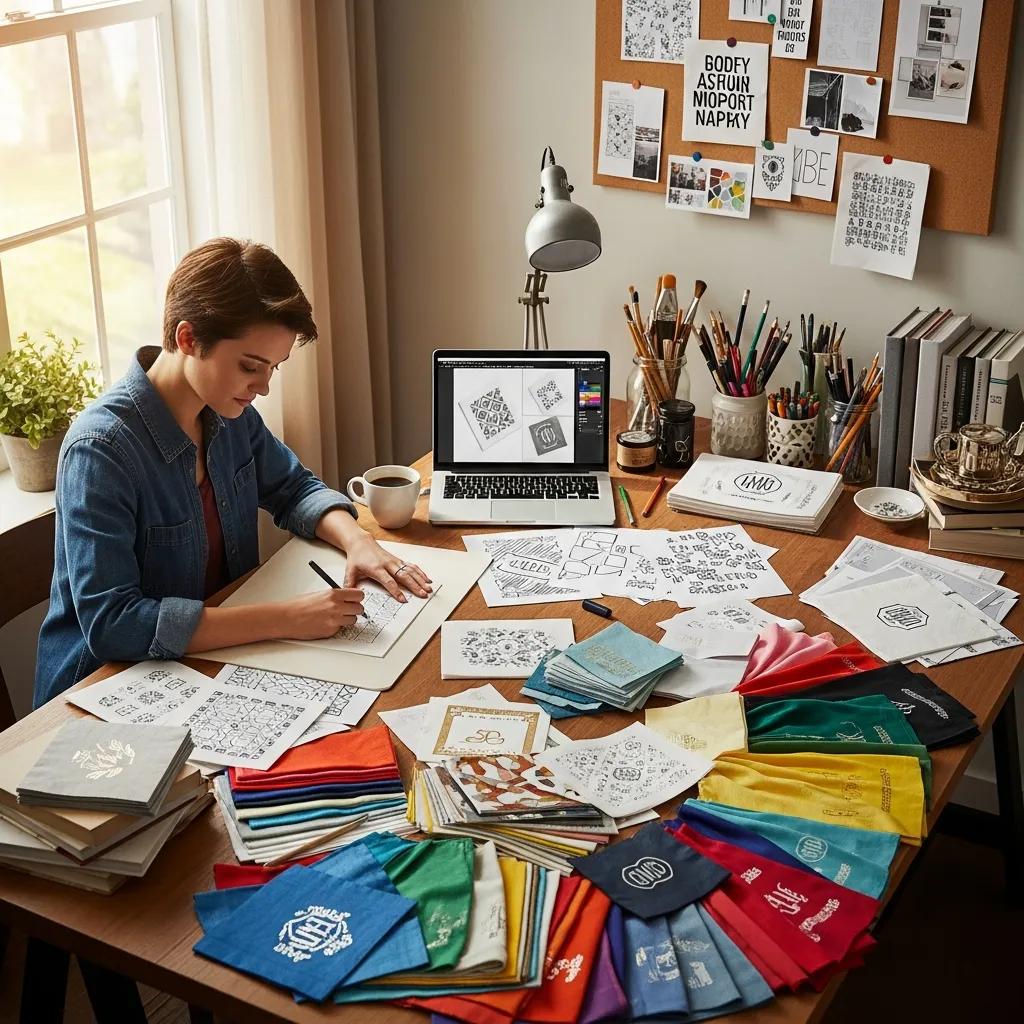
Great napkin design starts with a clear focal element—a logo, monogram, repeat pattern, or photographic panel—and enough negative space and contrast so details stay legible at napkin scale. Mind safe zones to avoid trimming, choose ink/base pairings for strong contrast, and scale patterns so motifs read differently on cocktail versus dinner napkins. Plan a primary mark plus supporting elements like borders or corner motifs so designs translate across sizes and materials. That way your napkins coordinate cleanly with menus, place cards, and centerpieces.
Design ideas by occasion:
- Centered minimal monogram with a subtle border for formal weddings.
- Full‑bleed color block with a white logo for a modern corporate look.
- Repeating motif or pattern for themed parties and holiday tables.
Applying these templates means paying attention to typography, contrast, and alignment—details we break down for weddings and common elements below.
How Can You Design Custom Napkins for Weddings and Special Events?
Wedding napkins usually lean formal and benefit from restrained, elegant treatments: centered monograms, foil accents, or delicate repeats that echo stationery and linens. Start with a clear typographic treatment for the couple’s initials inside a safe zone at the napkin’s center or corner. Choose finishes—gold or rose‑gold foil, embossing, or linen‑feel textures—to match the event’s formality. Whenever possible, request a physical sample and confirm proofing details like color swatches, foil shade, and imprint scale so everything reads clearly at napkin size. Coordinate napkins with table numbers, menus, and floral palettes to create a unified look.
Careful proofing and sample checks prevent surprises and keep designs consistent across production runs.
What Are Popular Design Elements for Personalized Napkins?
Common elements include logos, monograms, borders, repeat patterns, color blocks, and occasional photographic inserts. Small‑scale printing emphasizes legibility and scale: simplify logos and monograms because thin strokes can vanish on textured stocks; test patterns at actual napkin size to avoid clutter; and choose high‑contrast combinations—light ink on dark napkins or dark ink on light napkins. Always plan for bleed and safe zones so prints aren’t trimmed incorrectly and margins remain consistent across runs.
- Logo & monogram clarity: Simplify fine details for small‑scale reproduction.
- Color contrast: Pick ink and base pairings that stay readable.
- Pattern scale: Test motifs at final size to avoid visual density.
Those design choices determine which printing methods and finishes will work best for your concept.
Which Printing Methods Are Used for Custom Napkins?
Common print methods include foil stamping, digital printing, embossing, and screen printing. Each delivers a different visual and tactile result and suits different budgets and order sizes. Foil stamping adds a metallic leaf for a premium look—ideal for simple logos or monograms—but has higher setup costs. Digital printing handles full‑color and photographic imagery with lower setup and faster turnaround, though colors can shift on textured or absorbent stocks. Embossing creates raised impressions for a tactile, understated brand touch and pairs best with thicker linen‑feel napkins.
- Foil stamping: Metallic finish that reads formal and high‑contrast.
- Digital printing: Full‑color flexibility with faster turnaround and lower MOQs.
- Embossing: Raised, tactile detail for subtle sophistication.
- Screen printing: Strong ink coverage for simple, large runs.
Below is a quick comparison to help you weigh aesthetics, lead time, and cost for each method.
This snapshot should help you choose the right method for your design and budget before moving on to material choices.
What Are the Benefits of Foil Stamping on Napkins?
Foil stamping gives napkins a reflective metallic sheen—gold, silver, or custom metallics—that reads as luxury and formality. It pairs perfectly with minimalist layouts like centered monograms, delivering crisp contrast under event lighting. Trade‑offs include longer lead times and higher per‑unit cost, and foil doesn’t suit intricate artwork, so it’s best for bold, simple marks. Test foil on your chosen material since texture and ply affect adhesion and final appearance.
These finish choices show why material selection is important—see the material comparison next.
How Does Digital Printing Compare for Custom Napkins?
Digital printing shines when you need full‑color gradients, photos, or short‑run flexibility. It offers fast proofs and lower setup than plates or dies, and supports on‑demand production so you can run multiple designs in one order. Keep in mind digital inks behave differently on textured or highly absorbent stocks and may mute colors, so request samples to confirm color and finish. For planners who need speed and visual complexity, digital printing often balances cost and capability well.
With print methods clear, the next step is choosing the right material for feel and function.
What Is Embossing and When Should You Choose It?
Embossing presses a raised design into the napkin, creating tactile depth that invites touch and signals craftsmanship. It works best for simple marks—monograms, crests, or textured borders—on thicker linen‑feel napkins where the impression holds and casts soft shadows. Embossing is subtler than foil but delivers a refined, understated look that suits upscale receptions. Choose embossing when texture and tactility matter most, and pair it with simple artwork so the raised detail remains the star.
Material and sustainability choices will further limit which finishes are practical—review material options next.
How Do You Choose the Right Material for Custom Napkins?
Choose napkin material by balancing feel, absorbency, sustainability, and budget to match the event’s tone. Paper napkins (2‑ply or 3‑ply) are cost‑effective and work well for casual or high‑volume events. Linen‑feel napkins offer a textured, upscale presentation for formal dinners. Bamboo and recycled paper options address eco goals while signaling sustainable values. Consider ply, fiber source, and certifications, and always request samples to check color, texture, and print results before placing a large order.
Use this matrix to match tactile expectations and sustainability goals to your event, and to confirm printing compatibility and minimums.
What Are the Differences Between Paper and Linen-Feel Napkins?
Paper and linen‑feel napkins differ in texture, durability, and perceived formality. Paper is absorbent and budget‑friendly—great for casual, high‑volume events—while linen‑feel options mimic cloth, drape better, and elevate place settings for formal dinners. Print outcomes vary: fine digital detail may read clearly on smooth paper but soften on textured linen‑feel stocks, and embossing holds better on thicker linen‑feel materials. Match material to event formality and print method to get the look and feel you want.
What Eco-Friendly Napkin Materials Are Available?
Eco options include bamboo fibers, recycled paper, and compostable stocks that lower lifecycle impact compared with virgin fibers. Bamboo is soft and renewable but can cost a bit more; recycled paper balances affordability and environmental benefit depending on recycled content. Check certification labels and local composting capabilities, and confirm compostability claims with suppliers. Choosing sustainable materials can strengthen brand perception for eco‑minded guests while reducing event waste.
How Can You Order Bulk Custom Napkins for Events and Businesses?
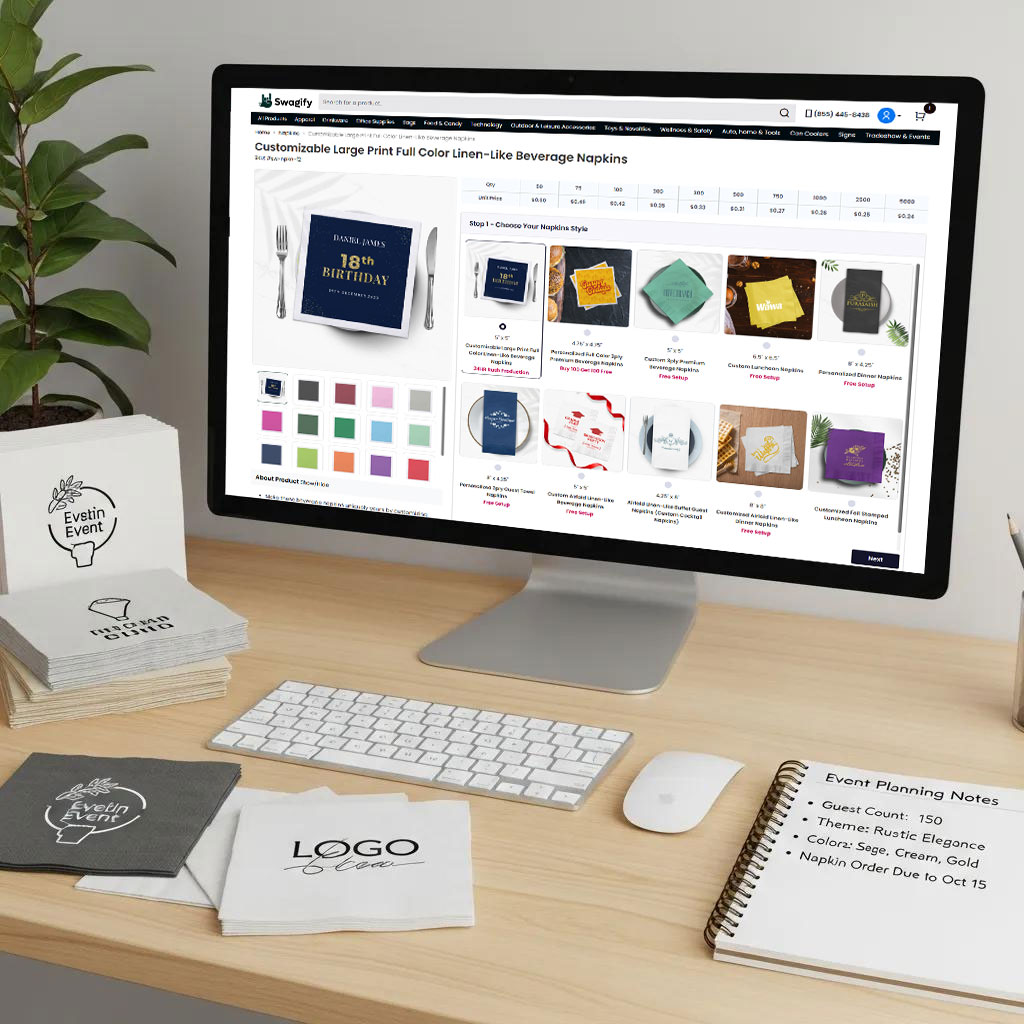
Ordering bulk custom napkins follows a clear flow: design and material selection, proofing and approval, production, and delivery—each step affects lead times and cost. Finalize artwork to printer specs, confirm material and print method, request a digital proof and a physical sample when possible, then lock in quantity and timeline. Watch for price breaks at common quantity thresholds and build buffer time for proofs and shipping. Following this process reduces surprises and helps napkins arrive ready for setup.
- Design finalization: Provide vector files, correct color modes, and defined safe zones before requesting proofs.
- Proofing & samples: Ask for digital and physical samples for foil, emboss, or full‑color prints.
- Production & lead time: Confirm production windows, price breaks, and shipping schedules.
- Delivery coordination: Schedule delivery several days before setup to allow quality checks.
Those steps often raise questions about minimums and low‑quantity options—see the table below for typical ranges.
This overview helps you decide whether to run digital short runs or invest in larger foil or embossed orders based on cost and timing.
What Is the Minimum Order Quantity for Custom Printed Napkins?
MOQs depend on printing method and material. Digital printing often allows very low or no minimums, while foil and embossing usually require larger runs because of setup costs. Typical starting ranges are 50–200 units for digital short runs, while foil or emboss jobs commonly need several hundred to justify tooling. If MOQs are restrictive, consider ordering a small digital batch for samples or working with on‑demand providers for variable designs. Estimate needs by guest count—plan 2–4 napkins per guest depending on service style—to set realistic MOQ targets.
How Does Swagify Simplify Bulk Ordering and Customization?
Swagify streamlines bulk orders with easy templates, on‑platform proofing, and print‑on‑demand fulfillment so you don’t have to hold inventory. Upload vector artwork, pick material and print method from set options, review a digital proof, and confirm quantities and shipping. The platform shows lead‑time estimates, price‑break calculations, and an approval step before production so you know what to expect. This approach works well for creators and small businesses that need scale without warehousing.
- Upload design: Submit vector files and choose napkin format.
- Select material & finish: Pick paper, linen‑feel, foil, or digital options.
- Proof & approve: Review digital proofs and request samples if needed.
- Place order & fulfillment: Confirm quantity and shipping; production starts after approval.
These steps keep ordering predictable and cut down administrative work for event teams and brands.
What Are Common Questions About Custom Napkins?
Buyers often ask about print techniques, food safety, and suitability for different events. Answering these up front avoids production delays and mismatches. Typical concerns include preparing artwork for small formats, which methods are safe for food‑adjacent items, and how to estimate quantities. Clear guidelines on file formats, safe zones, ink types, and sample approvals prevent costly reprints and ensure materials meet venue and waste‑management rules. The sections below tackle two of the most common practical questions.
The next subsections give concise, practical answers to help you decide with confidence.
How Do You Print on Napkins Safely and Effectively?
Safe, effective napkin printing starts with inks and finishes suitable for food‑contact proximity and working with printers who follow curing and safety guidelines. Supply vector artwork with outlined fonts and simplified logos for crisp reproduction, include CMYK color values, and request proofs to verify color on your chosen stock. For textured or absorbent materials, test a physical sample to check color saturation and drying behavior, and confirm curing timelines to avoid smearing. Ask suppliers for material safety documentation and follow venue rules for food‑contact items to minimize risk.
These production best practices also help you pick the right material and finish for each occasion.
Are Custom Printed Napkins Suitable for All Occasions?
Custom napkins suit most occasions when material, print method, and finish match event formality and function. Linen‑feel napkins with foil or embossing fit formal weddings and corporate dinners. Casual gatherings usually work best with printed paper cocktail napkins for affordability and easy cleanup. For large public events with sustainability goals, recycled paper or bamboo options offer environmental benefits—though color vibrancy and finish choices can be more limited. Choosing the right material and print type ensures napkins enhance, not distract from, the event.
With that in mind, use the templates, checklists, and proofing steps in this guide when specifying napkins for your next event.
Frequently Asked Questions
1. What factors should I consider when choosing the material for custom napkins?
Consider event formality, absorbency needs, sustainability goals, and budget. Paper napkins are affordable and practical for casual events; linen‑feel options give a more upscale look for formal occasions. Eco choices like bamboo or recycled paper support sustainability efforts. Always request samples to check texture, color, and print quality before placing a bulk order so the material aligns with your event’s aesthetic and function.
2. How can I ensure my custom napkin design is effective?
Start with a clear focal point—a logo or monogram—and leave enough negative space so it reads at napkin size. Use high‑contrast colors for legibility and test your design on the chosen material to avoid clarity or saturation issues. Coordinate napkin design with menus and place cards to strengthen the overall visual impact.
3. What are the advantages of using digital printing for custom napkins?
Digital printing lets you produce full‑color designs and photos with quick turnarounds and lower setup costs, making it ideal for short runs and on‑demand variants. It reduces inventory needs, but you should test how digital inks look on textured or absorbent stocks since color fidelity can vary.
4. Can I use custom napkins for outdoor events?
Yes. Match material and printing to outdoor conditions: paper napkins are more vulnerable to wind and moisture, while linen‑feel or bamboo options are sturdier. Consider heavier weights to prevent tearing and confirm napkins are food‑safe and suited to possible spills or weather changes.
5. How do I estimate the quantity of custom napkins needed for my event?
Plan for roughly 2–4 napkins per guest depending on service style. Cocktail events typically need more napkins for drinks and appetizers. Factor in event length and courses, and order extras to cover unexpected guests or spills.
6. What are the best practices for proofing custom napkin designs?
Request a digital proof first, then a physical sample when possible. Check color accuracy, legibility, and how the design scales at actual napkin size. Confirm font clarity, alignment, and finish details before final approval to avoid reprints.
7. Are there any specific printing methods that are more eco-friendly?
Digital printing is generally more sustainable because it supports on‑demand production and reduces waste from excess inventory. Using water‑based inks and recycled paper also improves environmental impact. Foil stamping and embossing can involve more resources during setup, so weigh those trade‑offs against your sustainability goals.
Conclusion
Custom napkins are a small detail that makes a big impression—boosting brand presence and improving guest experience when you choose the right design, material, and finish. With thoughtful planning and careful proofing, napkins can tie an event’s visual elements together and leave a lasting impression. Browse our custom options to elevate your next gathering and start designing napkins that reflect your event and values today.