Stand out with the latest trends in custom t-shirts. Explore unique styles that express your personality and stay ahead in fashion. Create your look today!
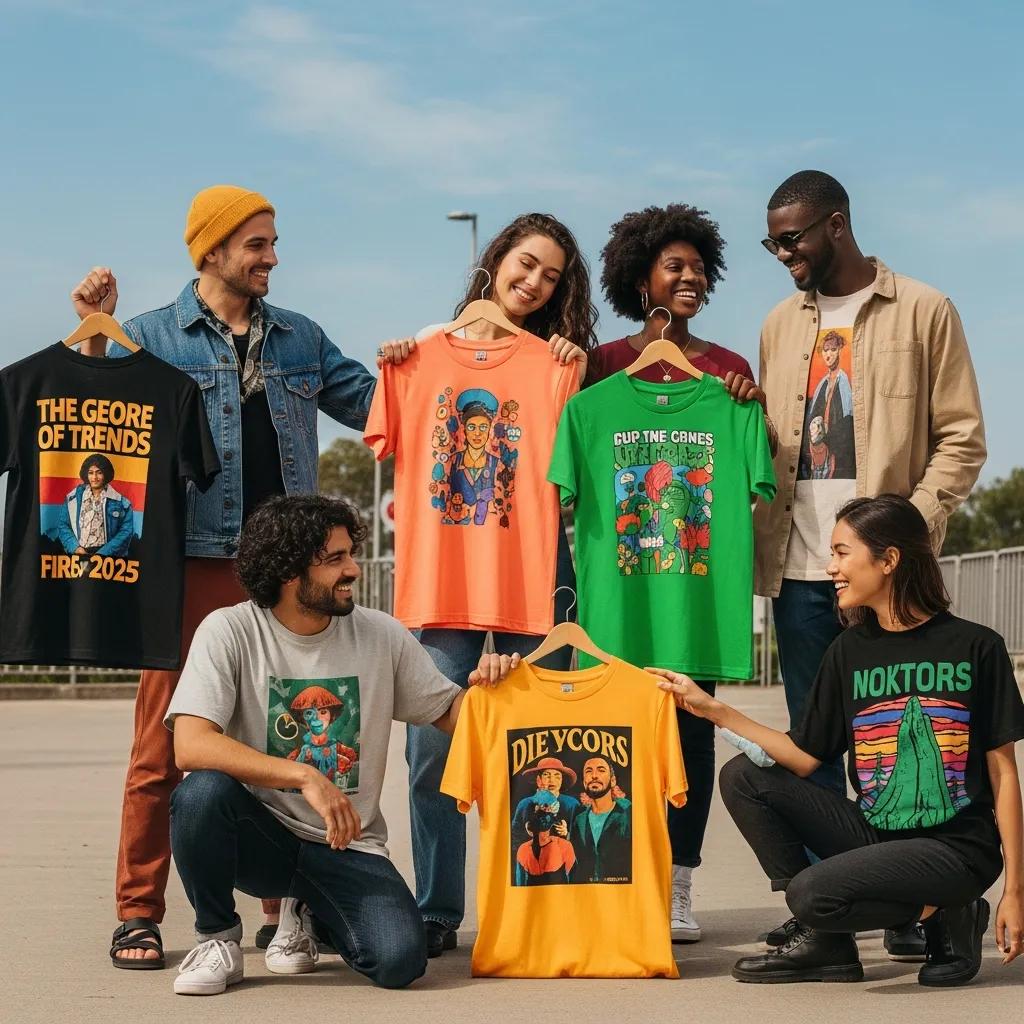
The Ultimate Guide to Custom T-Shirt & Apparel Trends in 2026
2026 Custom T‑Shirt & Apparel Trends: Top Styles, Materials, and Production Tips
The custom apparel scene in 2026 is driven by a few clear currents: nostalgia-forward graphics, sustainable materials, generative design tools, and a strong appetite for bold, statement-first pieces. This guide walks creators, brands, schools, and influencers through what’s trending and how to turn those ideas into production-ready merch. You’ll get the leading design directions, the sustainability choices that matter, how AI and modern printing shift workflows, the continued rise of oversized streetwear fits, and practical steps to tailor collections for your audience. Think fabric trade-offs, print-method decisions, legal and licensing touchpoints, and merchandising tactics that boost engagement and sales. Along the way we include actionable checklists, comparison tables, and platform-level options for teams that want to scale without holding inventory.
What Are the Leading Custom T-Shirt Design Trends for 2026?
Top custom t‑shirt trends in 2026 prioritize clear messaging, tactile finishes, and formats that work across print-on-demand and direct sales. These directions come from demand for authenticity, collectible drops, and wearable statements—and they affect blank choice, print placement, and color strategy. Match your visual language to the production method—use DTG or water-based screen techniques for crisp type, and discharge or vintage pigment methods for aged textures—to preserve the look you intend. Below are the dominant aesthetics and why they matter for merch strategies.
The top trends for 2026 are:
- Bold Minimalism: Big, readable type, generous negative space, and limited palettes that make branding and messaging instant and unmistakable.
- Retro Revival: Distressed textures, Y2K colorways, and throwback marks that tap nostalgia and collectible energy.
- Statement Typography: Overscaled type as the design, used as identity and social signal on roomy silhouettes.
- Generative & AI Art: One-off patterns and rapid variants from AI tools for personalization and limited drops.
- Oversized Streetwear: Relaxed silhouettes with larger printable canvases and layered graphics for urban audiences.
These trends often combine: minimalism and typographic work form your core identity, while retro and generative techniques add collectible variety and seasonal relevance. Next, designers must pick print methods that deliver the right durability and hand for each trend—details we cover in the sections below.
How Are Bold Minimalism and Statement Typography Shaping Apparel Design?
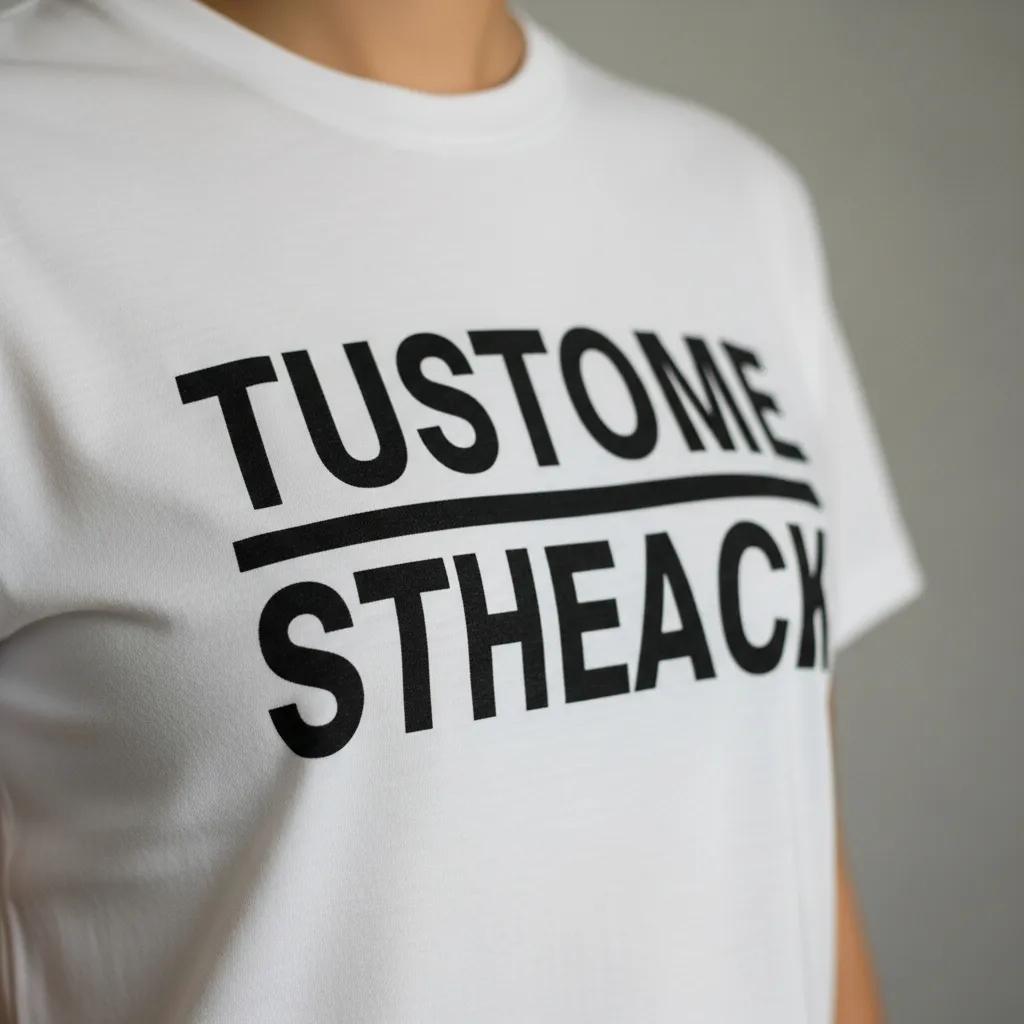
Bold minimalism and statement typography strip away clutter and make the message the star—shirts that read like a logo and a billboard at once. Designers get this by using high-contrast type, geometric typefaces, and generous tracking so copy stays legible at scale. Work in vectors and high-res fonts to avoid pixelation in DTG or screen separations.
Pair a dominant display face with a neutral sans or slab for any supporting copy to keep hierarchy and voice consistent.
Recommended print methods include high-density screen printing for a raised, tactile type feel, or DTG when you need gradients or photographic texture.
Use cases: influencer drops where bold type improves thumbnail recognition, and campus spirit tees that rely on a single word or crest for resale-friendly wearability.
This type-first approach also pairs nicely with vintage techniques, which trade crisp vectors for texture and intentional aging to evoke authenticity.
What Retro and Vintage Styles Are Making a Comeback in Custom Shirts?
The retro revival leans into 80s/90s palettes and Y2K silhouettes: washed inks, distressed textures, and layered logos that feel worn-in. To get an authentic vintage look, choose garment-dye bases, enzyme washes, and discharge or pigment inks that soften edges and remove shine.
Design tricks include simulated wear via halftone separations, slight registration shifts in screen printing, or post-print garment washes to create lived-in fades.
Who buys retro pieces? Nostalgia-first shoppers, collectors, and streetwear fans chasing limited drops.
Show both pristine and washed mockups so buyers understand the intended finish and care needs.
And remember: customers expect retro aesthetics to come with eco-aware materials and processes—so pair vintage looks with responsible sourcing when possible.
How Is Sustainability Influencing Custom Apparel Trends?
Sustainability now guides fabric choice, ink selection, and supply-chain transparency. Buyers look for eco-friendly custom shirts and traceable production, which pushes creators toward organic cotton, recycled polyester, and low‑impact dyes. Those choices lower lifecycle impact and match customer expectations for responsible merch. Communicate sustainability clearly on labels and product pages, and favor limited runs and durable construction to reduce disposability.
The table below compares common eco-friendly fabric options by feel, durability, cost, and environmental impact to help with purchasing decisions.
This comparison shows organic cotton as the go-to for everyday comfort and messaging, while recycled polyester works well for performance and activewear. Picking the right fabric helps justify premium pricing and supports longer lifespans, which strengthens sustainability claims.
Work with print partners and platforms that list eco-conscious blanks and low-impact inks. For example, Swagify includes sustainable product options in its print-on-demand catalog so creators can choose organic and recycled blanks and run smaller, lower-impact drops. That ties trend adoption directly to responsible production choices.
Marketing benefits of sustainability include stronger community goodwill and meaningful differentiation in crowded merch markets—factors that influence how teams prioritize AI personalization and production workflows.
Which Eco-Friendly Materials Are Popular for Custom T-Shirts?
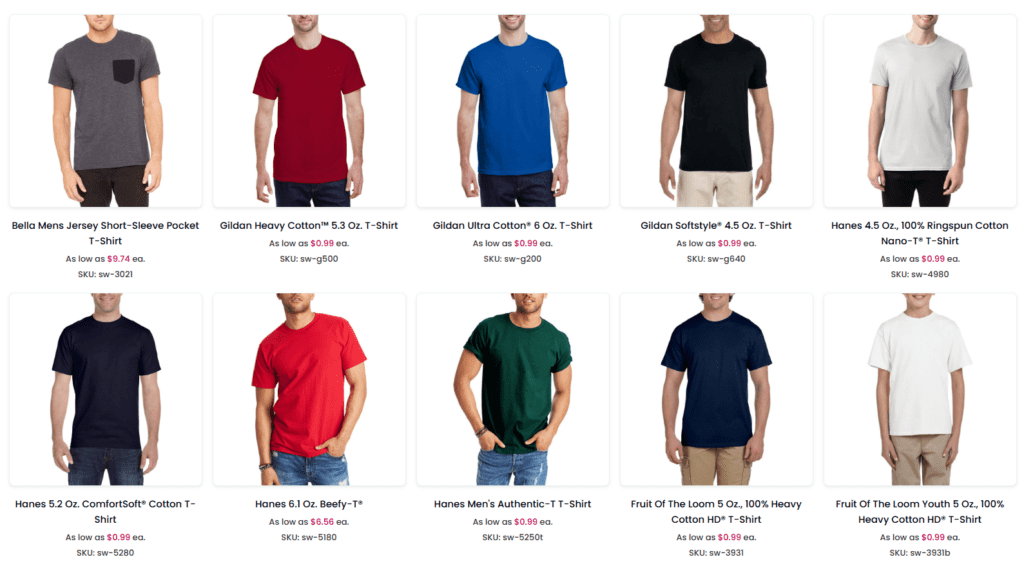
Organic cotton, recycled polyester, and responsibly processed blends lead the sustainable apparel mix because they balance feel, durability, and lower environmental impact. Organic cotton offers the familiar soft hand and breathability lifestyle buyers expect, while recycled polyester keeps shape and wicks moisture—ideal for performance pieces.
Bamboo blends bring drape and a luxe feel but require scrutiny around mechanical versus chemical processing to confirm sustainability claims.
Price sensitivity: organic cotton usually commands a premium, recycled blends sit mid-range, and specialty fibers add cost but can support premium positioning for limited drops.
Match material to audience expectations—comfort-first for schools, performance for athletic brands, and premium fibers for influencer drops—to guide print method and final product quality.
What Are the Benefits of Water-Based Ink and Ethical Manufacturing?
Water-based inks and ethical manufacturing deliver environmental gains and a softer print hand, improving comfort and perceived quality.
Water-based inks cut VOCs versus plastisol and often sit into the fabric rather than on top, boosting breathability and wearability.
Ethical manufacturing—transparent factories, fair labor, and traceable supply chains—lets brands make credible sustainability claims and lowers reputational risk.
When marketing sustainable merch, use specific terms like “low‑impact inks” and “traceable production,” and include care guidance to help garments last longer.
Explaining why a slightly higher price supports responsible production helps customers see the value. From here, designers should consider how AI can speed ideation and scale personalization without ballooning inventory.
What Role Does AI Play in Modern Custom T-Shirt Design?
AI speeds concepting, generates pattern variants, and personalizes designs at scale—letting creators test lots of directions without hand-crafting each one.
Common workflows pair AI ideation (generative art or style transfers) with human refinement to keep brand consistency and printability.
AI also automates colorway and layout variants, producing multiple SKU candidates for print-on-demand or limited releases.
Key considerations: copyright and licensing for AI outputs, converting raster images to high-res or vector print files, and color‑fidelity checks across DTG, DTF, and screen workflows.
The table below compares AI tool categories and what they’re best at for apparel design.
AI-driven design raises launch cadence and enables hyper-personalized merch strategies—but it calls for governance to keep brand voice consistent and to manage rights. Best practice blends automated generation with manual vetting and quality control.
How Do AI Tools Enhance Personalized and Generative Apparel Designs?
AI makes personalized apparel practical by producing many design variants from a single prompt, so brands can test micro-audiences with minimal upfront production.
This matches recent research that highlights generative AI’s potential to solve longstanding fit, style, and accessibility challenges in fashion.
Generative AI for Personalized Apparel Design

A study exploring generative AI for personalized apparel design and custom fitting, showing how algorithmic tools can expand options for fit, style, and accessibility.

Revolutionizing Fashion: a Generative Ai Approach To Personalized Apparel Design and Custom Fitting, RK Butteddi, 2024
Features such as style transfer and pattern synthesis create motifs that tile or adapt across print areas, while variant generators churn out color and composition permutations for rapid SKU testing.
To integrate AI work into production, export high-resolution files, convert to correct color profiles, and redraw vector elements as needed for scalable prints.
Tool pricing varies—per-generation fees versus subscriptions—so evaluate cost per variant against expected conversion lift.
A practical workflow: prompt-based ideation → pick top candidates → vectorize and color-proof → test print → full release. That ensures AI speeds output without sacrificing quality or legal clarity.
Those AI-driven variants then inform choices about digital printing and production techniques, which determine final product quality.
What Are the Latest Innovations in Digital Printing Technologies?
Recent advances in DTG, DTF, sublimation, and hybrid processes have widened what’s possible in custom apparel—improving color accuracy, wash durability, and compatible substrates.
DTG now benefits from better pretreatment and inks for improved washfastness on cotton, while DTF opens up consistent adhesion for polyesters and blends.
Sublimation remains the best choice for full-bleed polyester pieces, delivering photographic depth but requiring the right substrate.
Hybrid printing merges screen-print durability with digital detail, allowing textured inks and complex color separations together.
When choosing a print method, weigh trade-offs: DTG for small photographic runs, screen print for bold graphics at scale, and DTF for mixed-fabric catalogs.
These print choices shape how designs scale, which matters especially for oversized and streetwear pieces.
How Are Oversized and Streetwear Styles Trending in Custom Apparel?
Oversized fits and streetwear continue to shape merch strategy by offering bigger canvases for bold graphics, layered branding, and lifestyle positioning that appeals to urban and younger buyers. The look relies on relaxed proportions, longer hems, and dropped shoulders that support large center or off-center prints and sewn details.
Design needs include expanding recommended print areas, planning sleeve and back placements, and picking fabric weights that hold structure without feeling heavy—each choice affects perceived quality and how graphics sit on the body.
Merch tips: capsule drops, authentic collaborations, and precise sizing guides to reduce returns.
The comparison below helps creators pick blanks by fit type, recommended print area, fabric weight, target audience, and price fit.
Choosing the right blank ensures prints read correctly across sizes and keep visual balance on different body types.
What Are the Key Features of Oversized Custom T-Shirts and Hoodies?
Oversized garments typically have extended sleeves, dropped shoulder seams, and wider torsos to create a relaxed silhouette that supports layered or statement graphics.
Fabric weight matters: heavier fleece holds patches and embroidery well, while midweight cotton lets large chest prints drape without sagging.
Scale artwork proportionally—test mockups across S to XXL to avoid cropping or awkward placement.
For hoodies, check ribbing stretch and pocket placement relative to big prints; for tees, account for neckline height when centering artwork.
Document these fit and scaling rules in tech packs so print registration and garment structure stay consistent across POD providers or bulk suppliers.
How Does Urban Style Influence Custom Streetwear Designs?
Urban style pulls from music, skate culture, and local iconography—translating into layered logos, patchwork, and tactile details like embroidery and woven labels.
Authentic streetwear often uses community-specific graphics, hand-drawn marks, and collaborative elements that reward insiders and create scarcity value.
When using urban cues for schools or brands, avoid appropriation: involve community voices and co-create designs that reflect real identity.
Patches and sewn-on details boost perceived value but raise costs; balance those with printed options for budget-sensitive drops.
Respecting cultural origins builds long-term brand equity, reduces backlash risk, and enables limited releases that truly resonate with core audiences.
How Can Businesses and Creators Tailor Custom Apparel Trends to Their Audience?
Tailoring trends means building segment-specific playbooks: corporations need sustainable procurement and consistent branding, influencers want limited drops and personalization, schools focus on spirit and price, and indie creators use micro-niches to grow community.
Start with audience mapping—define core demographics, purchase triggers, and acceptable price bands—then align materials, print methods, and release cadence to those constraints.
Merch strategies include tiered offerings (basic staples and premium limited editions), pre-order or drop models to manage demand, and clear metrics like conversion rate, average order value, and repeat purchase rate.
Below are tactical recommendations by segment to turn trends into revenue-driving programs.
Practical checklists for each segment:
- Corporate sustainable program checklist:Define procurement criteria and preferred materials.Require supplier transparency and certifications.Pilot with small runs and gather employee feedback.
- Influencer/school launch checklist:Plan limited drops with clear scarcity signals.Offer personalization and tiered pricing.Use pre-orders to validate demand and reduce inventory risk.
- Creator/indie brand checklist:Use AI to generate early concept variants.Test small drops via print-on-demand before scaling.Collect community feedback to iterate designs.
These lists help you implement and measure results. Next, we outline procurement steps for corporate sustainable apparel programs.
What Are Effective Strategies for Corporate Branded Sustainable Apparel?
Corporations should run sustainable branded apparel like a procurement program that balances cost, traceability, and stakeholder perception.
Start with vendor standards that favor organic or recycled fabrics, water-based inks, and transparent manufacturers; require sample approvals and wash tests to validate claims.
Show ROI by highlighting reduced waste through on-demand runs and longer-lasting garments that cut replacement cycles.
Use precise labeling—note material composition and verified certifications—and avoid vague sustainability claims.
Build momentum with pilots and internal campaigns, and track KPIs like program adoption rate and per‑employee spend to measure impact and scale.
Those procurement practices tie into tactics for creators, influencers, and schools that focus on personalization and community-driven drops.
Teams wanting to scale designs and sell without inventory can use print-on-demand platforms that simplify fulfillment while keeping brand control. Swagify helps businesses, influencers, schools, organizations, and entrepreneurs create and sell custom products, elevate their brand, and scale operations without holding stock.
How Can Influencers and Schools Leverage Niche and Hyper-Personalized Designs?
Influencers and schools win with niche, community-focused merch by pairing limited drops, personalization options, and interactive campaigns that drive urgency and belonging.
Tactics: offer name or number customization, build micro-collections tied to events, and use pre-orders to validate demand and lower financial risk.
Schools should prioritize affordable basics with optional premium limited editions for fundraising; influencers can offer tiered perks—exclusive colors or signed prints—to reward top supporters.
Always include clear sizing guides and mockups—returns can quickly erode margins on small drops.
Track engagement through conversion rate, social uplift, and repeat purchase—those metrics guide future releases.
If you’re ready to implement these tactics and scale without stock, explore platforms that combine product variety, print-on-demand fulfillment, and storefront tools to simplify operations.
Swagify is a platform for creating personalized apparel and promo items. Explore Swagify to turn these trends into sellable products—use print-on-demand fulfillment, sustainable product choices, and built-in storefront tools to streamline fulfillment and scale faster.
Frequently Asked Questions
What are the key considerations when choosing print methods for custom apparel?
Match the print method to fabric, design detail, and run size. DTG is ideal for intricate, photo‑like prints on cotton and small batches. Screen printing gives durable, tactile results for bold graphics and larger runs. DTF is flexible across blends and polyesters. Also weigh washability, cost per unit, and expected lifespan—each method has trade-offs, so pick the one that suits your aesthetic and business needs.
How can businesses effectively market their custom apparel?
Know your audience and show the product where they live—social media, email, and community channels. Use influencer partnerships for niche reach and build buzz with limited drops. Tell stories about the design or the people behind it to connect emotionally. Leverage user-generated content for authenticity and run targeted offers to drive conversions and repeat purchases.
What role does audience feedback play in custom apparel design?
Audience feedback is essential. Use surveys, polls, and social listening to learn what resonates, then iterate quickly. Feedback helps prioritize SKUs, tweak sizing, and refine messaging—plus it builds community when customers see their input reflected in new designs.
How can sustainability be communicated effectively to consumers?
Be specific and transparent: list materials, process details, and certifications. Use clear product labels and product‑page copy that explains benefits and care tips. Tell the product’s story—where it’s made, what it’s made from, and why that matters. Concrete facts beat vague claims and build customer trust.
What are the benefits of using generative design tools in apparel creation?
Generative tools speed ideation and scale variety—so teams can produce more concepts and test micro-audiences without heavy manual effort. They unlock unique patterns and quick colorway variants, which helps with limited runs and personalization. Pair AI output with human review to keep designs on‑brand and production-ready.
How can brands ensure their custom apparel remains relevant in a fast-changing market?
Stay plugged into trends through market research and social listening, and keep production agile so you can react quickly. Engage with your audience, test small runs, and collaborate with creators to refresh your lineup. Measure performance and iterate—relevance comes from listening, testing, and moving fast.
Conclusion
Adopting 2026’s custom t‑shirt and apparel trends helps creators connect with audiences through smart design, responsible materials, and modern production workflows. By balancing style, fabric, and print method—and leaning on tools that let you test and scale—you can build merch that feels authentic and sells. Ready to bring these ideas to life? Explore our platform to start creating trend-driven, sustainable merchandise that resonates with your customers.