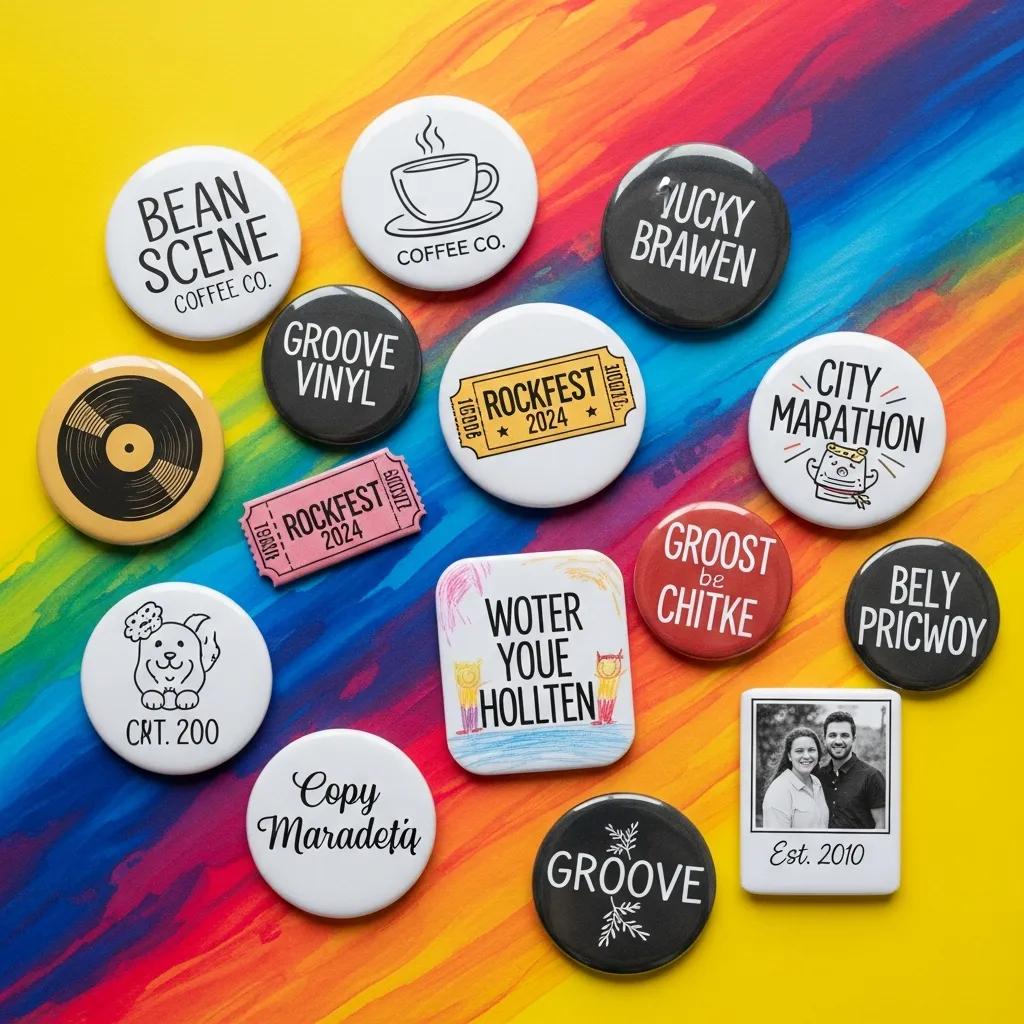
Personalized buttons are small-format custom badges that communicate identity, commemorate moments, and amplify branding for events and campaigns. This guide explains what personalized buttons are, how they differ by type, and why designers and event planners choose them for giveaways, fundraising, and personal keepsakes. Readers will learn step-by-step design preparation, artwork specifications, material and finish tradeoffs, and practical ordering tips for bulk or single-print projects. Many projects fail at print because of low-resolution artwork or poor contrast, so this article focuses on clear technical specs and layout rules that ensure readable, attractive custom pin buttons and personalized button-up shirts. Below you’ll find sections that define button types, walkthroughs for designing custom buttons, material and finish comparisons (with a comparison table), guidance for personalized button-up shirts, bulk-order planning (with volume tiers), and sustainable options for eco-conscious buyers; each section includes practical lists and EAV-style tables to support decisions.
What Are Personalized Buttons and Their Common Types?
Personalized buttons are small, wearable items made from a printed face, protective cover, and a fastening back that attach to clothing or surfaces, and they work by combining graphic design with durable hardware. These items function as promotional merchandise, memorial keepsakes, wearable art, and identification badges because they are inexpensive to produce, easy to distribute, and highly visible in social settings. Understanding the main types helps you choose the right format for your use case, whether you need a low-cost event giveaway, a photographic keepsake, or a wearable magnetic option for delicate fabrics. The next subsection defines the classic pin-back construction and explains why it remains the most common choice for mass events.
What Defines Custom Pin Buttons and Their Features?
Custom pin buttons are built from a metal or aluminum shell, printed artwork beneath a protective mylar cover, and a back plate with a pin-back fastener; this construction balances cost, durability, and print quality. The pin-back fastener secures easily to jackets, bags, and lanyards, making these buttons ideal for giveaways, campaign identification, and volunteer badges where ease of attachment matters. Typical sizes such as 1 inch and 2.25 inches determine how much information or imagery can be legibly displayed, while shell material affects bending resistance and long-term durability. Common tradeoffs include excellent cost-to-visibility for pin-backs versus the gentler attachment of magnetic options; this leads naturally into how photo buttons differ when the primary goal is preserving detailed imagery.
- Pros: Affordable, widely available, durable for short- to medium-term use.
- Cons: Pin can damage delicate fabrics and may be less secure during active events.
- Best uses: Fundraisers, rallies, volunteer IDs, event giveaways.
This summary sets up why photo-centric buttons use different sizing and image prep rules in the next subsection.
How Do Personalized Photo Buttons Capture Memories?
Photo buttons place a printed photograph under a clear protective layer so portraits, group shots, and memorial images appear crisp and protected from wear, and they work best when artwork preparation follows clear resolution and layout rules. High-quality photo buttons require artwork saved at sufficient DPI with the subject placed inside a safe area to avoid cropping; clear faces and high contrast between subject and background improve recognition from a distance. File types such as high-resolution PNG or JPEG exported in the correct color space preserve color fidelity during digital printing, while simple compositions with single focal points read better at small sizes than busy collages. These considerations lead directly into design workflow steps you can follow to produce print-ready files for custom photo buttons and other small-formatted badges.
How Can You Design Your Own Personalized Buttons Effectively?

Designing personalized buttons successfully begins with a clear purpose, correct size and shape choice, and artwork prepared to printing specifications so the final product reads well at wearable scale. Effective design reduces common production issues by following a set of preflight checks—correct color mode, minimum resolution, and defined safe zones—so your custom pin buttons and photo button pins for weddings reproduce predictably. Practical templates and a step checklist help streamline approvals and ensure consistent branding across multiple sizes or variations.
What follows is a practical step-by-step process you can use from concept to order.
- Define the purpose: Establish if the button is promotional, commemorative, or apparel-related to determine size and finish.
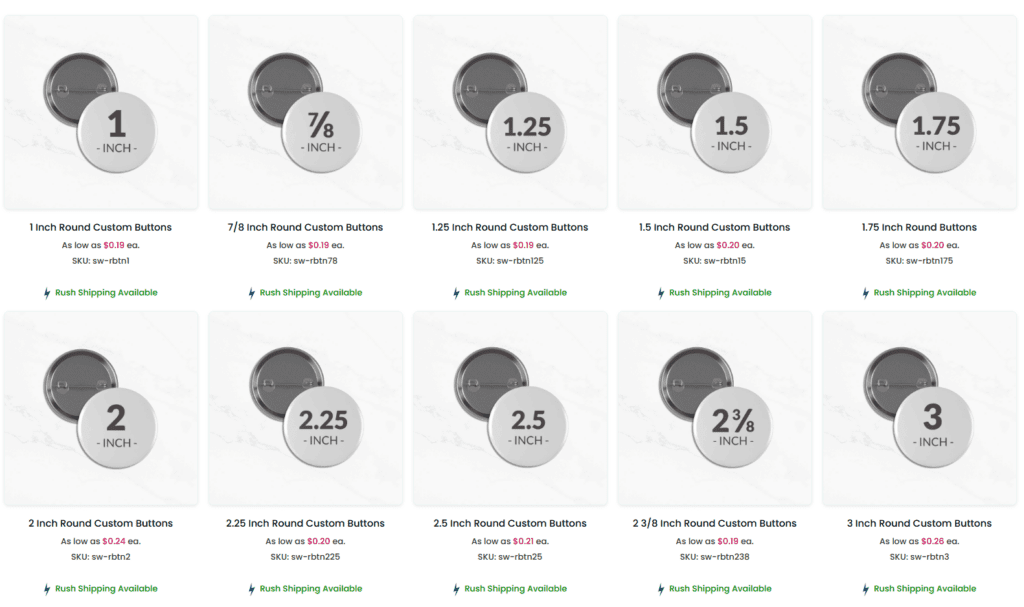
- Choose size and shape: Select a size (e.g., 1 inch, 2.25 inch, 3 inch) that fits the intended content and visibility requirements.
- Create artwork to spec: Design in high resolution, keep text large, and leave bleed and safe areas per printer guidelines.
- Export and check files: Save final artwork in the required format and color mode and review with proofing tools before ordering.
These ordered steps prepare you to make specific typographic and color choices, which are summarized in the design-spec table below for clarity.
| Design Element | Recommended Spec | Rationale |
|---|---|---|
| Image resolution | 300 DPI at final print size | Preserves sharpness for faces and logos on small-format buttons |
| Color mode | CMYK for print; RGB for digital proofs | CMYK reflects press output; proofs may be RGB but expect color shifts |
| Safe area | 0.125 in inward from edge | Prevents critical content from being cut off during finishing |
| Typography size | Minimum 10-12 pt for sans fonts at 2.25 in | Ensures legibility at wearable distances |
This table clarifies the technical rules you should follow, and the next subsection discusses which visual elements most improve small-format appeal.
What Are the Key Steps to Designing Custom Buttons?
Begin by defining the button’s purpose and intended audience, which determines size, content density, and the finish that will best represent the design; this initial decision shapes every downstream choice. Next, select an appropriate template that matches the chosen diameter and export artwork with the required bleed, safe area, and embedded color profile to avoid surprises in production. Proof images at 100% and, if possible, print a home test on paper to verify contrast and legibility; pay special attention to fonts and iconography that scale poorly at small sizes. Testing and iteration reduce costly reprints and make bulk ordering more predictable, which leads naturally into typographic and color choices that enhance appeal on tiny canvases.
Which Design Elements Enhance Button Appeal?
Typography, contrast, and simplified imagery are the core elements that make a design work at button scale, because buttons have limited space and must communicate quickly when worn. Use bold, geometric sans-serif fonts for short phrases, maintain strong foreground/background contrast to ensure readability from a few feet away, and favor single focal images—such as a clear portrait or logo—over cluttered compositions. Negative space is your ally on small formats: generous margins and limited text improve recognition and visual impact, while icons or initials can substitute for logos when space is constrained. These design principles apply whether you are creating promotional custom photo buttons or personalized button-up shirt accents, and they connect directly to material and finish choices discussed next.
What Materials, Sizes, and Finishes Are Available for Personalized Buttons?
Choosing materials, sizes, and finishes affects durability, cost, and the look of personalized buttons, so balancing these attributes with use-case recommendations produces the best outcome. Standard materials include steel or aluminum shells with a protective mylar cover for printed artwork, while alternative options like recycled metals or wood offer differentiated tactile and sustainability profiles. Size choices—ranging from small lapel-friendly 1-inch pins to large 3-inch keepsake buttons—determine how much visual information can be conveyed and influence which finish will best complement the design. The following table compares common materials across durability, cost, and recommended uses to help you pick the right combination for your project.
| Material | Durability | Best for |
|---|---|---|
| Steel/metal shell | High; resists bending | Mass giveaways, campaign events, long-term wear |
| Aluminum | Moderate; light and corrosion-resistant | Lightweight badges, indoor events |
| Recycled metal | Moderate; variable finish | Eco-friendly campaigns, green-branded giveaways |
| Wood or biodegradable substrate | Lower; unique tactile feel | Keepsakes, artisanal merch, limited runs |
This comparison highlights tradeoffs between longevity and sustainability, and the next subsection covers size, shape, and finish options that translate those material choices into visual results.
Which Materials Are Best for Durable and Eco-Friendly Buttons?
Durable metal shells, like steel, resist bending and protect artwork, making them ideal for high-traffic uses such as volunteer badges and trade show giveaways where longevity matters. Recycled metals and recycled-paper inserts reduce environmental impact but may have more variability in finish and slightly different durability characteristics, which is why event planners often weigh lifecycle needs against sustainability goals. Wood and biodegradable substrates offer a distinct look for artisanal merch and wedding favors but typically require careful handling and are best used for keepsakes rather than active wear. Deciding between durability and eco-friendliness depends on whether the button’s primary role is short-term promotion or a long-term keepsake, which influences size and finish choices discussed next.
What Sizes, Shapes, and Finishes Can You Choose From?
Standard sizes include 1 inch (lapel-friendly), 1.5–2.25 inches (common giveaway sizes), and 3 inches (keepsake or feature pieces), and each size dictates how much text and imagery will reproduce legibly at wearable distance. Shapes are most often round, but square, oval, and rectangular options exist for specific branding needs; non-round shapes can make a design stand out but may cost more and require precise artwork alignment. Finish choices—gloss, matte, or metallic—affect color saturation and glare: gloss maximizes color vibrancy, matte reduces reflections for photography-heavy designs, and metallic finishes emphasize premium aesthetics. When a project requires specific tactile or eco attributes, combine material and finish choices to meet the desired visual and lifecycle outcomes.
How Are Personalized Button-Up Shirts Customized and Used?
Personalized button-up shirts add a professional and wearable canvas for logos, embroidered names, or printed accents, and choices about method and placement determine both appearance and longevity. Customization methods such as embroidery, direct-to-garment printing, patches, and heat-transfer vinyl each have tradeoffs in cost, visual detail, and durability, making method selection dependent on fabric type and intended wear. Placement—left chest pocket, sleeve, or full back—should account for garment construction and viewer distance so the branding reads as intended when worn in meetings or at events. The next subsection compares common personalization methods so you can select the right approach for uniform programs, branded merch, or gift shirts.
What Design Options Exist for Custom Button-Up Shirts?
Embroidery provides a tactile, durable finish and is ideal for logos and monograms where a premium look is desired, though fine photographic detail is not feasible with thread. Direct-to-garment printing reproduces photographic images and complex color blends directly onto fabric, making it suited for photo-quality designs and small runs, while screen printing offers cost-effective, vibrant results for larger batches of simple designs. Patches and appliqués offer a middle ground with durability and visual depth, and heat-transfer methods can be useful for low-cost or on-demand personalization. Choosing among these methods depends on visual goals, budget, and expected wear patterns, which links into how fabric choices affect print and embroidery performance discussed in the following subsection.
How Do Fabric Choices and Sizing Affect Personalized Shirts?
Fabric weight, weave, and fiber content influence how well prints and embroidery adhere and how the final design appears after washing, with cotton blends often providing a stable, smooth surface for both printing and stitching. Lightweight fabrics may show through printing or not support dense embroidery, so selecting fabrics with sufficient body—such as midweight cotton or cotton-poly blends—improves visual outcomes and reduces distortion. For bulk uniform orders, maintain consistent sizing and shrinkage allowances across the production run to ensure logos sit at the same visual height on every shirt, and specify pre-shrunk or pre-washed garments to minimize post-production fit variations. Proper fabric selection and sizing protocols lead naturally into considerations for planning bulk button and shirt orders, which are crucial for events and branding efforts.
Why Choose Bulk Personalized Buttons for Events and Branding?
Bulk personalized buttons offer cost efficiencies, consistent branding, and logistical simplicity for events, campaigns, and merchandise programs, and ordering in larger quantities often reduces per-unit production and handling costs. For event planners and fundraisers, bulk ordering ensures visual consistency across volunteers and attendees while enabling rapid fulfillment when deadlines are tight; many providers also offer volume discounts, priority turnaround, and packing options that simplify distribution. Planning quantities carefully based on expected attendance and contingency allowances reduces waste and last-minute rush fees, and understanding typical volume tiers helps you balance price against lead time. The table below illustrates common order-size categories, per-unit cost implications, and typical turnaround characteristics so you can plan quantities for trade shows, fundraisers, and campaign distribution.
| Order Size | Price per Unit | Typical Turnaround |
|---|---|---|
| Small run (25–99) | Higher per-unit cost | Short to moderate lead times |
| Medium run (100–499) | Lower per-unit cost | Standard lead times |
| Large run (500+) | Lowest per-unit cost | Longer production windows but better efficiency |
| Very large/Custom (1000+) | Best per-unit economies | Requires planning; extended lead times |
This table highlights how increased volumes reduce per-unit costs while affecting turnaround, and the next subsection lists bulk-order benefits that event planners should weigh when preparing a campaign.
What Are the Benefits of Bulk Orders and Volume Discounts?
Ordering in bulk reduces per-unit cost through production efficiencies and often includes additional services such as branded packaging, sorting by distribution group, or staged delivery, which simplify event logistics and save time. Volume discounts improve margins for fundraising sales and allow organizations to allocate budget to higher-quality materials or premium finishes while keeping per-item pricing attractive to donors or attendees. Bulk planning also supports coordinated branding across events and minimizes variability that can occur when pieces are printed in separate small batches or at different times. Understanding these benefits helps you decide whether to allocate budget for premium finishes or prioritize quantity for maximum reach at an event.
For event-driven projects, consider ordering a small buffer (typically 10–20% over estimated attendance) to accommodate last-minute needs; this helps avoid rushed reorders and ensures consistent branding at the event.
How Can Custom Buttons Boost Marketing and Fundraising Efforts?
Custom buttons function as low-cost promotional items that increase brand visibility, create shareable momentos, and encourage donor participation when sold as merchandise or included as a thank-you item for contributions. Strategically placed giveaways and donation-linked sales can raise funds while spreading awareness, and tailored messaging on buttons encourages social sharing and conversation that extends campaign reach beyond the event itself. Measuring distribution channels—table giveaways, registration kits, or direct sales—lets organizers gauge engagement and optimize future runs for color, size, or message variants that perform best. These practical distribution and merchandising strategies naturally lead into sustainability considerations when eco-friendly materials are a priority for your brand or audience.
What Are the Eco-Friendly Options for Sustainable Personalized Buttons?

Sustainable personalized buttons use recycled inputs, biodegradable components, and lower-energy manufacturing approaches to reduce environmental footprint while still delivering a functional and attractive product. Choices such as recycled metal shells, FSC-certified paper inserts, and biodegradable backings decrease lifecycle impacts, and responsible providers may offer information about material sourcing and end-of-life considerations. While eco-options sometimes change finish characteristics or raise per-unit costs, they appeal to audiences that prioritize sustainability and can enhance a campaign’s authenticity when communicated transparently. The following list outlines common eco-friendly options to consider when planning green merchandise or event giveaways.
- Recycled metal shells: Use reclaimed steel or aluminum to reduce virgin material use and maintain metal durability.
- FSC-certified paper inserts: Ensure paper components are sourced from responsibly managed forests.
- Biodegradable or compostable backs: Reduce long-term waste for short-term promotional items.
These options offer tradeoffs between durability and sustainability, and the next subsection compares recycled materials and typical use cases.
Which Recycled Materials Are Used in Eco-Friendly Buttons?
Recycled metal shells often come from post-industrial aluminum or steel streams and provide a durable base for printed artwork while lowering raw material extraction impacts, making them suitable for mid-term giveaways and branded merch. Recycled-paper inserts and FSC-certified options reduce forest pressure and are appropriate for event materials where the visual appearance of paper complements the design; however, paper inserts may require protective coatings that affect recyclability. Biodegradable backing materials and alternative substrates such as bamboo-derived fibers can improve end-of-life outcomes but may not yet match metal’s durability, so they are often best for keepsakes meant for limited wear. Evaluating these material properties against your campaign’s sustainability goals will help you choose the most appropriate option.
How Do Sustainable Manufacturing Processes Impact Button Quality?
Sustainable manufacturing—such as using recycled inputs, water-based inks, and energy-efficient presses—can lower environmental impact but may introduce subtle differences in finish, color saturation, or texture that are worthwhile to anticipate. Some eco-friendly coatings reduce gloss or alter color vibrancy, which affects visual choices like contrast and background selection; planning artwork with these finish characteristics in mind prevents surprises at production. When long-term durability is essential, balance eco-options with material performance requirements; for short-term promotions and green-branded events, prioritizing recycled materials often provides a credible sustainability benefit without compromising the intended message. With these tradeoffs understood, you can make choices that align with both environmental objectives and design expectations.
This article has covered types, design workflow, material and finish tradeoffs, personalization for apparel, bulk-order planning, and sustainable options so you can design and order personalized buttons that perform for weddings, campaigns, merch, and everyday branding.