Compare custom silicone and Tyvek wristbands to find the perfect match for your event. Learn about their benefits, durability, and design options here!
Custom Silicone vs. Tyvek Wristbands: Which Suits You Best?
Silicone vs. Tyvek Wristbands — Which One’s Right for Your Event?
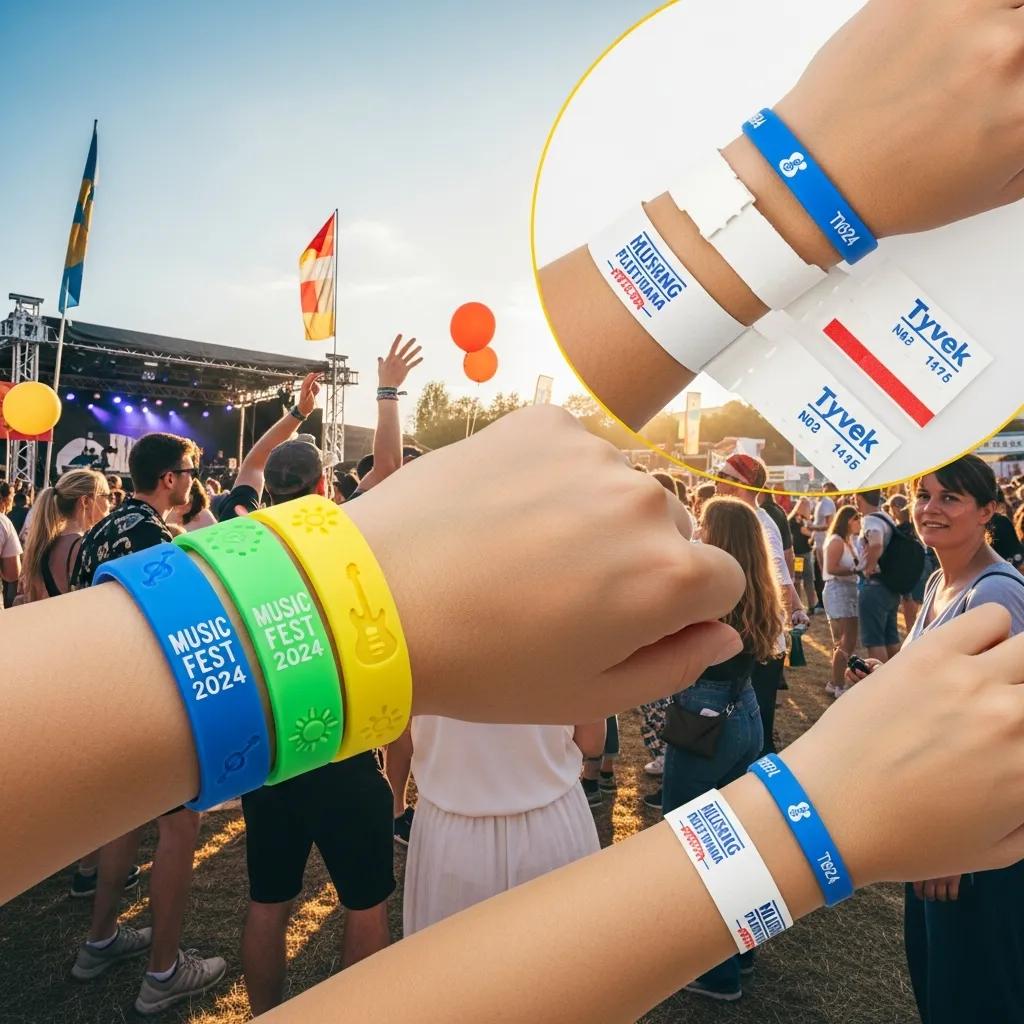
Choosing the right wristband affects both logistics and guest experience. This guide breaks down silicone and Tyvek wristbands so you can see the practical differences, the best use cases, and how each choice aligns with your budget, security needs, and brand. Silicone stands out for durability and customization; Tyvek shines for affordability and tamper-evident access. Read on for clear, actionable guidance to help you choose the best band for your event.
What Are Silicone Wristbands — Key Benefits at a Glance
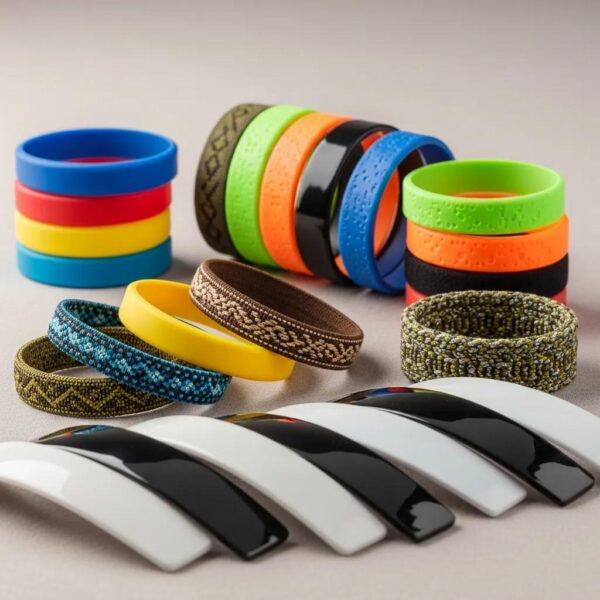
Silicone wristbands are made from flexible silicone rubber and are a go-to for events, fundraisers, and promotions. Their material makes them durable and comfortable, and they accept a wide range of designs and colors. Because they can carry logos, messages, or intricate artwork, silicone bands are especially useful when you want a practical accessory that also reinforces your brand.
How silicone delivers durability and all-day comfort
Silicone resists tearing and cracking, so bands stay intact through long events or repeated use. Unlike paper or thin plastic, silicone holds up to wear and physical activity while staying soft and flexible against the skin. That combination of toughness and comfort makes silicone ideal when attendees will be active or on the move.
Customization options for silicone wristbands
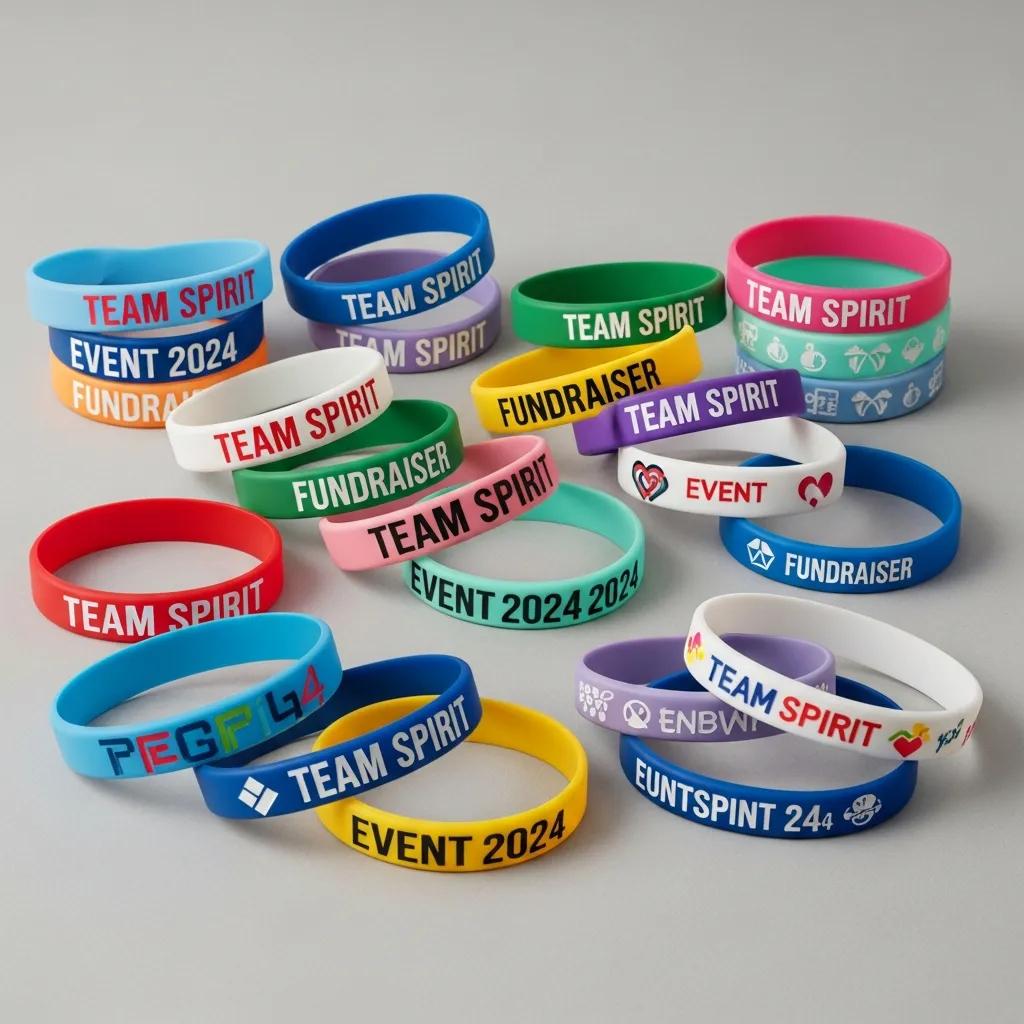
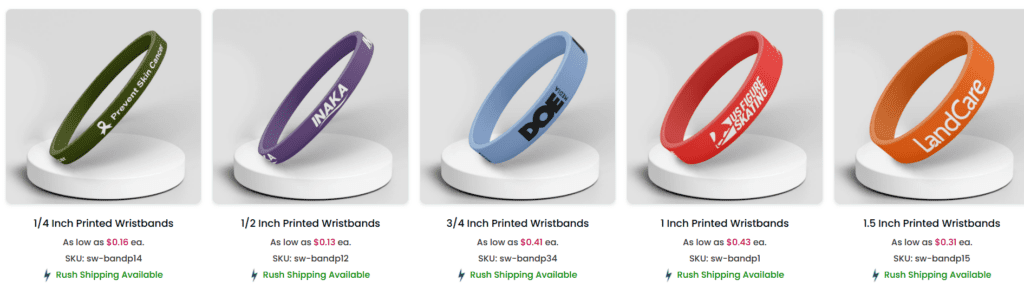
Silicone bands come in many colors and sizes and can be produced with debossing (etched designs), screen printing for vivid multi-color artwork, embossed details, or full-color wraps. Those options let you match event themes or brand colors and create a keepsake guests are likely to wear long after the event.
What Are Tyvek Wristbands — Primary Features
Tyvek wristbands are made from a high-density polyethylene fiber that’s lightweight yet strong. They’re popular for large events because they’re affordable, easy to distribute, and designed to show if someone tries to remove and reuse them. That tamper-evident quality makes Tyvek a reliable choice where access control matters.
Why Tyvek resists tears and holds up in wet conditions
Tyvek is engineered to resist tearing, so wristbands remain legible and intact through active use. The material is also water-resistant, so it keeps printing and security features readable even in rain or humid environments. These properties make Tyvek a practical option for outdoor events or water-adjacent activities.
Security features — tamper evidence, serial numbers, barcodes
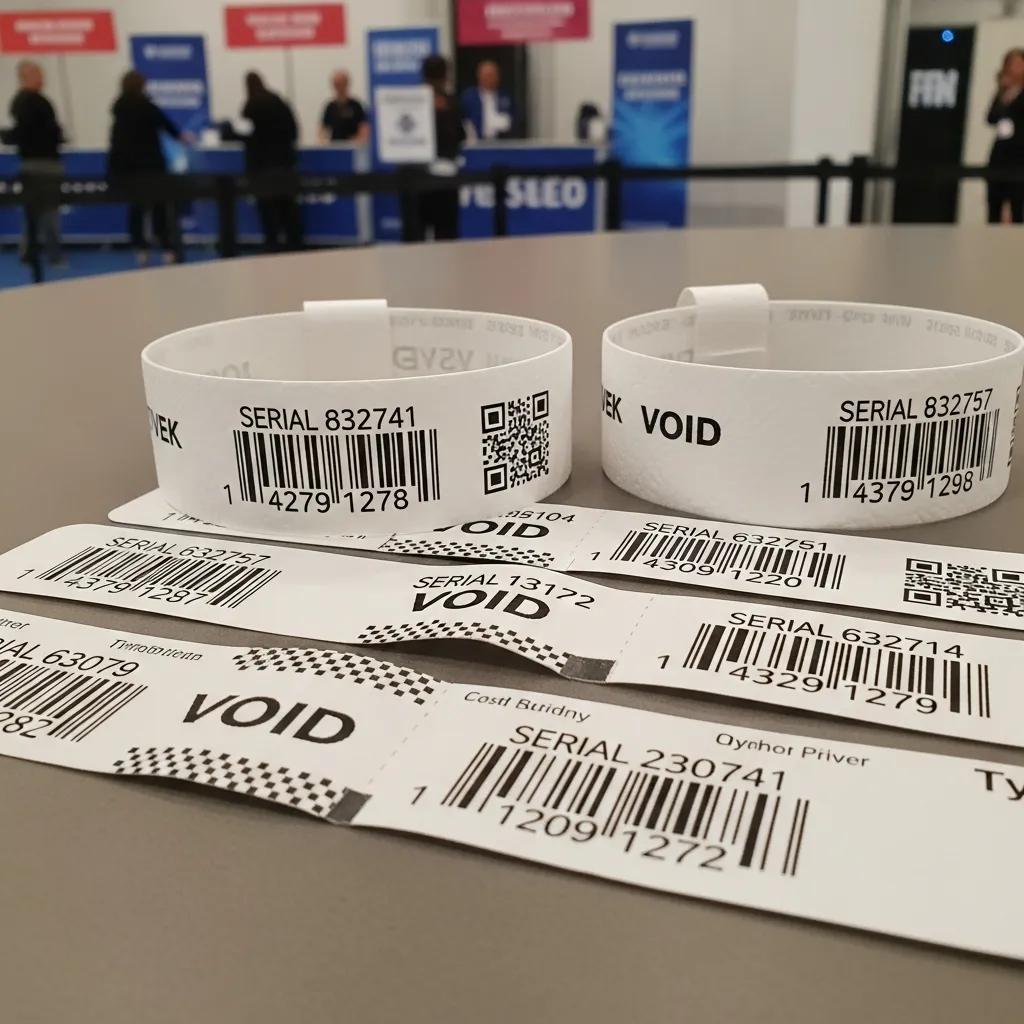
Tyvek bands are built to show clear signs if removed, deterring reuse. Many styles can include unique serial numbers, barcodes, or custom printing to help you track entries, manage crowd flow, and confirm valid access at checkpoints. Those features make Tyvek useful for high-attendance events that need straightforward crowd control.
How silicone and Tyvek compare at a glance
Comparing silicone and Tyvek comes down to durability, cost, and environmental trade-offs. Below is a quick look at the main differences to help match the band to your event priorities.
Which offers better durability and reusability?
Silicone clearly wins on durability and reusability — it holds up to repeat wear and keeps looking good over time, which can be economical for recurring events. Tyvek is meant for one-time use; it’s sturdy for a single event but not designed for repeated wear, so it generates more waste if reused improperly.
How cost and environmental impact differ between the two
Tyvek is usually the cheaper option per unit, making it the practical pick for very large crowds or single-day events. Silicone costs more up front but can reduce waste and replacement purchases because it’s reusable. Consider both immediate budget and the long-term environmental effect when deciding.
Best use cases for silicone wristbands
Silicone bands are versatile and work well when you want something durable, wearable, and brand-forward. They’re favored when you want the wristband to serve as both an access tool and a lasting memento.
Which events suit silicone wristbands?
Silicone is a strong fit for charity runs, music festivals, corporate events, and any gathering where brand visibility and longevity matter. They’re also useful for multi-day events where attendees will appreciate a comfortable, durable band.
How silicone wristbands work as keepsakes and marketing tools
Because silicone bands are durable and attractive, attendees often keep and wear them after the event — which extends your brand exposure. Custom logos, slogans, and color schemes turn wristbands into small, wearable promotions that keep working long after the event ends.
Best use cases for Tyvek wristbands
Tyvek bands are best when speed, cost, and access control are your priorities. They’re efficient to print, distribute, and apply, making them a go-to for large-scale events with tight budgets.
Which events are ideal for Tyvek wristbands?
Concerts, fairs, amusement parks, and large festivals commonly use Tyvek due to its low cost and tamper-evident nature. Its light weight and low price make it straightforward to hand out at busy entrances or ticketing lines.
How Tyvek wristbands enhance event security and crowd management
Tyvek simplifies entry control: its tamper-evident design prevents reuse, while barcodes or serial numbers let you track attendance and streamline scanning. Those features support faster check-ins and clearer monitoring of who’s on-site.
How to choose the right wristband for your event
Pick a wristband by balancing budget, event length, and what you need it to do — brand visibility, security, or both. Thinking through those priorities will point you to the best option.
Key factors to consider
Ask yourself: How long will the wristband be worn? Do you need tamper-evidence or trackable IDs? Is the band part of your marketing or just a ticketing tool? Silicone is great for branding and repeat use; Tyvek is cost-efficient for single-day access control.
Could an interactive quiz simplify the choice?
An interactive quiz that asks about crowd size, event duration, and security needs can quickly recommend the right wristband type. It’s a useful way to narrow options and get a tailored suggestion without wading through product specs.
Frequently Asked Questions
What are the environmental considerations when choosing between silicone and Tyvek wristbands?
Consider reuse versus single-use. Silicone is reusable, which can lower long-term waste, but it’s made from synthetic materials that aren’t biodegradable. Tyvek is single-use but can be recyclable in some programs; however, it still creates disposable waste. Match your choice to your event’s sustainability goals and disposal options.
How do the comfort levels of silicone and Tyvek wristbands compare?
Silicone is generally softer and more comfortable for extended wear because it flexes and conforms to the wrist. Tyvek is lightweight but can feel stiffer or slightly abrasive for long durations. If attendee comfort matters — especially for multi-day events — silicone is usually the better choice.
Can silicone wristbands be used for access control like Tyvek wristbands?
You can use silicone for access control, but it lacks the built-in tamper-evident features of Tyvek. Silicone is better suited for branding or multi-use passes, while Tyvek is specifically designed to prevent removal and reuse in high-turnover access scenarios.
What is the typical lead time for ordering silicone and Tyvek wristbands?
Lead times vary by supplier and customization. Silicone bands often take longer because of custom molds, colors, or printing — anywhere from several days to a few weeks. Tyvek is quicker to produce and often ships within a few days, making it a reliable option when you need wristbands fast.
Are there any health concerns associated with wearing silicone or Tyvek wristbands?
Both are safe for most people. Silicone is typically hypoallergenic and gentle on skin. Tyvek is generally safe but can cause irritation for a small number of people with very sensitive skin. It’s a good idea to offer an alternative if you expect attendees with sensitivities.
How can I ensure the quality of the wristbands I order?
Order from a reputable supplier, read reviews, and request samples before placing a large order. Testing samples lets you check material feel, printing quality, and fit. Discuss fabrication details and turnaround with your vendor so the final product meets your expectations.
Conclusion
The right wristband improves both attendee experience and event operations. Choose silicone for durability, comfort, and branding impact; choose Tyvek for low cost, fast delivery, and reliable tamper-evident access control. We offer a range of options to suit every event — explore our selection to find the best fit for your next gathering.